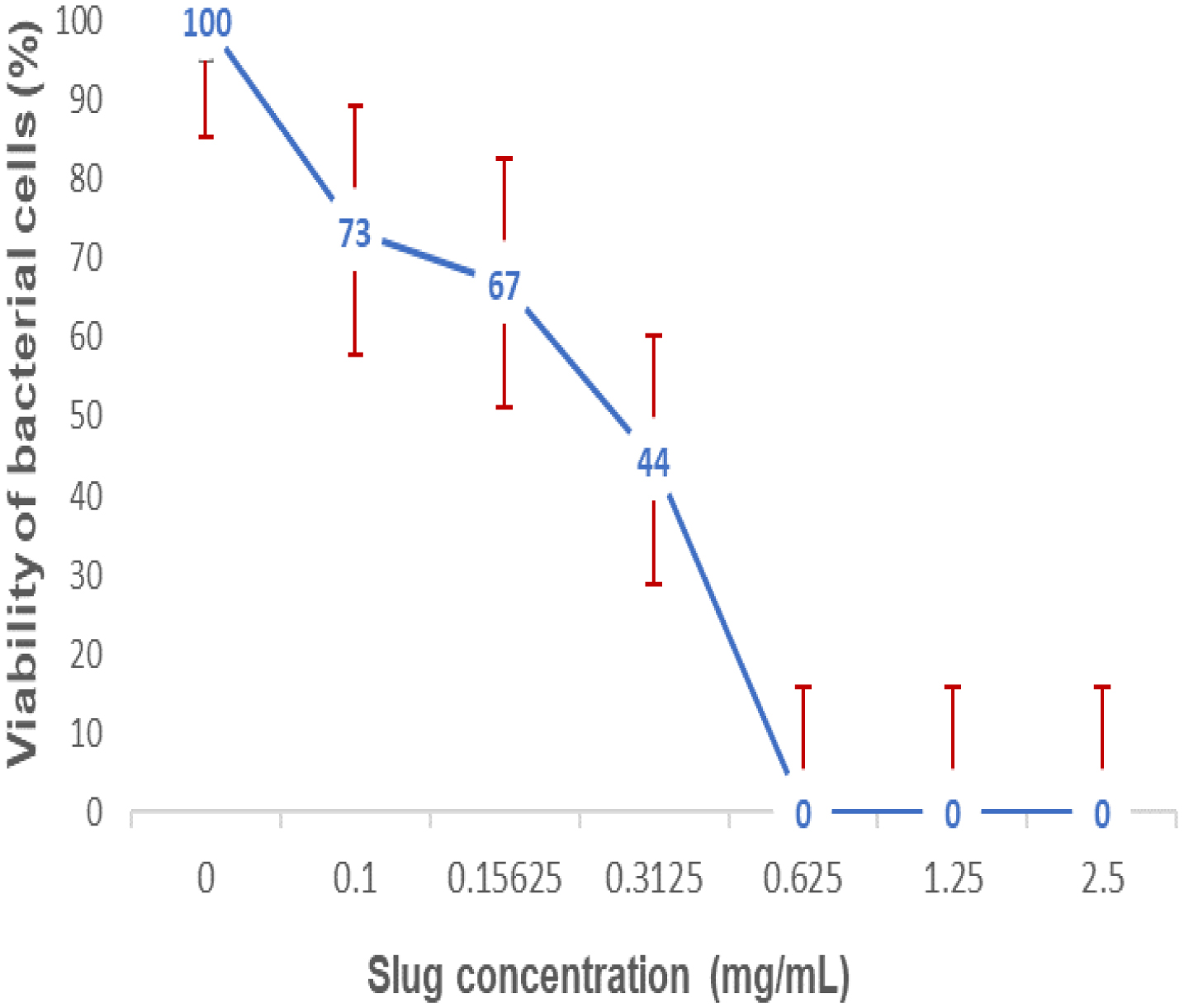
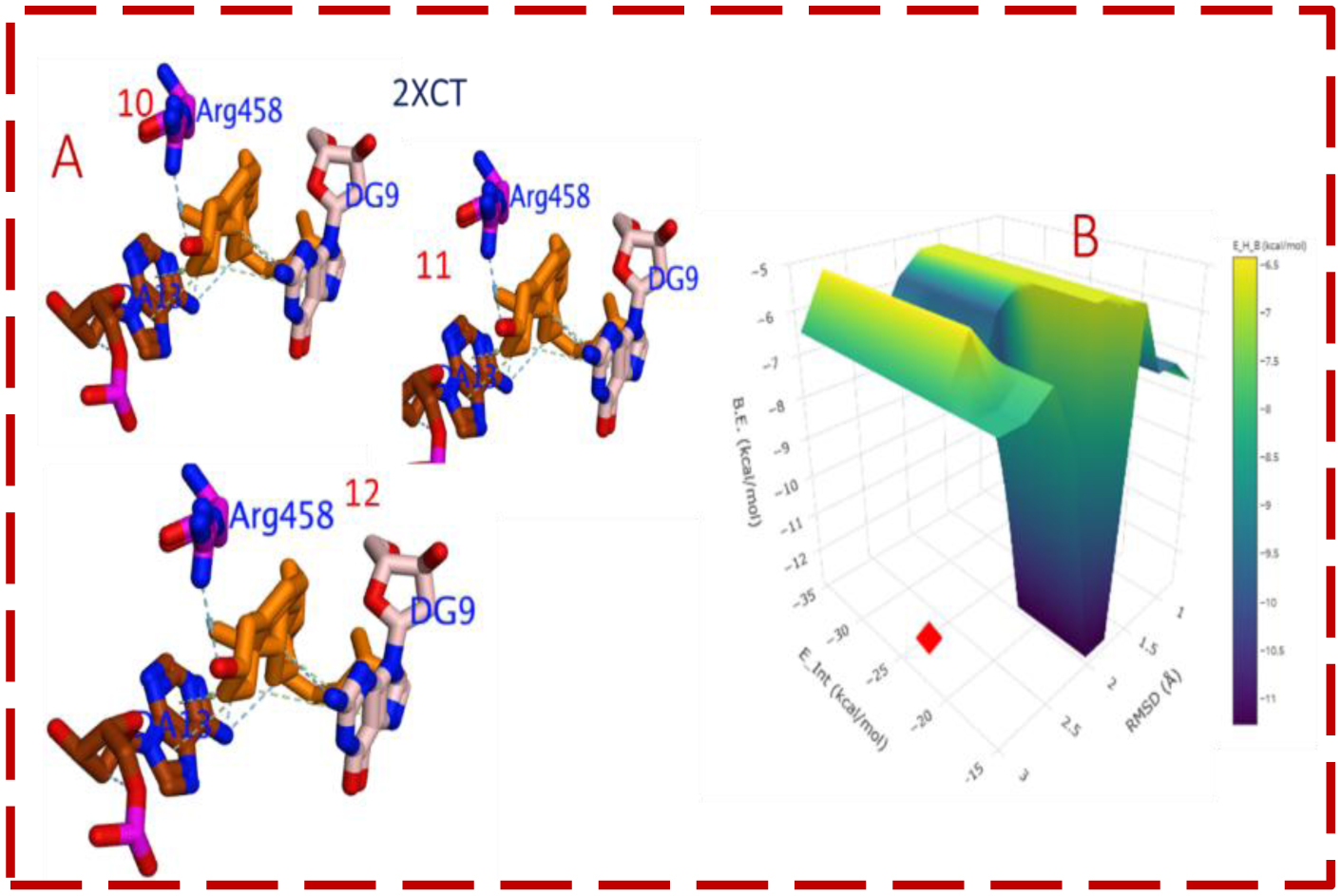
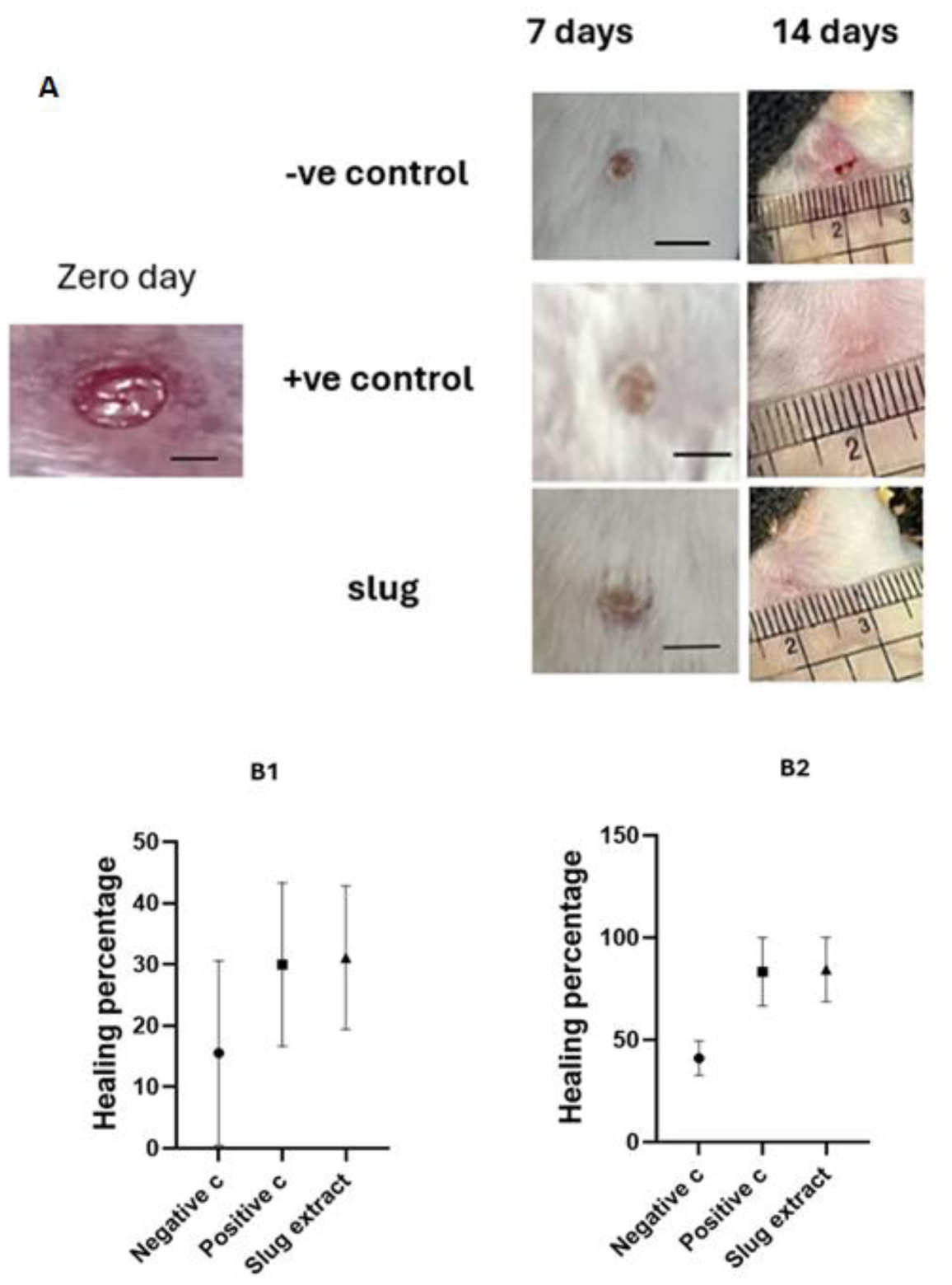
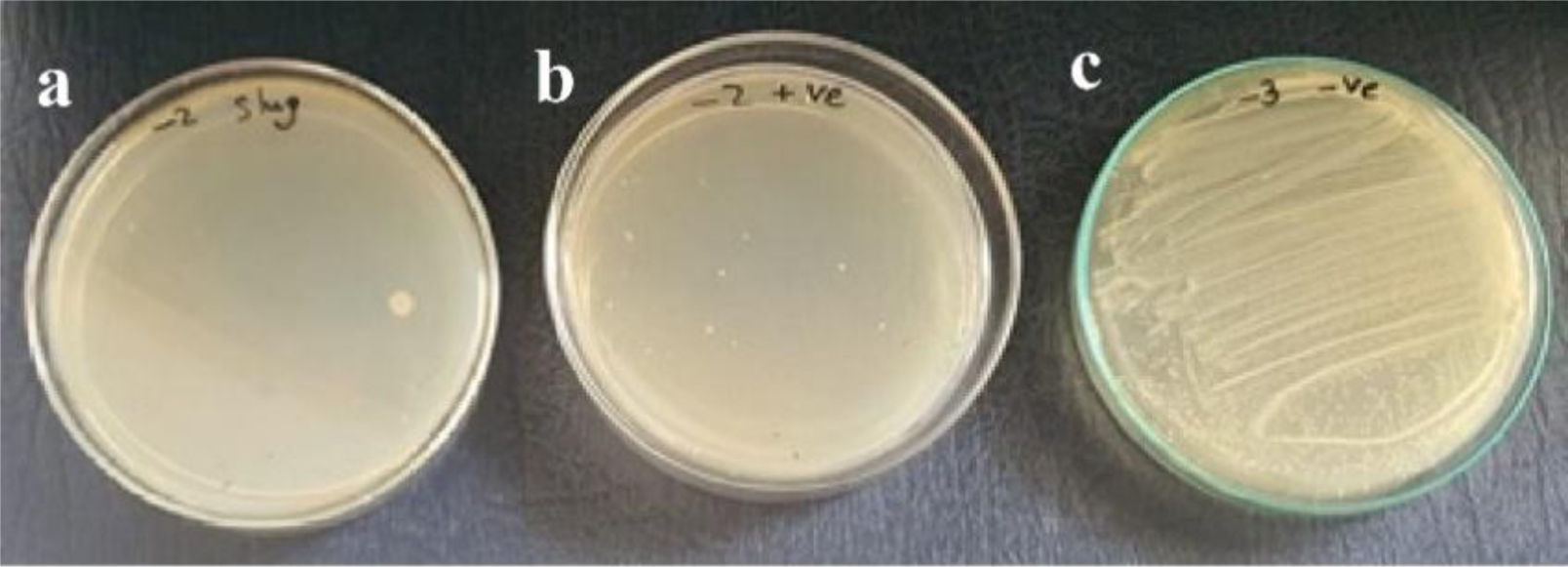
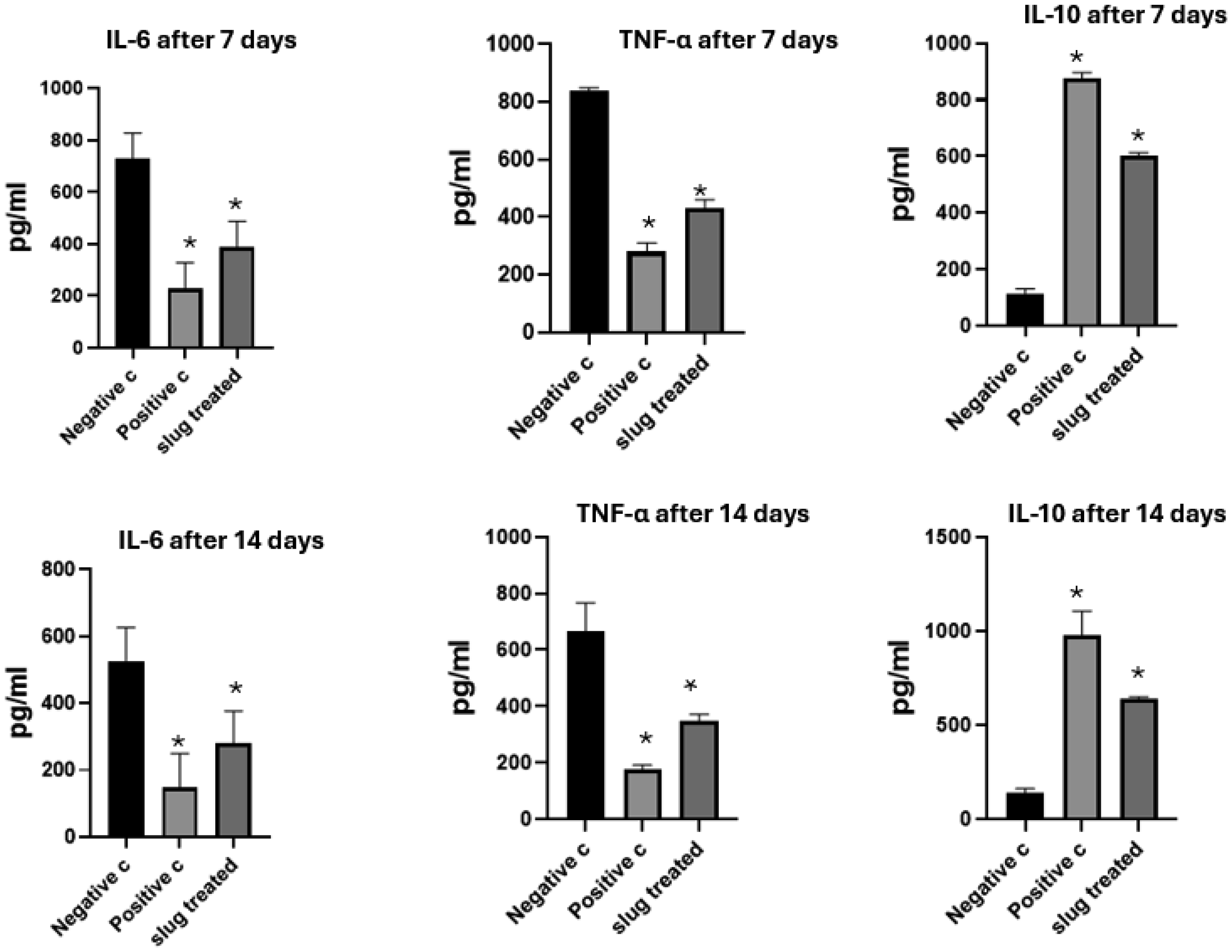
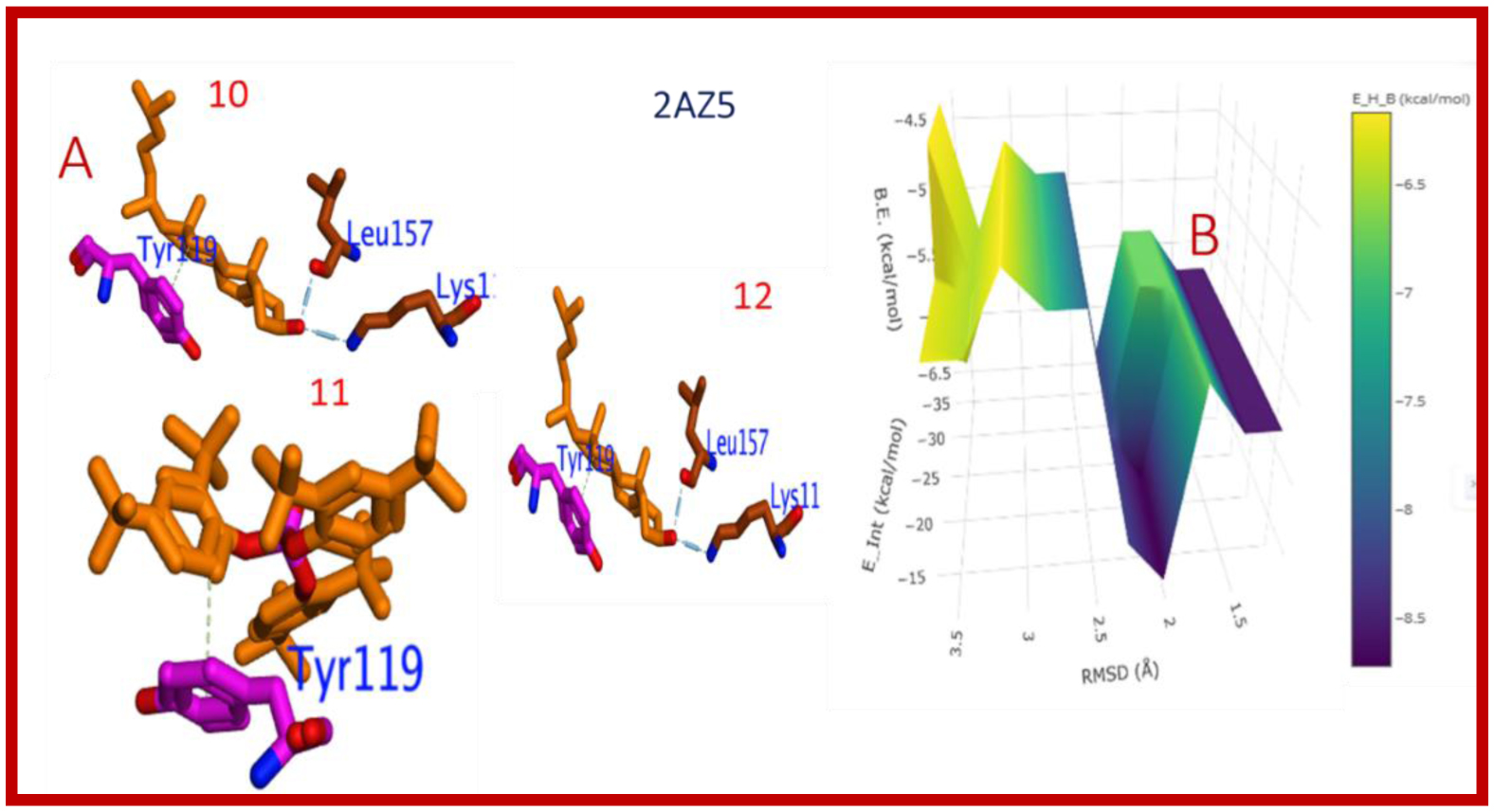
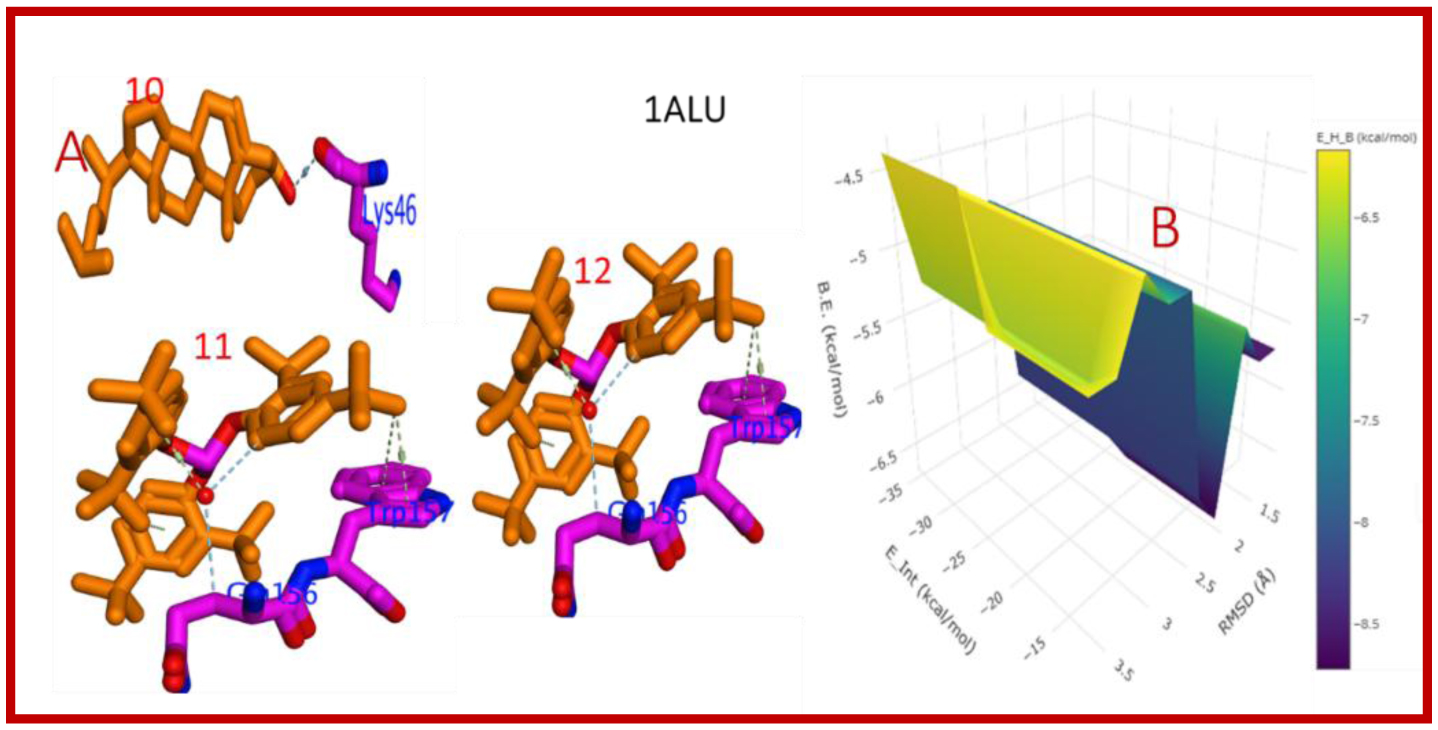
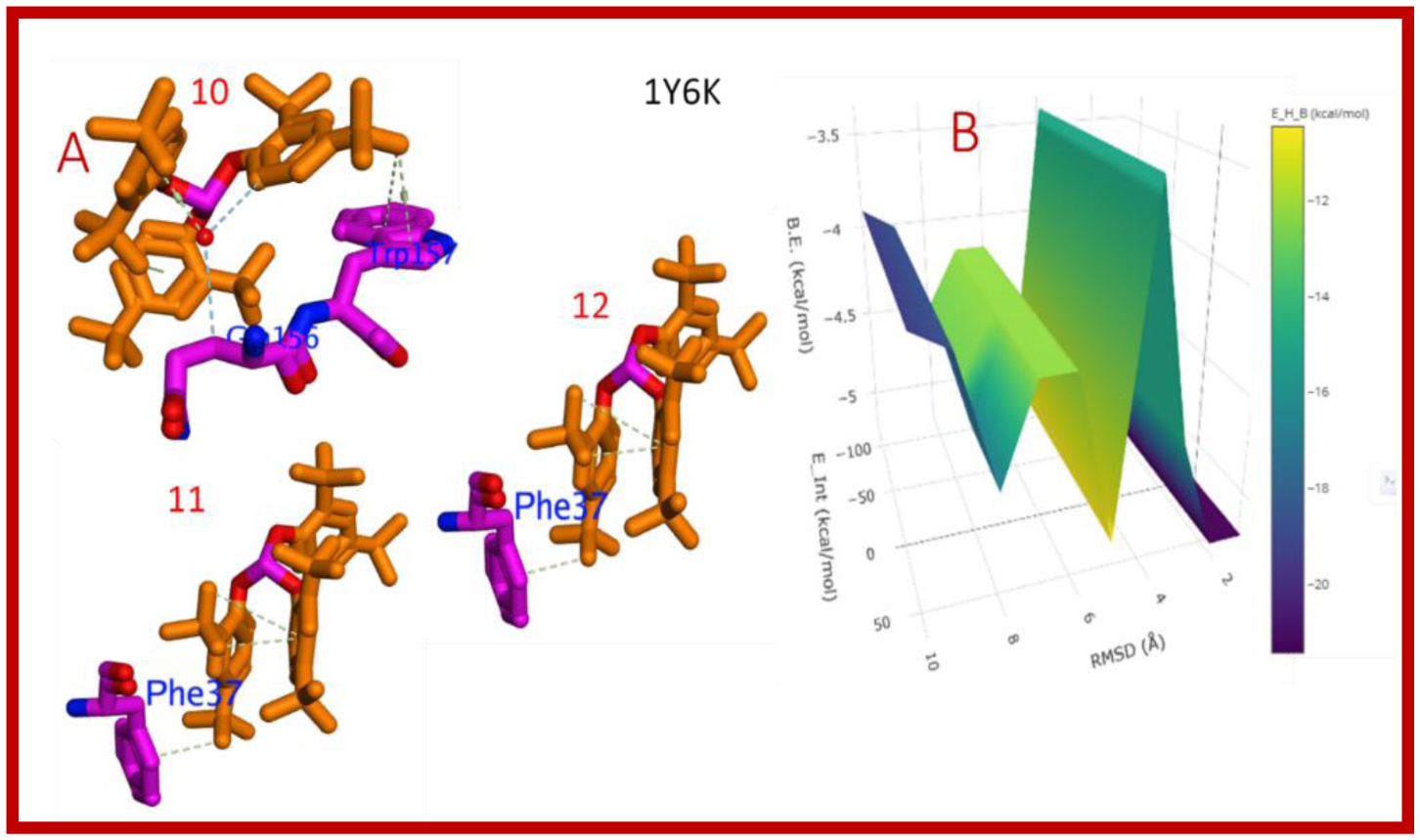
Wound infections, particularly those caused by bacteria such as Staphylococcus aureus, present a significant challenge to effective healing, often leading to chronic inflammation and tissue damage. Finding naturally active new substances and applying them as wound healing agents to decrease bacterial infection and accelerate wound healing is among the most significant areas of research. This study explored the therapeutic potential of a chloroform extract from the terrestrial slug Laevicaulis alte as a multifunctional agent for wound care. The investigation integrated chemical profiling by gas chromatography-mass spectrometry (GC-MS), in vitro antibacterial evaluation, an in vivo excisional wound healing model, and in silico molecular docking to elucidate its mechanisms of action. Thirty healthy male Swiss albino mice were randomly allocated to three groups (n = 10/group): Negative control, positive control treated with gentamicin, and L. alte-extract-treated animals. The extract-treated group received 20 µL of L. alte extract (625 µg/mL) topically, once daily, for 14 days. GC–MS analysis identified 12 compounds, with tris(2,4-di-tert-butylphenyl) phosphate (TDTBPP) and cholesterol being the most abundant detected constituents. The extract exhibited antibacterial activity against S. aureus ATCC 6538, with a minimum inhibitory concentration (MIC) of 0.625 mg/mL. In the infected wound model, topical treatment was associated with accelerated wound closure, reaching 84.4% after 14 days compared with 41.1% in the negative-control group, together with a reduction in wound bacterial burden. Treatment was also associated with reduced levels of the pro-inflammatory cytokines IL-6 and TNF-α and increased IL-10 levels compared with the negative control. Molecular docking predicted favorable interactions between several identified compounds and bacterial DNA gyrase and selected cytokine targets; however, these computational findings require experimental validation. Overall, the findings support the potential of L. alte extract as a candidate source of antibacterial and wound-healing activity, while further studies are required to establish the contribution and mechanisms of individual constituents.
Citation: Mostafa Yahia Morad, Heba El-Sayed, Ahmed A. Elhenawy, Hana Sonbol, Olfat Hammam, Asmaa F. Abdelmonem, Amina Ibrahim, Marwa A. Hamada. Wound-healing, antibacterial, and immunomodulatory effects of Laevicaulis alte slug extract: An Integrated in vitro, in vivo, and in silico study[J]. AIMS Microbiology, 2026, 12(4): 902-933. doi: 10.3934/microbiol.2026038
Wound infections, particularly those caused by bacteria such as Staphylococcus aureus, present a significant challenge to effective healing, often leading to chronic inflammation and tissue damage. Finding naturally active new substances and applying them as wound healing agents to decrease bacterial infection and accelerate wound healing is among the most significant areas of research. This study explored the therapeutic potential of a chloroform extract from the terrestrial slug Laevicaulis alte as a multifunctional agent for wound care. The investigation integrated chemical profiling by gas chromatography-mass spectrometry (GC-MS), in vitro antibacterial evaluation, an in vivo excisional wound healing model, and in silico molecular docking to elucidate its mechanisms of action. Thirty healthy male Swiss albino mice were randomly allocated to three groups (n = 10/group): Negative control, positive control treated with gentamicin, and L. alte-extract-treated animals. The extract-treated group received 20 µL of L. alte extract (625 µg/mL) topically, once daily, for 14 days. GC–MS analysis identified 12 compounds, with tris(2,4-di-tert-butylphenyl) phosphate (TDTBPP) and cholesterol being the most abundant detected constituents. The extract exhibited antibacterial activity against S. aureus ATCC 6538, with a minimum inhibitory concentration (MIC) of 0.625 mg/mL. In the infected wound model, topical treatment was associated with accelerated wound closure, reaching 84.4% after 14 days compared with 41.1% in the negative-control group, together with a reduction in wound bacterial burden. Treatment was also associated with reduced levels of the pro-inflammatory cytokines IL-6 and TNF-α and increased IL-10 levels compared with the negative control. Molecular docking predicted favorable interactions between several identified compounds and bacterial DNA gyrase and selected cytokine targets; however, these computational findings require experimental validation. Overall, the findings support the potential of L. alte extract as a candidate source of antibacterial and wound-healing activity, while further studies are required to establish the contribution and mechanisms of individual constituents.

We would like to than Princess Nourah bint Abdulrahman University, Riyadh, Saudi Arabia, for supporting tis research. This research was funded by Princess Nourah bint Abdulrahman University Researchers Supporting Project number (PNURSP2026R83), Princess Nourah bint Abdulrahman University, Riyadh, Saudi Arabia.
Care and ethical use of experimental animals, which were approved by Helwan university's Animal Ethics Committee and assigned the study ethics number [HU-IACUC/Z/MY3107-31]. This study was done in accordance with ARRIVE guidelines (
This study didn't include any human participants, and all methods were done on mice.
The datasets used and/or analyzed during the current study are available from the corresponding author on reasonable request.
The authors declare that there are no competing interests associated with the manuscript.
Mostafa Morad: Conceptualization, Methodology, Writing—original draft, Investigation, Data curation, Formal analysis, Writing—review & editing. Heba Elsayed: Conceptualization, Methodology, Writing—original draft, Investigation, Data curation, Formal analysis, Writing—review & editing. Ahmed El Hennawy: Conceptualization, Methodology, Writing—original draft, Investigation, Data curation, Formal analysis, Writing—review & editing. Hana Sonbol: Resources, Project administration, Writing—original draft. Olfat Hammam: Conceptualization, Methodology, Writing—original draft, Investigation, Data curation, Formal analysis, Writing—review & editing. Asmaa Abdelmonem: Conceptualization, Methodology, Writing—original draft, Investigation, Data curation, Formal analysis, Writing—review & editing. Amina Ibrahim: Conceptualization, Methodology, Writing—original draft, Investigation, Data curation, Formal analysis, writing—review & editing. Marwa A. Hamada: Conceptualization, Methodology, Writing—original draft, Investigation, Data curation, Formal analysis, Writing—review & editing. All authors have read and agreed to the published version of the manuscript.
| [1] | Sounouvou HT, Toukourou H, Catteau L, et al. (2021) Antimicrobial potentials of essential oils extracted from West African aromatic plants on common skin infections. Sci Afr 11: e00706. https://doi.org/10.1016/j.sciaf.2021.e00706 |
| [2] |
Abdo JM, Sopko NA, Milner SM (2020) The applied anatomy of human skin: A model for regeneration. Wound Med 28: 100179. https://doi.org/10.1016/j.wndm.2020.100179 
|
| [3] |
Canchy L, Kerob D, Demessant AL, et al. (2023) Wound healing and microbiome, an unexpected relationship. J Eur Acad Dermatology Venereol 37: 7-15. https://doi.org/10.1111/jdv.18854
|
| [4] | Agyei MK, Sakyi SA, Annan JJ, et al. Dermatologic diseases in Africa: The profile of patients attending a tertiary hospital in the Ashanti Region of Ghana (2024). https://doi.org/10.21203/rs.3.rs-5296285/v1 |
| [5] |
Wilkinson HN, Hardman MJ (2020) Wound healing: Cellular mechanisms and pathological outcomes. Open Biol 10: 200223. https://doi.org/10.1098/rsob.200223
|
| [6] |
Raziyeva K, Kim Y, Zharkinbekov Z, et al. (2021) Immunology of acute and chronic wound healing. Biomolecules 11: 700. https://doi.org/10.3390/biom11050700
|
| [7] |
Gupta NK, Paul P, Barman H, et al. (2023) The marsh slug, Deroceras laeve in Darjeeling Himalayas, India: First record and modelling of suitable habitats. Acta Ecol Sin 43: 432-438. https://doi.org/10.1016/j.chnaes.2022.07.003
|
| [8] | Kumar P (2020) A review—on molluscs as an agricultural pest and their control. Int J Food Sci Agric 4: 383-389. http://doi.org/10.26855/ijfsa.2020.12.004 |
| [9] |
Bruelheide H, Scheidel U (1999) Slug herbivory as a limiting factor for the geographical range of Arnica montana. J Ecol 87: 839-848. https://doi.org/10.1046/j.1365-2745.1999.00403.x
|
| [10] |
Hanley ME (1998) Seedling herbivory, community composition and plant life history traits. Perspect Plant Ecol Evol Syst 1: 191-205. https://doi.org/10.1078/1433-8319-00058
|
| [11] |
Pawlik JR (2011) The chemical ecology of sponges on Caribbean reefs: Natural products shape natural systems. Bioscience 61: 888-898. https://doi.org/10.1525/bio.2011.61.11.8
|
| [12] |
Al Naggar Y, Fahmy NM, Alkhaibari AM, et al. (2025) Mechanisms and genetic drivers of resistance of insect pests to insecticides and approaches to its control. Toxics 13: 681. https://doi.org/10.3390/toxics13080681
|
| [13] |
Rashad M, Sampò S, Cataldi A, et al. (2023) Biological activities of gastropods secretions: Snail and slug slime. Nat Prod Bioprospect 13: 42. https://doi.org/10.1007/s13659-023-00404-0
|
| [14] |
Rashad M, Sampò S, Cataldi A, et al. (2025) From nature to nurture: The science and applications of snail slime in health and beauty. J Cosmet Dermatol 24: e70002. https://doi.org/10.1111/jocd.70002
|
| [15] |
Ibrahim AM, Hamed AA, Ghareeb MA (2021) Marine, freshwater, and terrestrial snails as models in the biomedical applications. Egypt J Aquat Biol Fish 25: 23-38. https://doi.org/10.21608/ejabf.2021.172142
|
| [16] | Clinical and Laboratory Standards Institute (CLSI)M100: Performance standards for antimicrobial susceptibility testing (2021). |
| [17] |
Balouiri M, Sadiki M, Ibnsouda SK (2016) Methods for in vitro evaluating antimicrobial activity: A review. J Pharm Anal 6: 71-79. https://doi.org/10.1016/j.jpha.2015.11.005
|
| [18] |
Alfei S, Torazza C, Bacchetti F, et al. (2025) Tri-Phenyl-Phosphonium-Based nano vesicles: A new in vitro nanomolar-active weapon to eradicate PLX-Resistant melanoma cells. Int J Mol Sci 26: 3227. https://doi.org/10.3390/ijms26073227
|
| [19] |
El-Sayed H, Morad MY, Sonbol H, et al. (2023) Myco-synthesized selenium nanoparticles as wound healing and antibacterial agent: An in vitro and in vivo investigation. Microorganisms 11: 2341. https://doi.org/10.3390/microorganisms11092341
|
| [20] | Rhea L, Dunnwald M (2020) Murine excisional wound healing model and histological morphometric wound analysis. J Vis Exp 162: e61616. https://doi.org/10.3791/61616 |
| [21] |
Sato H, Ebisawa K, Takanari K, et al. (2015) Skin-derived precursor cells promote wound healing in diabetic mice. Ann Plast Surg 74: 114-120. https://doi.org/10.1097/SAP.0000000000000342
|
| [22] |
Khalaf AA, Hassanen EI, Zaki AR, et al. (2019) Histopathological, immunohistochemical, and molecular studies for determination of wound age and vitality in rats. Int Wound J 16: 1416-1425. https://doi.org/10.1111/iwj.13206
|
| [23] |
Chang JYF, Kessler HP (2008) Masson trichrome stain helps differentiate myofibroma from smooth muscle lesions in the head and neck region. J Formos Med Assoc 107: 767-773. https://doi.org/10.1016/S0929-6646(08)60189-8
|
| [24] | Chen Y, Yu Q, Xu CB (2017) A convenient method for quantifying collagen fibers in atherosclerotic lesions by ImageJ software. Int J Clin Exp Med 10: 14927-14935. |
| [25] |
Landini G, Martinelli G, Piccinini F (2021) Colour deconvolution: Stain unmixing in histological imaging. Bioinformatics 37: 1485-1487. https://doi.org/10.1093/bioinformatics/btaa847
|
| [26] |
Saeed S, Martins-Green M (2024) Assessing animal models to study impaired and chronic wounds. Int J Mol Sci 25: 3837. https://doi.org/10.3390/ijms25073837
|
| [27] |
Khalil RG, Ibrahim AM, Bakery HH (2022) Juglone: A novel immunomodulatory, antifibrotic, and schistosomicidal agent to ameliorate liver damage in murine schistosomiasis mansoni. Int Immunopharmacol 113: 109415. https://doi.org/10.1016/j.intimp.2022.109415
|
| [28] | (2026) National Center for Biotechnology InformationPubChem compound summary for CID 41209: 2,6,10,15-Tetramethylheptadecane. PubChem. Available from: https://pubchem.ncbi.nlm.nih.gov/compound/2_6_10_15-Tetramethylheptadecane. Accessed 5 October 2026 |
| [29] |
Taskin H (2013) Detection of volatile aroma compounds of Morchella by headspace gas chromatography mass spectrometry (HS-GC/MS). Not Bot Horti Agrobot Cluj-Napoca 41: 122-125. https://doi.org/10.15835/nbha4118344
|
| [30] |
Siswadi S, Saragih GS (2021) Phytochemical analysis of bioactive compounds in ethanolic extract of Sterculia quadrifida R. Br. AIP Conf Proc 2353: 030098. https://doi.org/10.1063/5.0053057
|
| [31] | Belakhdar G, Benjouad A, Abdennebi EH, et al. (2015) Determination of some bioactive chemical constituents from Thesium humile Vahl. J Mater Environ Sci 6: 2778-2783. |
| [32] |
Zhang K, Li T, Shan X, et al. (2021) Cholesterol: Bioactivities, structural modification, mechanisms of action, and structure-activity relationships. Mini Rev Med Chem 21: 1830-1848. https://doi.org/10.2174/1389557521666210105123320
|
| [33] |
Taher MA, Laboni AA, Shompa SA, et al. (2023) Bioactive compounds extracted from leaves of G. cyanocarpa using various solvents in chromatographic separation showed anti-cancer and anti-microbial potentiality in in silico approach. Chinese J Anal Chem 51: 100336. https://doi.org/10.1016/j.cjac.2023.100336
|
| [34] |
Vinuchakkaravarthy T, Kumaravel KP, Ravichandran S, et al. (2011) Active compound from the leaves of Vitex negundo L. shows anti-inflammatory activity with evidence of inhibition for secretory phospholipase A2 through molecular docking. Bioinformation 7: 199. https://doi.org/10.6026/97320630007199
|
| [35] |
Zhao Y, Wang Q, Yan S, et al. (2021) Bletilla striata polysaccharide promotes diabetic wound healing through inhibition of the NLRP3 inflammasome. Front Pharmacol 12: 659215. https://doi.org/10.3389/fphar.2021.659215
|
| [36] |
Saraiva M, O'Garra A (2010) The regulation of IL-10 production by immune cells. Nat Rev Immunol 10: 170-181. https://doi.org/10.1038/nri2711
|
| [37] |
Ibrahim AM, Morad MY, El-Khadragy MF, et al. (2022) The antioxidant and anti-inflammatory effects of Eremina desertorum snail mucin on experimentally-induced intestinal inflammation and testicular damage. Biosci Rep 42: BSR20221020. https://doi.org/10.1042/BSR20221020
|
| [38] |
Ulagesan S, Kim HJ (2018) Antibacterial and antifungal activities of proteins extracted from seven different snails. Appl Sci 8: 1362. https://doi.org/10.3390/app8081362
|
| [39] |
Bax BD, Chan PF, Eggleston DS, et al. (2010) Type IIA topoisomerase inhibition by a new class of antibacterial agents. Nature 466: 935-940. https://doi.org/10.1038/nature09197
|
| [40] |
Liu C, Xu Y, Lu Y, et al. (2022) Mesenchymal stromal cells pretreated with proinflammatory cytokines enhance skin wound healing via IL-6-dependent M2 polarization. Stem Cell Res Ther 13: 414. https://doi.org/10.1186/s13287-022-02934-9
|
| [41] |
Aldred KJ, Kerns RJ, Osherof N (2014) Mechanism of quinolone action and resistance. Biochemistry 53: 1565-1574. https://doi.org/10.1021/bi5000564
|
| [42] | Pietrusiński M, Stączek P (2006) Bacterial type II topoisomerases as targets for antibacterial drugs. Postepy Biochem 52: 271-282. |
| [43] |
He MM, Smith AS, Oslob JD, et al. (2005) Small-molecule inhibition of TNF-α. Science 310: 1022-1025. https://doi.org/10.1126/science.1116304
|
| [44] |
Somers W, Stahl M, Seehra JS (1997) 1.9 Å crystal structure of interleukin 6: Implications for a novel mode of receptor dimerization and signaling. EMBO J 16: 989-997. https://doi.org/10.1093/emboj/16.5.989
|
| [45] |
Yoon SI, Jones BC, Logsdon NJ, et al. (2005) Same structure, different function: Crystal structure of the Epstein-Barr virus IL-10 bound to the soluble IL-10r1 chain. Structure 13: 551-564. https://doi.org/10.1016/j.str.2005.01.016
|
| [46] |
Chinemerem Nwobodo D, Ugwu MC, Oliseloke Anie C, et al. (2022) Antibiotic resistance: The challenges and some emerging strategies for tackling a global menace. J Clin Lab Anal 36: e24655. https://doi.org/10.1002/jcla.24655
|
| [47] |
Guedes BN, Krambeck K, Durazzo A, et al. (2024) Natural antibiotics against antimicrobial resistance: Sources and bioinspired delivery systems. Braz J Microbiol 55: 2753-2766. https://doi.org/10.1007/s42770-024-01410-1
|
| [48] | Aditya G, Paul P (2022) Observations on the growth and life table estimates of the slug Mariaella dussumieri (L. Pfeiffer, 1855) (Gastropoda: Ariophantidae). Zool Ecol 32: 136-143. https://doi.org/10.35513/21658005.2022.2.6 |
| [49] |
Sallam AAA, El-Massry SA, Nasr IN (2009) Chemical analysis of mucus from certain land snails under Egyptian conditions. Arch Phytopathol Plant Prot 42: 874-881. https://doi.org/10.1080/03235400701494448
|
| [50] |
Lanz MA, Klostermeier D (2012) The GyrA-box determines the geometry of DNA bound to gyrase and couples DNA binding to the nucleotide cycle. Nucleic Acids Res 40: 10893-10903. https://doi.org/10.1093/nar/gks852
|
| [51] |
Wagner H (2011) Synergy research: Approaching a new generation of phytopharmaceuticals. Fitoterapia 82: 34-37. https://doi.org/10.1016/j.fitote.2010.11.016
|
| [52] |
Errajouani F, Bakrim H, Hourfane S, et al. (2023) Exploring the potential anti-inflammatory and wound-healing proprieties of Cepaea hortensis Snail Mucin. Cosmetics 10: 170. https://doi.org/10.3390/cosmetics10060170
|
| [53] |
Ferdosh S (2024) The extraction of bioactive agents from Calophyllum inophyllum L., and their pharmacological properties. Sci Pharm 92: 6. https://doi.org/10.3390/scipharm92010006
|
| [54] |
Deng T, Gao D, Song X, et al. (2023) A natural biological adhesive from snail mucus for wound repair. Nat Commun 14: 396. https://doi.org/10.1038/s41467-023-35907-4
|
| [55] |
Porro C, Cianciulli A, Panaro MA (2020) The regulatory role of IL-10 in neurodegenerative diseases. Biomolecules 10: 1017. https://doi.org/10.3390/biom10071017
|
| [56] |
Wills-Karp M, Nathan A, Page K, et al. (2010) New insights into innate immune mechanisms underlying allergenicity. Mucosal Immunol 3: 104-110. https://doi.org/10.1038/mi.2009.138
|
| [57] |
Nguyen VL, Truong CT, Nguyen BCQ, et al. (2017) Anti-inflammatory and wound healing activities of calophyllolide isolated from Calophyllum inophyllum Linn. PLoS One 12: e0185674. https://doi.org/10.1371/journal.pone.0185674
|
| [58] |
Verlinden W, Francque S, Vonghia L (2017) Peripheral venous, portal venous, hepatic venous, and arterial and intrahepatic cytokine levels as biomarkers and functional correlations. Biomarkers in Liver Disease . Dordrecht: Springer 581-602. https://doi.org/10.1007/978-94-007-7675-3_22
|
| [59] |
Van Ostade X, Tavernier J, Prangé T, et al. (1991) Localization of the active site of human tumour necrosis factor (hTNF) by mutational analysis. EMBO J 10: 827-836. https://doi.org/10.1002/j.1460-2075.1991.tb08015.x
|
| [60] |
Hunter CA, Jones SA (2015) IL-6 as a keystone cytokine in health and disease. Nat Immunol 16: 448-457. https://doi.org/10.1038/ni.3153
|
 microbiol-12-04-038-s001.pdf |
 |
Figures(11) / Tables(3)

Mostafa Yahia Morad, Heba El-Sayed, Ahmed A. Elhenawy, Hana Sonbol, Olfat Hammam, Asmaa F. Abdelmonem, Amina Ibrahim, Marwa A. Hamada. Wound-healing, antibacterial, and immunomodulatory effects of Laevicaulis alte slug extract: An Integrated in vitro, in vivo, and in silico study[J]. AIMS Microbiology, 2026, 12(4): 902-933. doi: 10.3934/microbiol.2026038




 DownLoad: