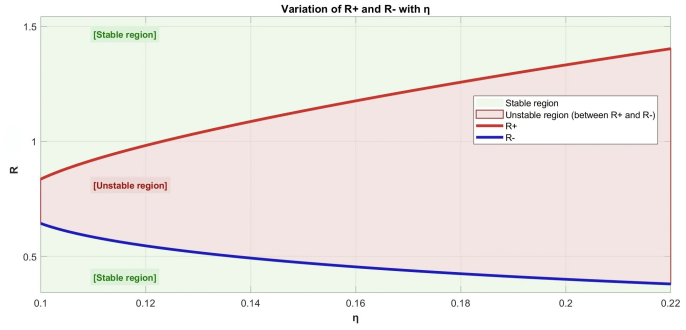
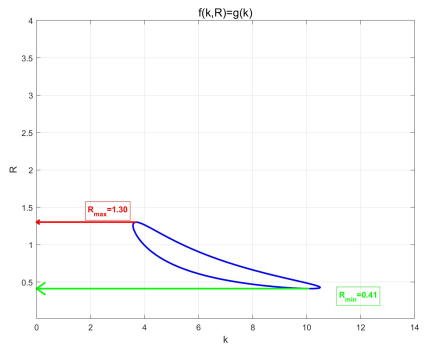
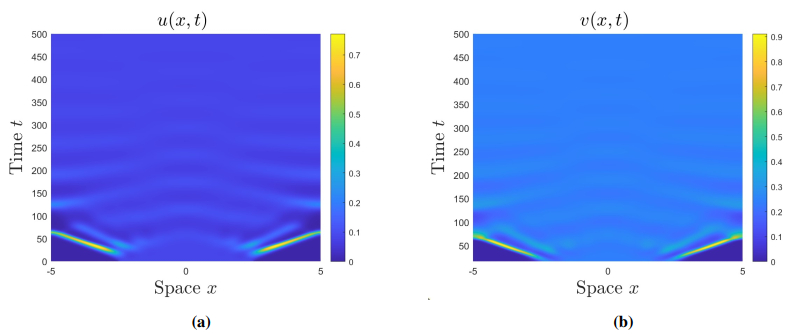
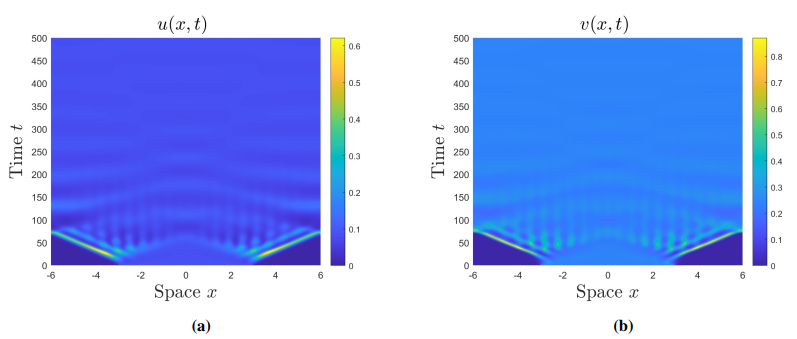
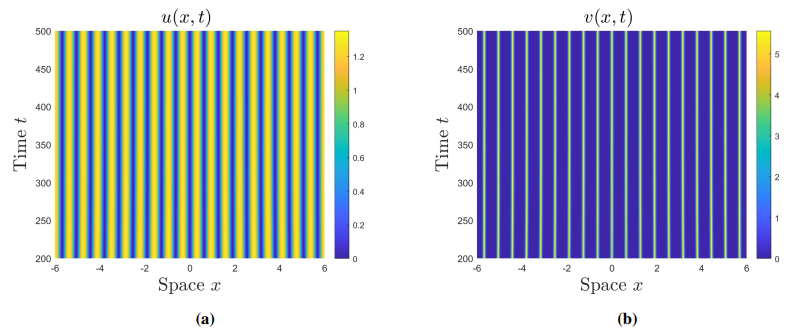
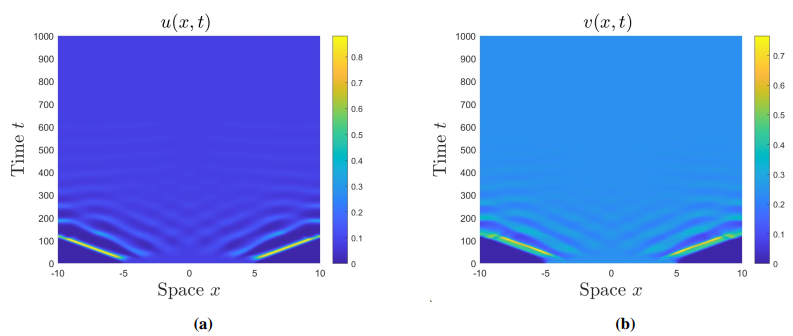
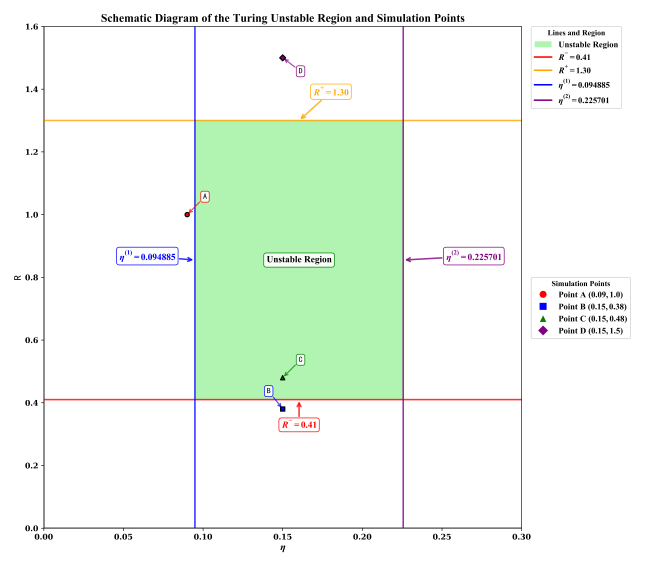
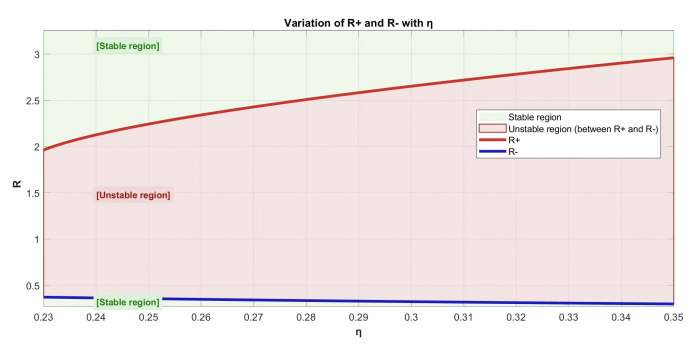
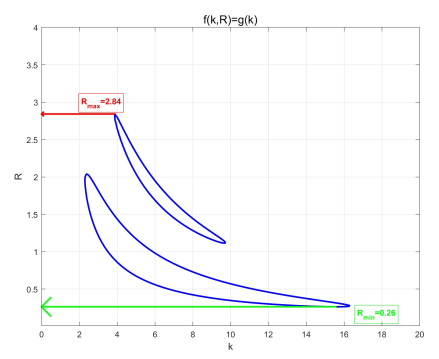
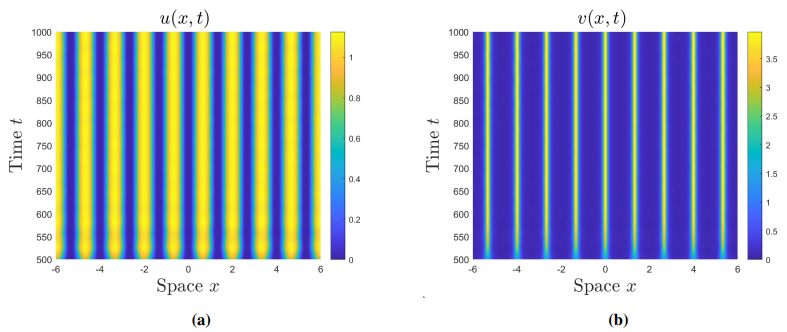
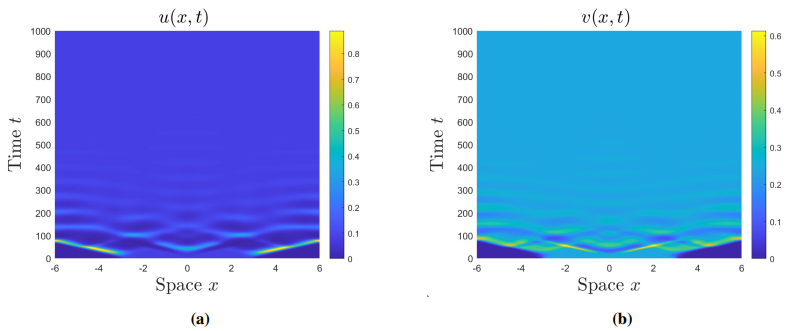
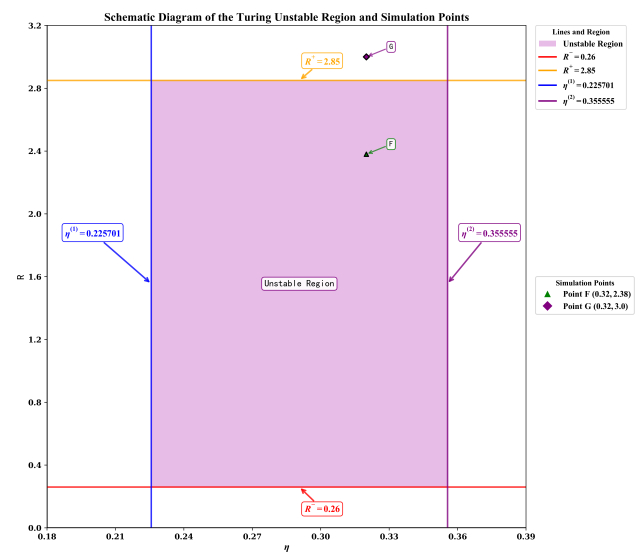
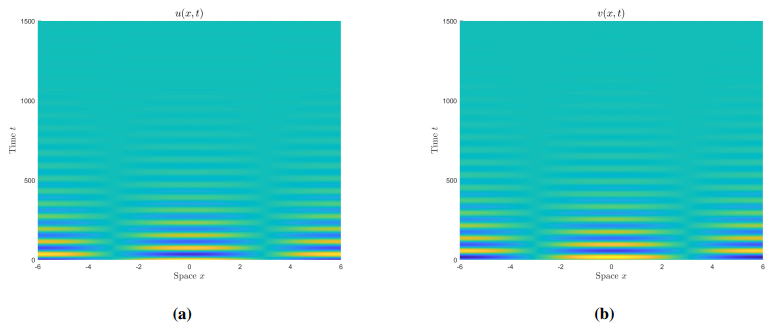
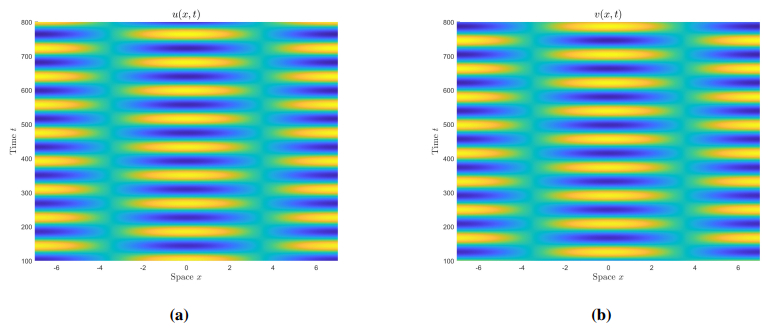
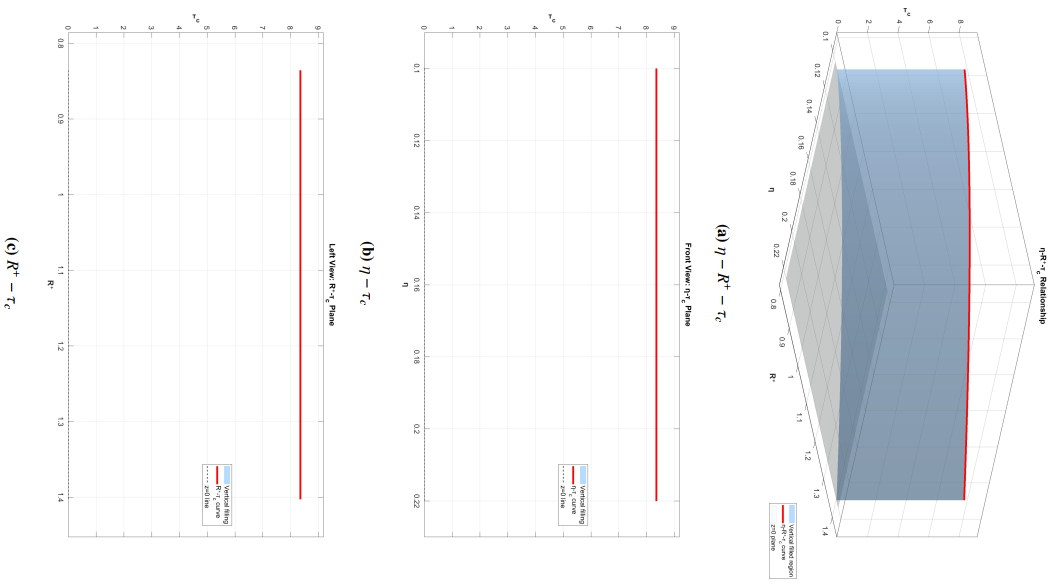
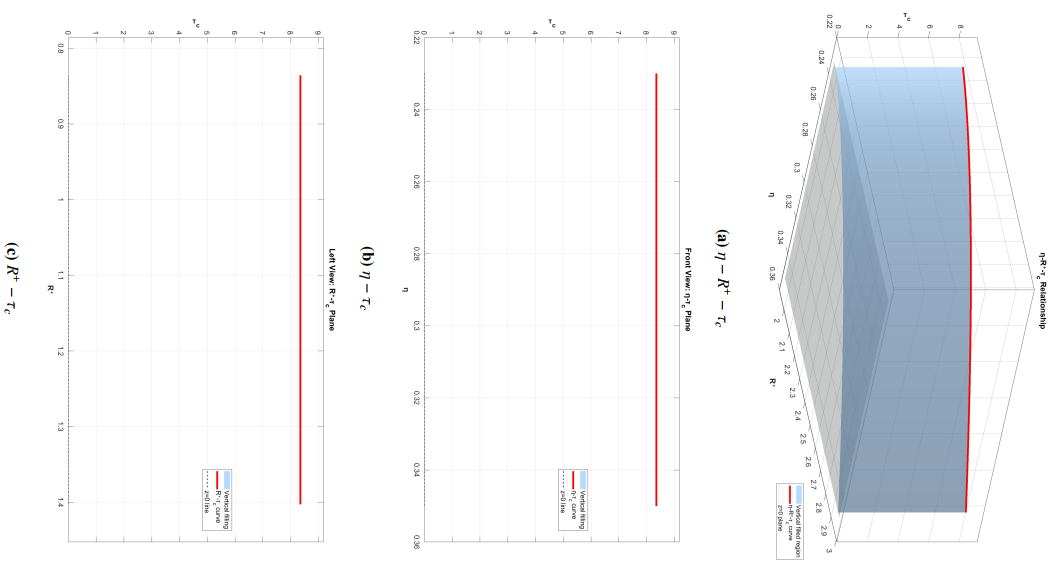
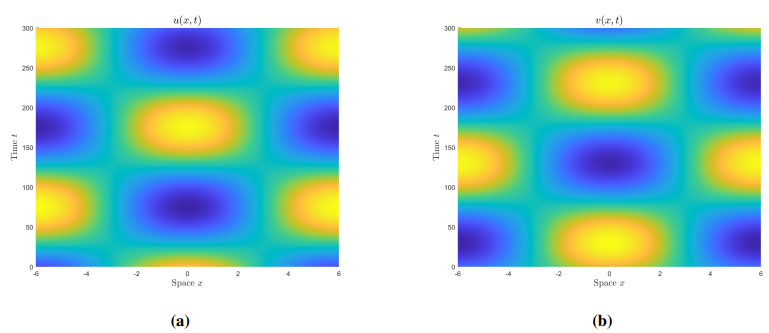
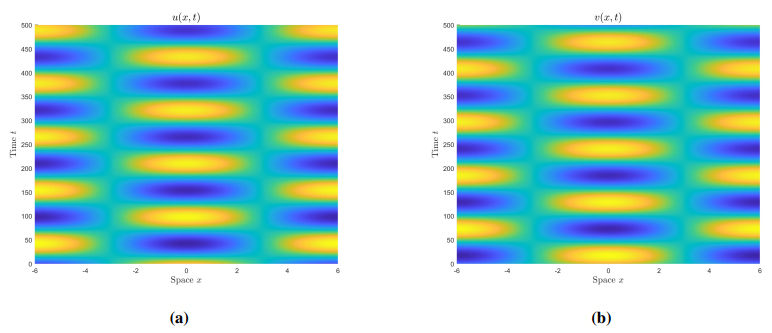
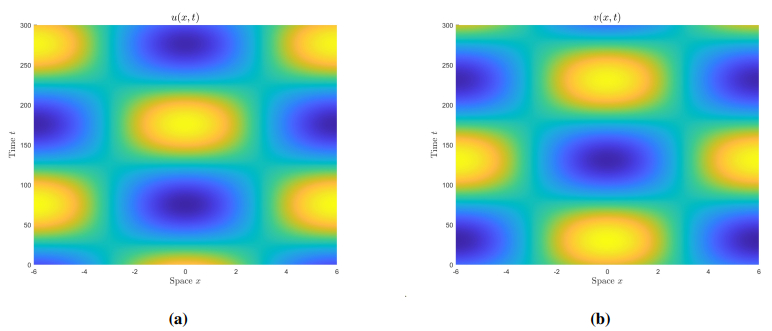
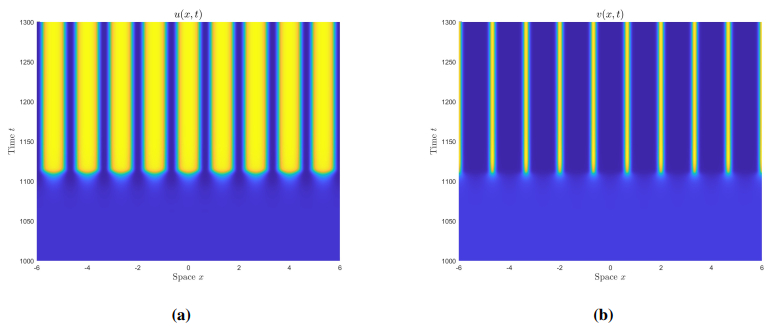
Sclerodermus guani is a facultative natural enemy with dual functional responses of predation and parasitism, which has been widely used in the biological control of Monochamus saltuarius, the vector insect of Pine Wilt Disease (PWD). However, most existing studies treat its predation and parasitism behaviors in isolation and ignore the synergistic effect of the dual functions. Based on this, we innovatively construct a facultative predation-parasitism reaction-diffusion model with top-hat nonlocal perception, dual predation-parasitism functional responses, and parasitic time delay, and we systematically analyze the spatiotemporal dynamic behaviors of the model. Theoretical analysis shows that, in the absence of time delay, the nonlocal perception intensity $ \eta $ and perception range $ R $ can induce local over-predation of the host by natural enemies and population collapse, forming stable spatially nonhomogeneous steady-state solutions. When the parasitic time delay exceeds the critical value, the delay effect leads to periodic population oscillation. The synergistic effect of nonlocal perception and time delay induces Turing-Hopf bifurcation, presenting complex spatiotemporally coupled patterns. Numerical simulations based on parameters with realistic biological backgrounds verify the correctness of the theoretical analysis, and intuitively demonstrate the dynamic modes corresponding to different parameters, including local asymptotic stability, stable spatially nonhomogeneous steady-state solutions, and spatially nonhomogeneous periodic solutions. The results reveal the regulation mechanism of top-hat nonlocal perception and parasitic time delay on the spatiotemporal dynamics of the Monochamus saltuarius-Sclerodermus guani system. They not only enrich the spatiotemporal dynamics theory of facultative predation-parasitism systems, but also provide a quantitative mathematical basis for optimizing the release timing and release strategy of Sclerodermus guani in prevention and control as well as lay a theoretical foundation for the biological control of PWD.
Citation: Bowei Xv, Yuting Ding. Spatiotemporal dynamics of a facultative predation-parasitism model for Pine Wilt Disease with top-hat nonlocal perception[J]. Electronic Research Archive, 2026, 34(5): 3350-3379. doi: 10.3934/era.2026151
Sclerodermus guani is a facultative natural enemy with dual functional responses of predation and parasitism, which has been widely used in the biological control of Monochamus saltuarius, the vector insect of Pine Wilt Disease (PWD). However, most existing studies treat its predation and parasitism behaviors in isolation and ignore the synergistic effect of the dual functions. Based on this, we innovatively construct a facultative predation-parasitism reaction-diffusion model with top-hat nonlocal perception, dual predation-parasitism functional responses, and parasitic time delay, and we systematically analyze the spatiotemporal dynamic behaviors of the model. Theoretical analysis shows that, in the absence of time delay, the nonlocal perception intensity $ \eta $ and perception range $ R $ can induce local over-predation of the host by natural enemies and population collapse, forming stable spatially nonhomogeneous steady-state solutions. When the parasitic time delay exceeds the critical value, the delay effect leads to periodic population oscillation. The synergistic effect of nonlocal perception and time delay induces Turing-Hopf bifurcation, presenting complex spatiotemporally coupled patterns. Numerical simulations based on parameters with realistic biological backgrounds verify the correctness of the theoretical analysis, and intuitively demonstrate the dynamic modes corresponding to different parameters, including local asymptotic stability, stable spatially nonhomogeneous steady-state solutions, and spatially nonhomogeneous periodic solutions. The results reveal the regulation mechanism of top-hat nonlocal perception and parasitic time delay on the spatiotemporal dynamics of the Monochamus saltuarius-Sclerodermus guani system. They not only enrich the spatiotemporal dynamics theory of facultative predation-parasitism systems, but also provide a quantitative mathematical basis for optimizing the release timing and release strategy of Sclerodermus guani in prevention and control as well as lay a theoretical foundation for the biological control of PWD.

| [1] |
W. Wu, Z. Zhang, L. Zheng, C. Han, X. Wang, J. Xu, et al., Research progress on the early monitoring of pine wilt disease using hyperspectral techniques, Sensors, 20 (2020), 3729. https://doi.org/10.3390/s20133729 doi: 10.3390/s20133729

|
| [2] |
Y. Zheng, Z. Yang, X. Wang, Mechanism of chemical ecology of Bursaphelenchus xylophilus vectored by Monochamus alternatus, Plant Prot., 40 (2014), 12–15. https://doi.org/10.3969/j.issn.0529-1542.2014.01.002 doi: 10.3969/j.issn.0529-1542.2014.01.002
|
| [3] | X. Wang, Y. Cao, L. Wang, C. Piao, C. Li, Current status of Pine Wilt Disease and its control status, J. Environ. Entomol., 40 (2018), 256–267. |
| [4] |
Y. Yang, Z. Yang, X. Wang, J. Yu, X. Yan, Predation and parasitism of Sclerodermus sp. (Hymenoptera: Bethylidae) on the young larvae of Monochamus alternatus (Coleoptera: Cerambycidae), For. Res., 26 (2013), 312–319. https://doi.org/10.13275/j.cnki.lykxyj.2013.03.002 doi: 10.13275/j.cnki.lykxyj.2013.03.002
|
| [5] |
C. S. Holling, The functional response of predators to prey density and its role in mimicry and population regulation, Mem. Entomol. Soc. Can., 97 (1965), 5–60. https://doi.org/10.4039/entm9745fv doi: 10.4039/entm9745fv
|
| [6] |
M. Baurmann, T. Gross, U. Feudel, Instabilities in spatially extended predator-prey systems: Spatio-temporal patterns in the neighborhood of Turing-Hopf bifurcations, J. Theor. Biol., 245 (2007), 220–229. https://doi.org/10.1016/j.jtbi.2006.09.036 doi: 10.1016/j.jtbi.2006.09.036
|
| [7] |
J. Yang, Dynamics behaviors of a stage-structured pest management model with time delay and impulsive effects, Math. Methods Appl. Sci., 44 (2021), 13116–13132. https://doi.org/10.1002/mma.7613 doi: 10.1002/mma.7613
|
| [8] |
Y. Hou, Y. Ding, W. Jiang, Spatial pattern formation in pine wilt disease model with prey-taxis and nonlocal competition, Discrete Contin. Dyn. Syst. - Ser. B, 30 (2025), 3479–3504. https://doi.org/10.3934/dcdsb.2025030 doi: 10.3934/dcdsb.2025030
|
| [9] |
Q. An, C. Wang, H. Wang, Analysis of a spatial memory model with nonlocal maturation delay and hostile boundary condition, Discrete Contin. Dyn. Syst., 40 (2020), 5845–5868. https://doi.org/10.3934/dcds.2020249 doi: 10.3934/dcds.2020249
|
| [10] |
J. Wang, X. Meng, X. Lei, Bifurcations and control for plant-herbivore systems with spatiotemporal nonlocal effects in arid regions, Int. J. Bifurcation Chaos, 36 (2026), 2650071. https://doi.org/10.1142/S0218127426500719 doi: 10.1142/S0218127426500719
|
| [11] |
X. Meng, Z. Liang, Dynamics analysis of a delayed diffusive predator-prey model with memory-based diffusion and fear effect of prey, Int. J. Biomath., (2026), 2550101. https://doi.org/10.1142/S1793524525501013 doi: 10.1016/j.cnsns.2020.105310
|
| [12] |
J. Wang, S. Wu, J. Shi, Pattern formation in diffusive predator-prey systems with predator-taxis and prey-taxis, Discrete Contin. Dyn. Syst. - Ser. B, 26 (2021), 1273–1289. https://doi.org/10.3934/dcdsb.2020162 doi: 10.3934/dcdsb.2020162
|
| [13] |
S. Wu, Y. Song, Spatiotemporal dynamics of a diffusive predator-prey model with nonlocal effect and delay, Commun. Nonlinear Sci. Numer. Simul., 89 (2020), 105310. https://doi.org/10.1016/j.cnsns.2020.105310 doi: 10.1016/j.cnsns.2020.105310
|
| [14] |
S. Xue, Y. Song, H, Wang, Spatio-temporal dynamics in a reaction-diffusion equation with nonlocal spatial memory, SIAM J. Appl. Dyn. Syst., 23 (2024), 641–667. https://doi.org/10.1137/22M1543860 doi: 10.1137/22M1543860
|
| [15] |
Y. Song, H, Wang, J. Wang, Cognitive consumer-resource spatiotemporal dynamics with nonlocal perception, J. Nonlinear Sci., 34 (2024), 19. https://doi.org/10.1007/s00332-023-09996-w doi: 10.1007/s00332-023-09996-w
|
| [16] |
J. Li, Y. Ding, W. Jiang, Dynamical analysis of a Pine Wilt Disease model with memory-based diffusion and nonlocal effect, J. Math. Biol., 91 (2025), 6. https://doi.org/10.1007/s00285-025-02236-7 doi: 10.1007/s00285-025-02236-7
|
| [17] |
J. Li, Y. Ding, Y. Song, Pattern formation driven by nonlocal perception in a delayed pine wilt disease model with top-hat kernel, Bull. Math. Biol., 87 (2025), 126. https://doi.org/10.1007/s11538-025-01504-3 doi: 10.1007/s11538-025-01504-3
|
| [18] |
Y. Zheng, Y. Wang, W. Wang, Y. Li, L. Fan, Y. Shi, et al., Parasitic effect of Dastarcus helophoroides of Monochamus alternatus biotype on Monochamus saltuarius, Chin. J. Biol. Control, 38 (2022), 587–594. https://doi.org/10.16409/j.cnki.2095-039x.2022.05.002 doi: 10.16409/j.cnki.2095-039x.2022.05.002
|
| [19] |
Y. Zhang, Z. Yang, X. Wang, Y. Zhang, C. Wu, S. Ma, et al., Functional response of the parasitoid Sclerodermus sp. (Hymenoptera: Bethylidae) to the third instar larvae of host Monochamus alternatus (Coleoptera: Cerambycidae), Acta Entomol. Sin., 55 (2012), 426–434. https://doi.org/10.16380/j.kcxb.2012.04.006 doi: 10.16380/j.kcxb.2012.04.006
|
| [20] |
Y. Zheng, Y. Zhang, Y. Shi, L. Fan, Y. Li, Preliminary study on the control efficiency of Monochamus saltuarius by Sclerodermus spp., Chin. J. Biol. Control, 38 (2022), 306–311. https://doi.org/10.16409/j.cnki.2095-039x.2021.09.030 doi: 10.16409/j.cnki.2095-039x.2021.09.030
|
| [21] |
W. F. Fagan, E. Gurarie, S. Bewick, A. Howard, R. S. Cantrell, C. Cosner, Perceptual ranges, information gathering, and foraging success in dynamic landscapes, Am. Nat., 189 (2017), 474–489. https://doi.org/10.1086/691099 doi: 10.1086/691099
|
| [22] |
X. Wen, D. Song, Z. Yang, Z. Wang, M. Shi, Relationships between the emergence of Dastarcus helophoroides (Coleoptera: Bothrideridae) and the emergence of the host Monochamus alternatus (Coleoptera: Cerambycidae) in Pinus massoniana forests, Sci. Silvae Sin., 56 (2020), 193–200. https://doi.org/10.11707/j.1001-7488.20200921 doi: 10.11707/j.1001-7488.20200921
|
| [23] |
J. K. Jung, C. Lee, B. Jang, Y. Nam, Effects of sex, age, and body size on flight performance of Monochamus alternatus (Coleoptera: Cerambycidae), a vector of pine wood nematodes, using flight mills, Insects, 16 (2025), 444. https://doi.org/10.3390/insects16050444 doi: 10.3390/insects16050444
|
Figures(26) / Tables(1)
Bowei Xv, Yuting Ding. Spatiotemporal dynamics of a facultative predation-parasitism model for Pine Wilt Disease with top-hat nonlocal perception[J]. Electronic Research Archive, 2026, 34(5): 3350-3379. doi: 10.3934/era.2026151





 DownLoad: