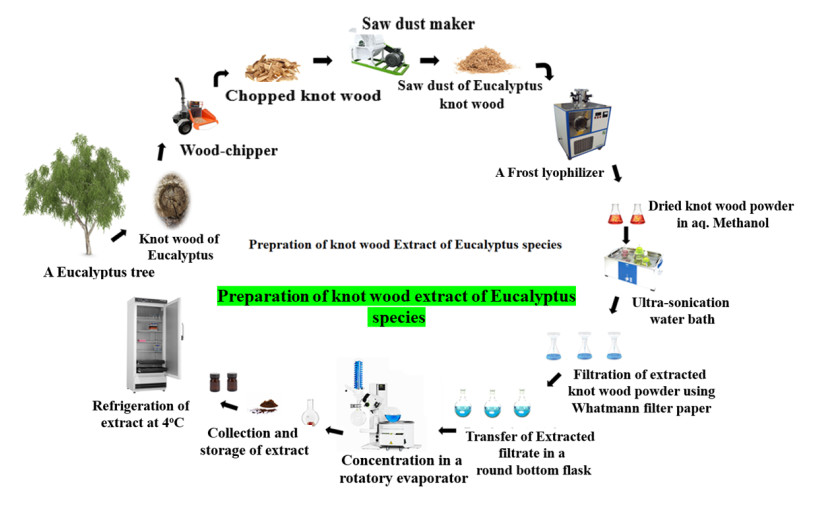
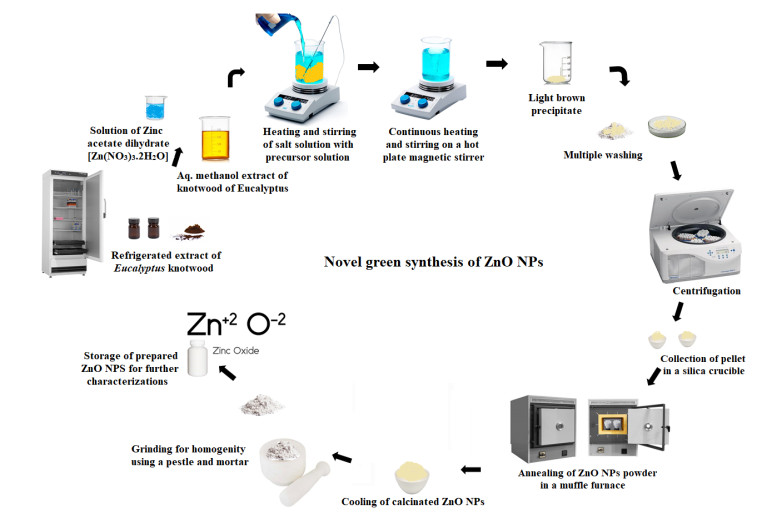
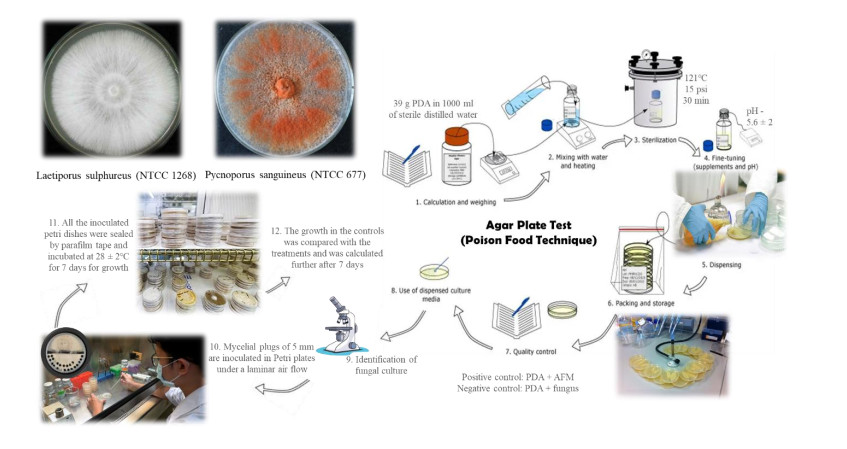
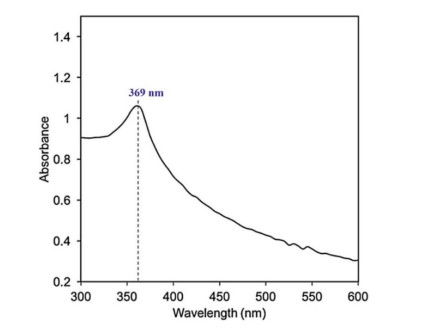
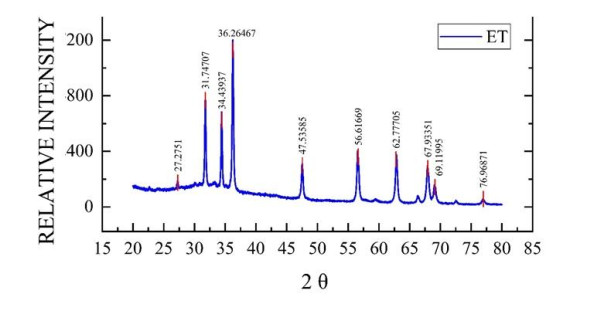
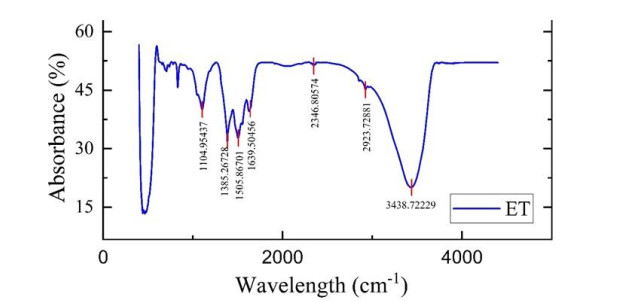
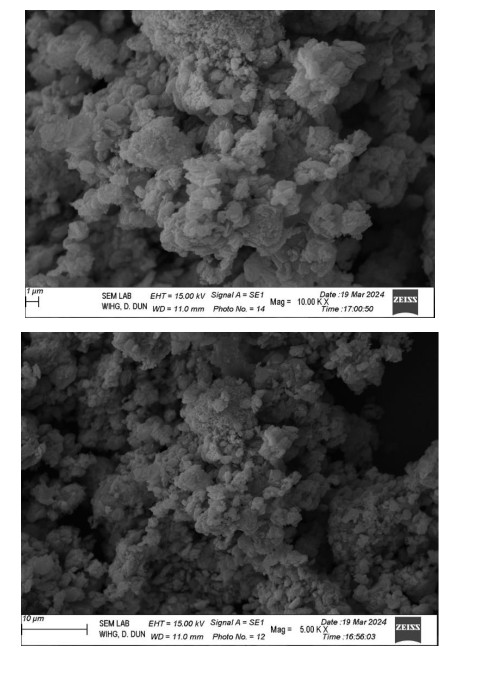
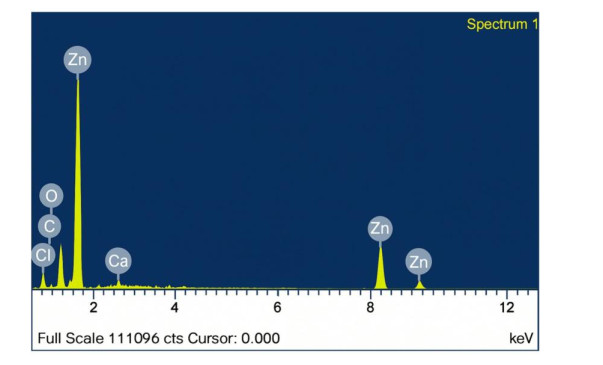
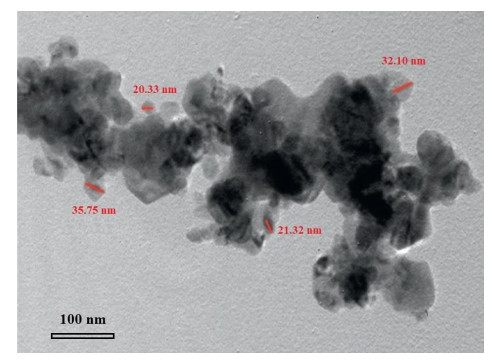
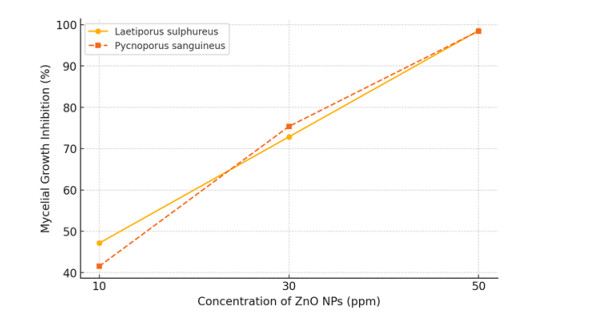
In this study, we introduce an eco-friendly approach to synthesizing zinc oxide nanoparticles (ZnO NPs) using Eucalyptus tereticornis knot wood waste, an abundant yet underutilized biomass residue from plantations and wood industries. E. tereticornis, valued in traditional medicine for its bioactive compounds, acts as a natural chelating and reducing agent under ambient conditions. The extraction process yielded 7.50% E. tereticornis extract with a total phenolic content of 530.20 mg GAE/g, leading to a 27.52% yield of ZnO NPs. Physicochemical characterization confirmed the formation of highly crystalline ZnO NPs with a wurtzite structure (~29 nm), as validated by powder X-ray diffraction (XRD). UV-Vis spectroscopy revealed a characteristic absorption peak at 369 nm, closely matching bulk ZnO (~377 nm). Further structural and compositional analysis through scanning electron microscopy (SEM), transmission electron microscopy (TEM), energy dispersive X-ray (EDX), and Fourier-transform infrared (FTIR) confirmed their purity, morphology, and functional group interactions. The ZnO NPs exhibited predominantly spherical structures ranging from 20–40 nm, in close agreement with XRD results. Moreover, antifungal studies have demonstrated the significant bioactivity of ZnO NPs against common wood-decaying fungi, Laetiporus sulphurous (brown rot) and Pycnoporus sanguineus (white rot). Mycelial growth inhibition at different ZnO NP concentrations (10, 30, and 50 ppm) was recorded at 47.14%, 72.86%, and 98.57% for L. sulphurous, and 41.54%, 75.38%, and 98.46% for P. sanguineus, respectively. This study highlights the potential of Eucalyptus tereticornis knot wood waste as a sustainable resource for ZnO NP synthesis, offering a cost-effective and environmentally friendly alternative for wood protection against fungal decay.
Citation: Gaurav Pandey, Vinay Kumar Varshney, Radhika Khanna, Rajeev Gupta. Antifungal activity of zinc oxide nanoparticles synthesised by a novel green method using waste biomass residue of Eucalyptus tereticornis[J]. Clean Technologies and Recycling, 2026, 6(2): 234-251. doi: 10.3934/ctr.2026010
In this study, we introduce an eco-friendly approach to synthesizing zinc oxide nanoparticles (ZnO NPs) using Eucalyptus tereticornis knot wood waste, an abundant yet underutilized biomass residue from plantations and wood industries. E. tereticornis, valued in traditional medicine for its bioactive compounds, acts as a natural chelating and reducing agent under ambient conditions. The extraction process yielded 7.50% E. tereticornis extract with a total phenolic content of 530.20 mg GAE/g, leading to a 27.52% yield of ZnO NPs. Physicochemical characterization confirmed the formation of highly crystalline ZnO NPs with a wurtzite structure (~29 nm), as validated by powder X-ray diffraction (XRD). UV-Vis spectroscopy revealed a characteristic absorption peak at 369 nm, closely matching bulk ZnO (~377 nm). Further structural and compositional analysis through scanning electron microscopy (SEM), transmission electron microscopy (TEM), energy dispersive X-ray (EDX), and Fourier-transform infrared (FTIR) confirmed their purity, morphology, and functional group interactions. The ZnO NPs exhibited predominantly spherical structures ranging from 20–40 nm, in close agreement with XRD results. Moreover, antifungal studies have demonstrated the significant bioactivity of ZnO NPs against common wood-decaying fungi, Laetiporus sulphurous (brown rot) and Pycnoporus sanguineus (white rot). Mycelial growth inhibition at different ZnO NP concentrations (10, 30, and 50 ppm) was recorded at 47.14%, 72.86%, and 98.57% for L. sulphurous, and 41.54%, 75.38%, and 98.46% for P. sanguineus, respectively. This study highlights the potential of Eucalyptus tereticornis knot wood waste as a sustainable resource for ZnO NP synthesis, offering a cost-effective and environmentally friendly alternative for wood protection against fungal decay.

| [1] |
Maafa IM (2025) Potential of zinc oxide nanostructures in biosensor application. Biosensors 15: 61. https://doi.org/10.3390/bios15010061 doi: 10.3390/bios15010061

|
| [2] |
Sheibani AA (2020) Enhanced photocatalytic performance of Cu2O nano-photocatalyst powder modified by ball milling and ZnO. Adv Powder Technol 31: 40-50. https://doi.org/10.1016/j.apt.2019.09.035 doi: 10.1016/j.apt.2019.09.035
|
| [3] | Yusof MHM, Zaidan UH, Mohamad R, et al. (2020) Sustainable microbial cell nanofactory for zinc oxide nanoparticles production by zinc-tolerant probiotic. Lactobacillus plantarum strain TA4. Microb Cell Fact 19: 10. https://doi.org/10.1186/s12934-020-1279-6 |
| [4] |
Podasca DM, Dascalescu VE (2020) Photopolymerized films with ZnO and doped ZnO particles used as efficient photocatalysts in malachite green dye decomposition. Appl Sci 10: 6. https://doi.org/10.3390/app10061954 doi: 10.3390/app10061954
|
| [5] |
Khan HA, Narayan R, Udayabhanu G, et al. (2018) Nanoparticles for biomedical applications: An overview. In: Narayan R (ed) Nanobiomaterials. Woodhead Publishing, Cambridge, 357-384. https://doi.org/10.1016/B978-0-08-100716-7.00014-3 doi: 10.1016/B978-0-08-100716-7.00014-3
|
| [6] |
Vinardell M, Llanas H, Marics L, et al. (2017) In vitro comparative skin irritation induced by nano and non-nano zinc oxide. Nanomaterials 7: 57. https://doi.org/10.3390/nano7030056 doi: 10.3390/nano7030056
|
| [7] |
Ozgur U, Alivov YI, Liu C, et al. (2005) A comprehensive review of ZnO materials and devices. J Appl Phys 98: 041301. https://doi.org/10.1063/1.1992666 doi: 10.1063/1.1992666
|
| [8] |
Kaminsky F (2012) Mineralogy of the lower mantle: A review of super-deep mineral inclusions in diamond. Earth-Sci Rev 110: 127-147. https://doi.org/10.1016/j.earscirev.2011.10.005 doi: 10.1016/j.earscirev.2011.10.005
|
| [9] |
Eranna G, Joshi BC, Runthala DP, et al. (2004) Oxide materials for development of integrated gas sensors—A comprehensive review. Crit Rev Solid State Mater Sci 29: 111-188. https://doi.org/10.1080/10408430490888977 doi: 10.1080/10408430490888977
|
| [10] |
Bhosale S, Patil N, Deshmukh S, et al. (2024) Recent advances in zinc oxide nanoparticles: Synthesis methods, characterization techniques, and emerging applications. Curr Catal 13: 78-104. https://doi.org/10.2174/0122115447323237241016100917 doi: 10.2174/0122115447323237241016100917
|
| [11] |
Yusof MH, Mohamad R, Zaidan UH, et al. (2019) Microbial synthesis of zinc oxide nanoparticles and their potential application as an antimicrobial agent and feed supplement in animal industry. J Anim Sci Biotechnol 10: 1-22. https://doi.org/10.1186/s40104-019-0368-z doi: 10.1186/s40104-019-0368-z
|
| [12] |
Mazhdi M, Jafar MJT (2018) Effects of gadolinium doping on structural, morphological, optical and photoluminescence properties of ZnO nanoparticles. Appl Phys A 124: 863. https://doi.org/10.1007/s00339-018-2291-0 doi: 10.1007/s00339-018-2291-0
|
| [13] |
Radulescu DM, Frone AN, Chiulan I, et al. (2023) Green synthesis of metal and metal oxide nanoparticles: Principles and biomedical applications. Int J Mol Sci 24: 15397. https://doi.org/10.3390/ijms242015397 doi: 10.3390/ijms242015397
|
| [14] |
Yuan HQ, Ma Q, Ye L, et al. (2016) Traditional medicine and modern medicine from natural products. Molecules 21: 559. https://doi.org/10.3390/molecules21050559 doi: 10.3390/molecules21050559
|
| [15] |
Sruthi S, Mohanan AJ (2018) Biomedical application and hidden toxicity of zinc oxide nanoparticles. Mater Today Chem 10: 175-186. https://doi.org/10.1016/j.mtchem.2018.09.008 doi: 10.1016/j.mtchem.2018.09.008
|
| [16] |
Iravani S (2011) Green synthesis of metal nanoparticles using plants. Green Chem 13: 2638-2650. https://doi.org/10.1039/c1gc15386b doi: 10.1039/c1gc15386b
|
| [17] |
De Filpo G, Palermo A, Rachiele F, et al. (2013) Preventing fungal growth in wood by titanium dioxide nanoparticles. Int Biodeterior Biodegrad 85: 217-222. https://doi.org/10.1016/j.ibiod.2013.07.007 doi: 10.1016/j.ibiod.2013.07.007
|
| [18] |
Vettraino A, Zikeli F, Humar M, et al. (2023) Essential oils from Thymus spp. as natural biocide against brown- and white-rot fungi in wood products. Eur J Wood Wood Prod 81: 747-763. https://doi.org/10.1007/s00107-022-01914-3 doi: 10.1007/s00107-022-01914-3
|
| [19] |
Pandey G, Varshney VK, Gupta R, et al. (2025) Green fabrication of zincite nanoparticles from underutilized biomass residue with their physicochemical characterization and antifungal analysis. Discov. Chem 2: 253. https://doi.org/10.1007/s44371-025-00336-3 doi: 10.1007/s44371-025-00336-3
|
| [20] | Food and Agriculture Organization (2014) Report on forestry policies. FAO, Rome. |
| [21] |
Salari MH, Amine G, Shirazi MH, et al. (2006) Antibacterial effects of Eucalyptus globulus leaf extract on respiratory pathogens. Clin Microbiol Infect 12: 194-196. https://doi.org/10.1111/j.1469-0691.2005.01284.x doi: 10.1111/j.1469-0691.2005.01284.x
|
| [22] |
Schmidt GA, Ruedy R, Hansen JE, et al. (2006) Present-day atmospheric simulations using GISS ModelE. J Clim 19: 153-192. https://doi.org/10.1175/JCLI3612.1 doi: 10.1175/JCLI3612.1
|
| [23] | Highley TL (1994) Research on biodeterioration of wood, 1987-1992. USDA For Serv Res Pap FPL-RP-529. |
| [24] |
Pasanen AL (1992) Airborne mesophilic fungal spores in residential environments. Atmos Environ 26: 2861-2868. https://doi.org/10.1016/0960-1686(92)90278-S doi: 10.1016/0960-1686(92)90278-S
|
| [25] | Morris P, Winandy J (2002) Limiting conditions for decay in wood systems. Proc Int Res Group Wood Preserv, Cardiff, pp 1-11. |
| [26] |
Stienen T, Humar M, Kržišnik D, et al. (2014) Wood decay by indoor basidiomycetes at different moisture and temperature. Holzforschung 68: 1-10. https://doi.org/10.1515/hf-2013-0065 doi: 10.1515/hf-2013-0065
|
| [27] |
Agarwal H, Shanmugam S, Ramasamy S (2017) Green synthesis of zinc oxide nanoparticles—An eco-friendly approach. Resour-Effic Technol 3: 406-413. https://doi.org/10.1016/j.reffit.2017.03.002 doi: 10.1016/j.reffit.2017.03.002
|
| [28] | Karunakaran C, Vijayabaskar R (2018) Optical, structural and antibacterial activity of ZnO nanoparticles synthesized by a green approach. Mater Res Bull 48: 4738-4745. |
| [29] |
Patterson A (1939) The Scherrer formula for X-ray particle size determination. Phys Rev 56: 978-982. https://doi.org/10.1103/PhysRev.56.978 doi: 10.1103/PhysRev.56.978
|
| [30] | Cullity BD, Stock SR (2001) Elements of X-ray diffraction. Pearson Education, New Delhi. |
| [31] |
Sangeetha G, Rajeshwari S, Venckatesh R (2011) Green synthesis of zinc oxide nanoparticles by Aloe barbadensis Miller leaf extract: Structure and optical properties. Mater Res Bull 46: 2560-2566. https://doi.org/10.1016/j.materresbull.2011.07.046 doi: 10.1016/j.materresbull.2011.07.046
|
| [32] |
Gunalan S, Sivaraj R, Venckatesh R (2012) Green synthesized ZnO nanoparticles against bacterial and fungal pathogens. Prog Nat Sci Mater Int 22: 693-700. https://doi.org/10.1016/j.pnsc.2012.11.015 doi: 10.1016/j.pnsc.2012.11.015
|
| [33] |
Siripireddy B, Mandal BK (2017) Facile green synthesis of zinc oxide nanoparticles by Eucalyptus globulus and their photocatalytic and antioxidant activity. Adv Powder Technol 28: 785-797. https://doi.org/10.1016/j.apt.2016.11.026 doi: 10.1016/j.apt.2016.11.026
|
| [34] |
Zhang Y, Nayak TR, Hong H, et al. (2013) Biomedical applications of zinc oxide nanomaterials. Curr Mol Med 13: 1633-1645. https://doi.org/10.2174/1566524013666131111130058 doi: 10.2174/1566524013666131111130058
|
| [35] |
Sundrarajan M, Ambika S, Bharathi K (2015) Plant-extract mediated synthesis of ZnO nanoparticles using Pongamia pinnata and their activity against pathogenic bacteria. Adv Powder Technol 26: 1294-1299. https://doi.org/10.1016/j.apt.2015.07.001 doi: 10.1016/j.apt.2015.07.001
|
| [36] | Bureau of Indian Standards (2008) IS 4873 (Part 1): Methods of laboratory testing of wood preservatives against fungi and borers (powder post beetles)—Part 1: Determination of threshold values of wood preservatives against fungi (Second Revision). Bureau of Indian Standards, New Delhi. |
| [37] |
Lipovsky A, Nitzan Y, Gedanken A, et al. (2011) Antifungal activity of ZnO nanoparticles—the role of ROS mediated cell injury. Nanotechnology 22: 105101. https://doi.org/10.1088/0957-4484/22/10/105101 doi: 10.1088/0957-4484/22/10/105101
|
| [38] |
He L, Liu Y, Mustapha A, et al. (2011) Antifungal activity of zinc oxide nanoparticles against Botrytis cinerea and Penicillium expansum. Microbiol Res 166: 207-215. https://doi.org/10.1016/j.micres.2010.03.003 doi: 10.1016/j.micres.2010.03.003
|
| [39] |
Sardella D, Gatt R, Valdramidis VP (2017) Physiological effects and mode of action of ZnO nanoparticles against postharvest fungal contaminants. Food Res Int 101: 274-279. https://doi.org/10.1016/j.foodres.2017.08.019 doi: 10.1016/j.foodres.2017.08.019
|
| [40] |
Dimkpa CO, McLean JE, Britt DW, et al. (2013) Antifungal activity of ZnO nanoparticles and their interactive effect with a biocontrol bacterium on growth antagonism of the plant pathogen Fusarium graminearum. BioMetals 26: 913-924. https://doi.org/10.1007/s10534-013-9667-6 doi: 10.1007/s10534-013-9667-6
|
| [41] |
Siddiqi KS, Rahman A, Tajuddin, et al. (2018) Properties of zinc oxide nanoparticles and their activity against microbes. Nanoscale Res Lett 13: 141. https://doi.org/10.1186/s11671-018-2532-3 doi: 10.1186/s11671-018-2532-3
|
Figures(11) / Tables(2)
Gaurav Pandey, Vinay Kumar Varshney, Radhika Khanna, Rajeev Gupta. Antifungal activity of zinc oxide nanoparticles synthesised by a novel green method using waste biomass residue of Eucalyptus tereticornis[J]. Clean Technologies and Recycling, 2026, 6(2): 234-251. doi: 10.3934/ctr.2026010





 DownLoad: