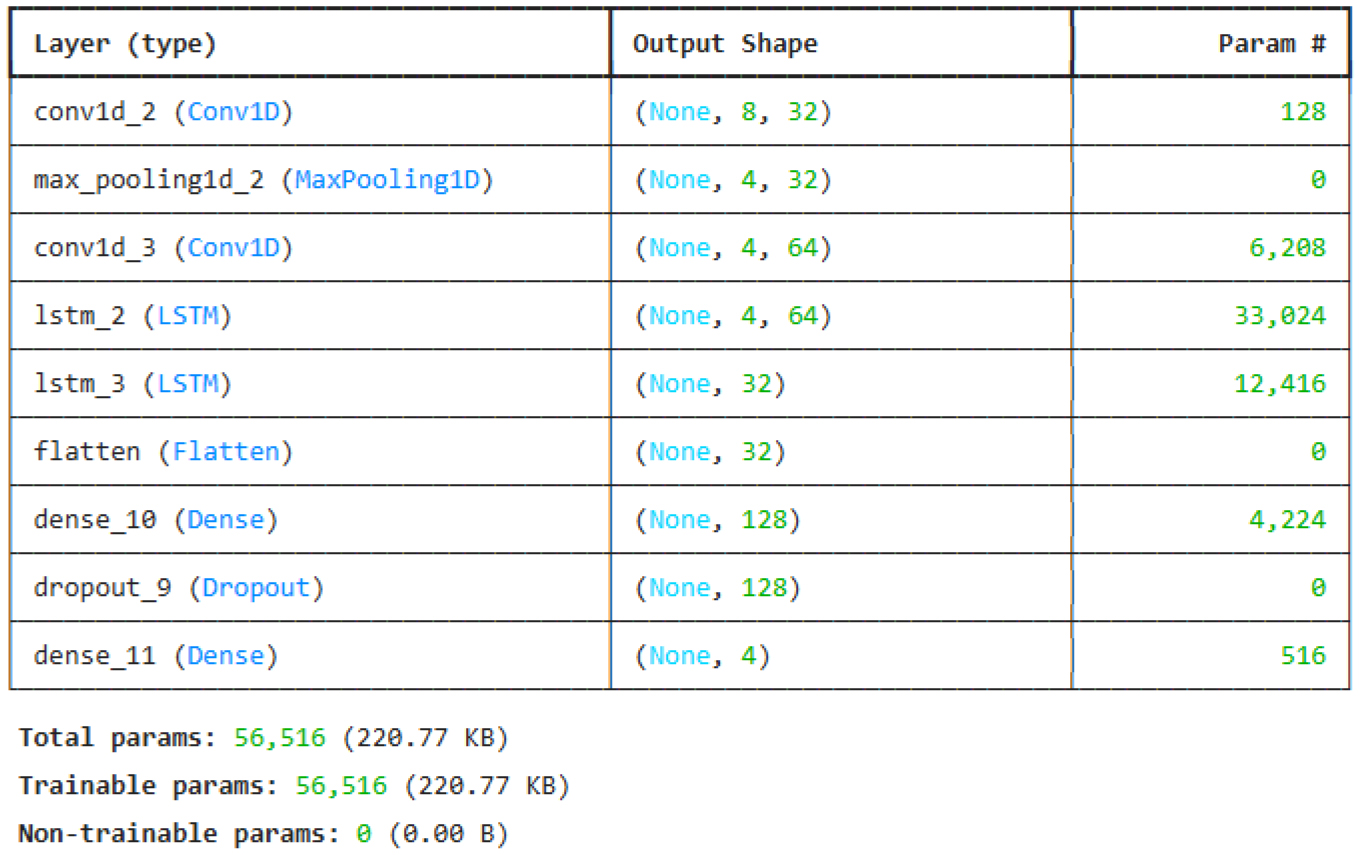
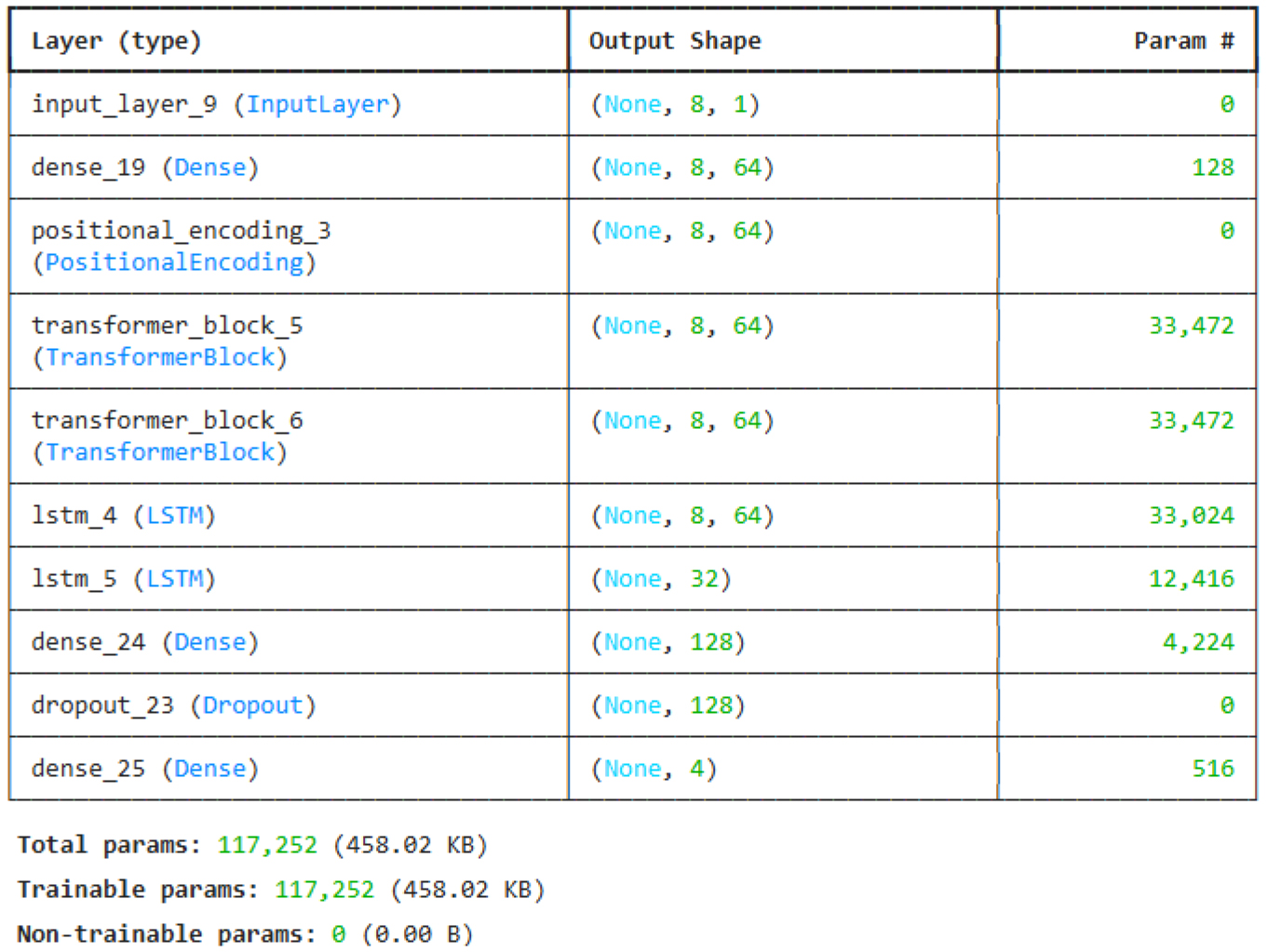
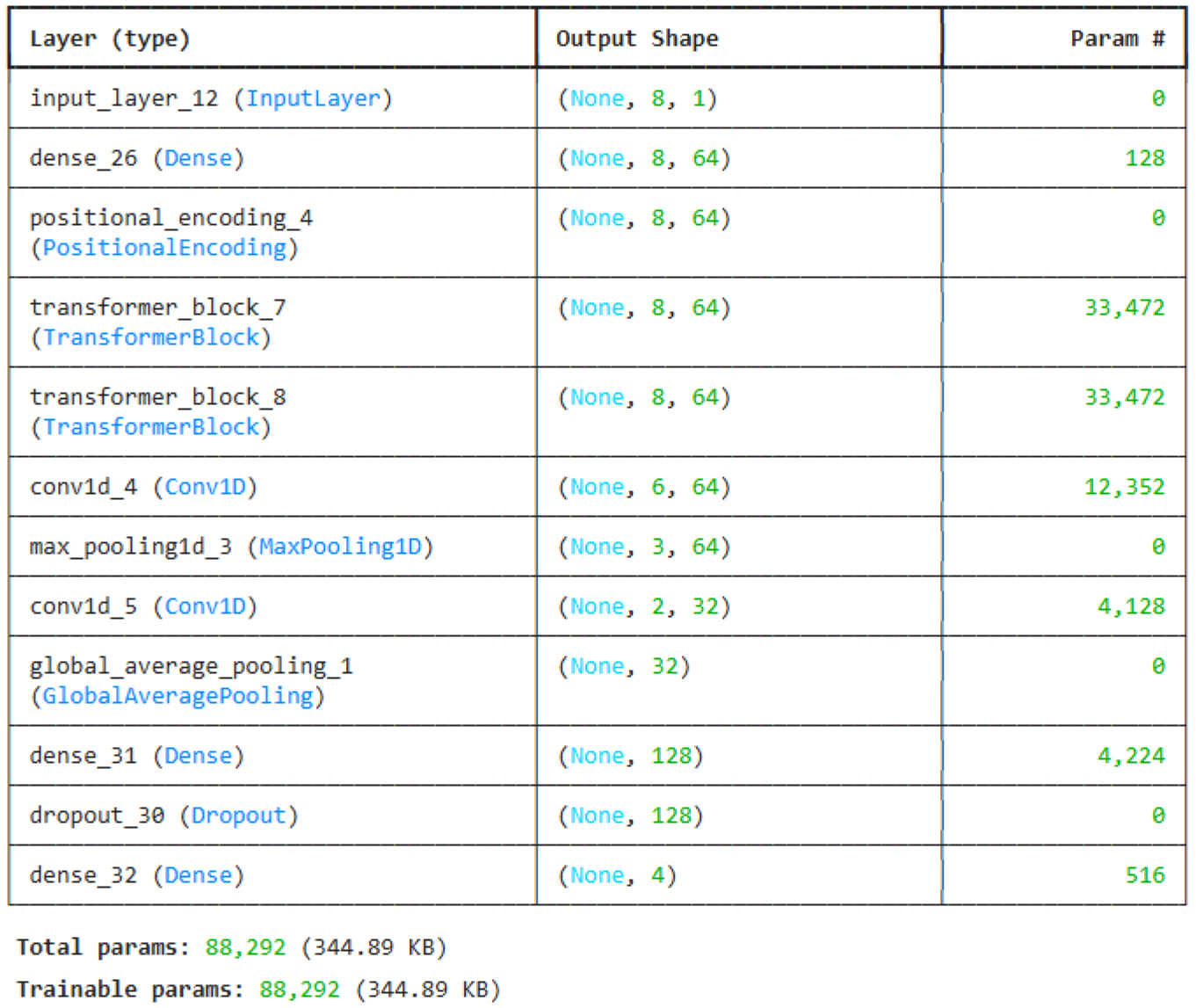
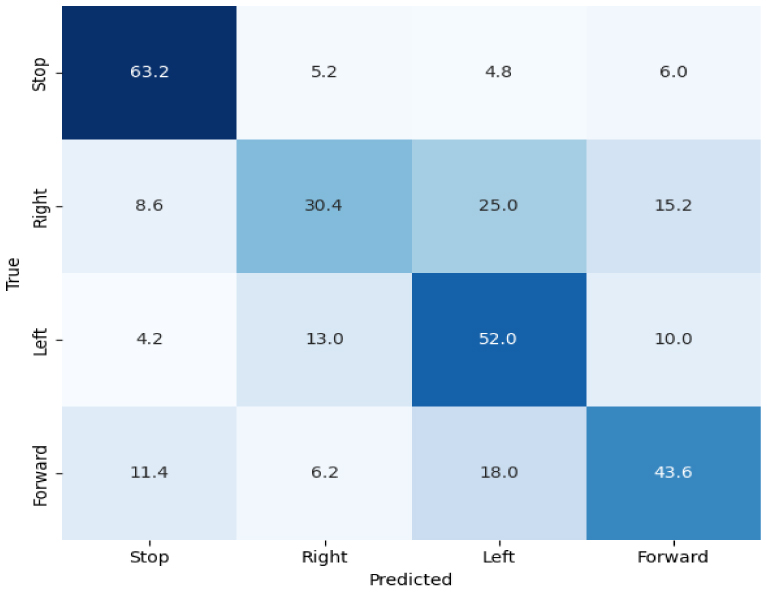
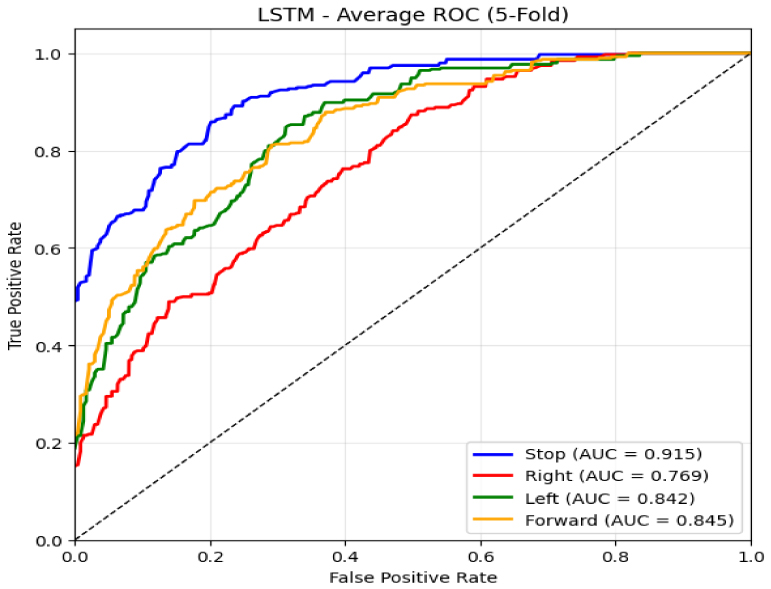
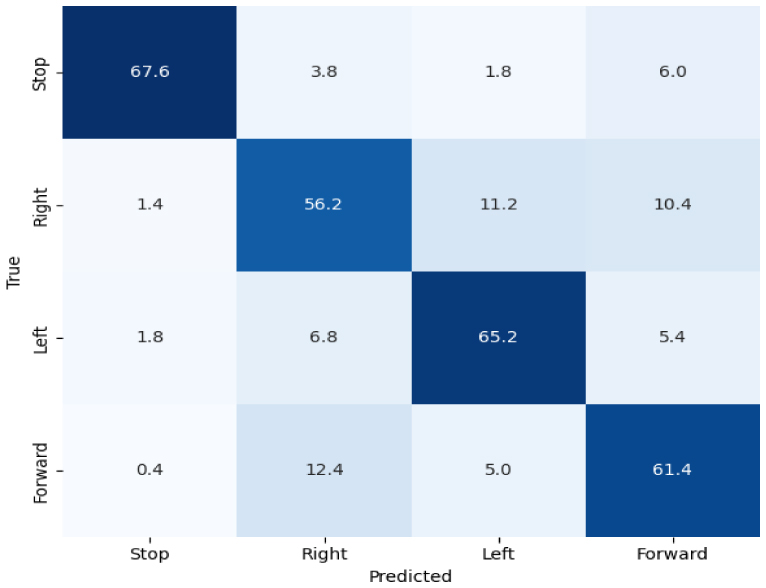
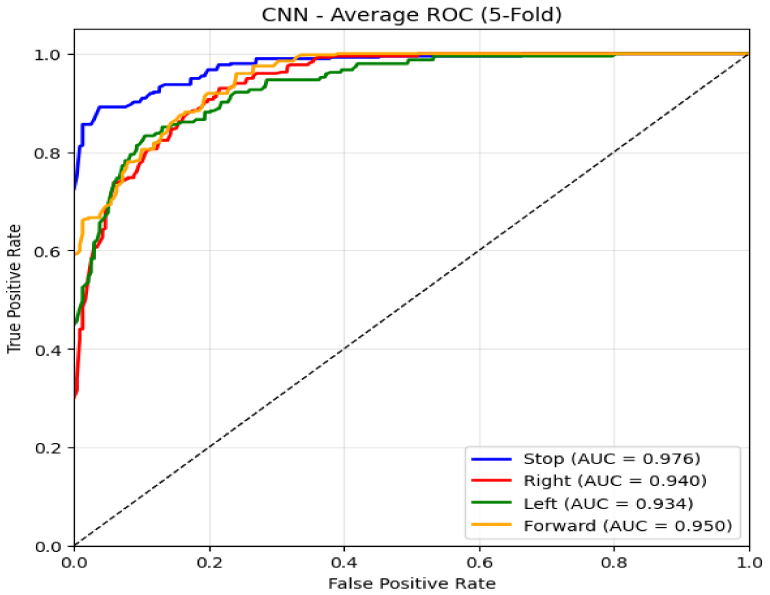
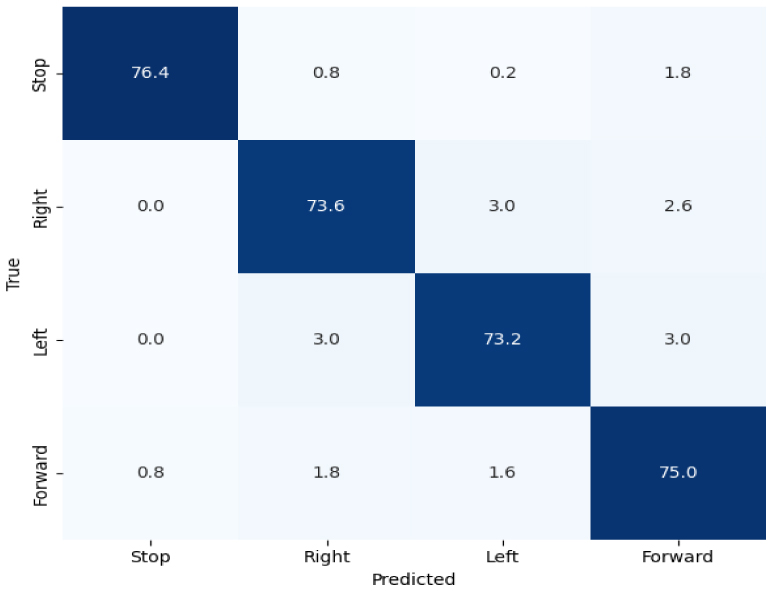
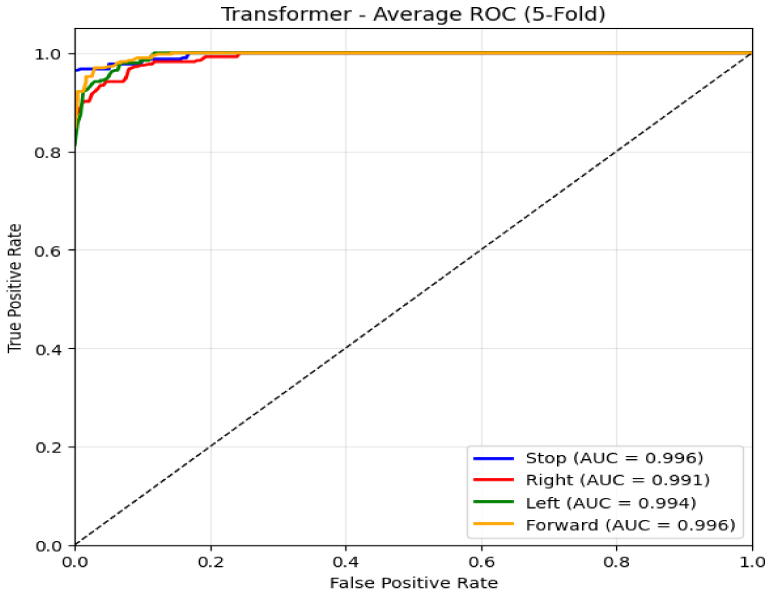
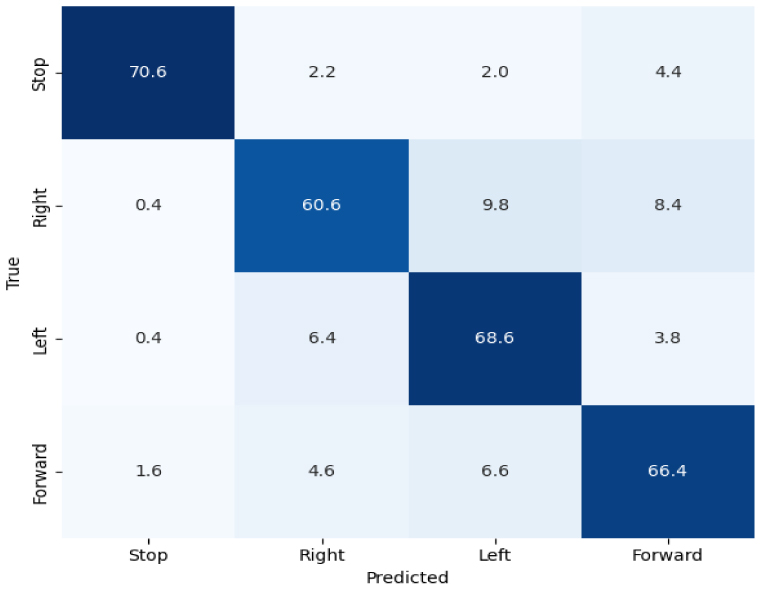
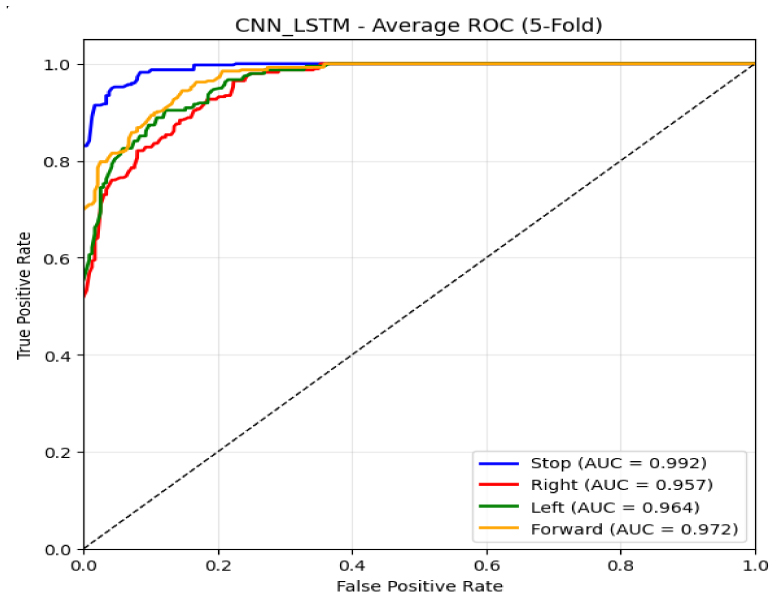
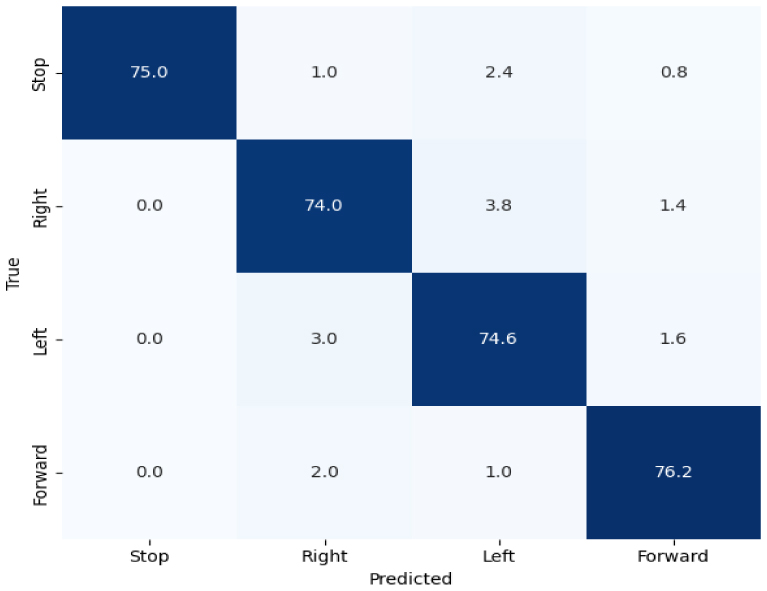
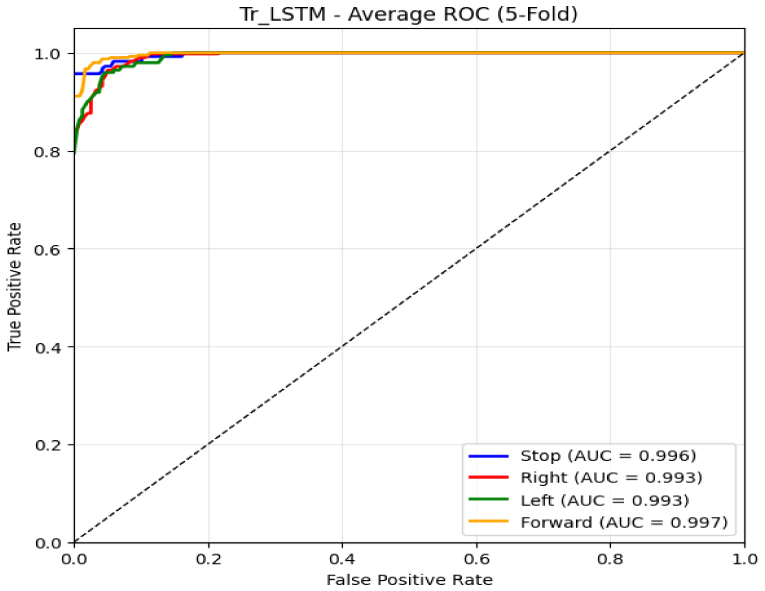
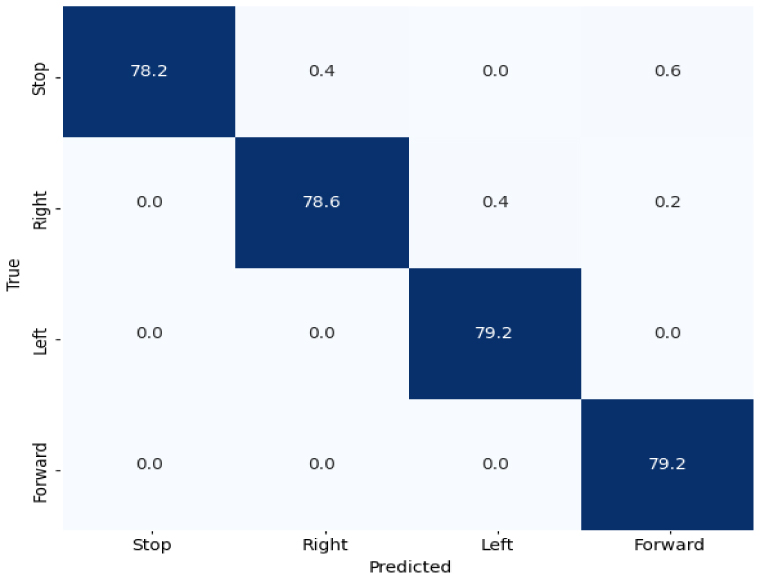
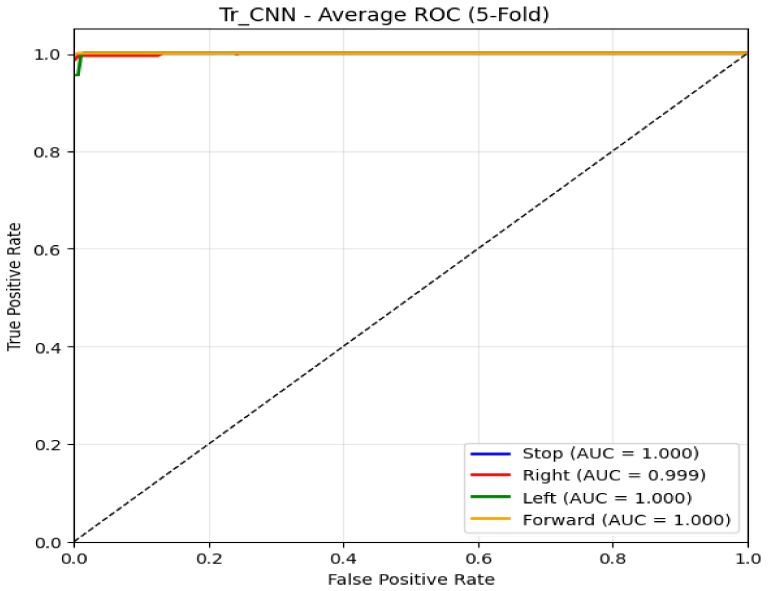
The purpose of this study is to improve the classification of electroencephalogram (EEG) signals for motor imagery-based brain–computer interfaces (MI-BCIs), thus enabling more reliable user interactions in assistive technologies such as autonomous wheelchairs. The study contributes by systematically investigating and comparing the performance of both simple (Transformer, Convolutional Neural Networks (CNNs), Long Short-Term Memory (LSTM)) and hybrid deep learning architectures (Transformer + CNN, Transformer + LSTM, CNN + LSTM) for EEG signal classification using multiple evaluation metrics, including accuracy, ROC AUC, confusion matrices, and prediction time. The findings demonstrate that the Transformer + CNN hybrid model consistently outperforms all other architectures, thereby achieving perfect classification accuracy (1.00), zero misclassifications, flawless AUC scores (1.000), and a competitive inference time (1.17 s), thus making it highly suitable for real-time MI-BCI applications. In contrast, simple models, particularly LSTM, show lower accuracies and reduced stabilities. Overall, this study highlights the advantage of combining attention mechanisms and convolutional architectures to effectively capture both spatial and contextual patterns in nonstationary EEG signals, thus establishing Transformer-based hybrid models as a promising approach for robust, real-time EEG classifications in next-generation MI-BCI systems.
Citation: Lassaad Zaway, Intissar Zaway, Jalel Ktari, Nader Ben Amor, Laurent Delahoche, Larbi Chrifi Alaoui, Mohamed Jallouli. Optimized hybrid Transformer-based model for EEG classification: application to wheelchair control[J]. AIMS Neuroscience, 2026, 13(3): 452-475. doi: 10.3934/Neuroscience.2026020
The purpose of this study is to improve the classification of electroencephalogram (EEG) signals for motor imagery-based brain–computer interfaces (MI-BCIs), thus enabling more reliable user interactions in assistive technologies such as autonomous wheelchairs. The study contributes by systematically investigating and comparing the performance of both simple (Transformer, Convolutional Neural Networks (CNNs), Long Short-Term Memory (LSTM)) and hybrid deep learning architectures (Transformer + CNN, Transformer + LSTM, CNN + LSTM) for EEG signal classification using multiple evaluation metrics, including accuracy, ROC AUC, confusion matrices, and prediction time. The findings demonstrate that the Transformer + CNN hybrid model consistently outperforms all other architectures, thereby achieving perfect classification accuracy (1.00), zero misclassifications, flawless AUC scores (1.000), and a competitive inference time (1.17 s), thus making it highly suitable for real-time MI-BCI applications. In contrast, simple models, particularly LSTM, show lower accuracies and reduced stabilities. Overall, this study highlights the advantage of combining attention mechanisms and convolutional architectures to effectively capture both spatial and contextual patterns in nonstationary EEG signals, thus establishing Transformer-based hybrid models as a promising approach for robust, real-time EEG classifications in next-generation MI-BCI systems.

| [1] |
Nicolas-Alonso LF, Gomez-Gil J (2012) Brain computer interfaces, a review. Sensors 12: 1211-1279. https://doi.org/10.3390/s120201211 
|
| [2] |
Chaddad A, Wu Y, Kateb R, et al. (2023) Electroencephalography signal processing: A comprehensive review and analysis of methods and techniques. Sensors 23: 6434. https://doi.org/10.3390/s23146434
|
| [3] | Sliwowski M Artificial intelligence for real-time decoding of motor commands from ECoG of disabled subjects for chronic brain computer interfacing, Université Grenoble Alpes (2022). [cited 2025 November 19]. Available from: https://hal.science/tel-04011453/ |
| [4] |
Richhariya B, Tanveer M (2018) EEG signal classification using universum support vector machine. Expert Syst Appl 106: 169-182. https://doi.org/10.1016/j.eswa.2018.03.053
|
| [5] | Mehmood RM, Lee HJ Emotion classification of EEG brain signal using SVM and KNN (2015) 1-6. https://doi.org/10.1109/ICMEW.2015.7169786 |
| [6] | Atangana R, Tchiotsop D, Kenne G, et al. (2020) EEG signal classification using LDA and MLP classifier. Health Inform Int J 9: 14-32. https://doi.org/10.5121/hiij.2020.9102 |
| [7] |
Christina RW, Shea JB (1988) The limitations of generalization based on restricted information. Res Q Exerc Sport 59: 291-297. https://doi.org/10.1080/02701367.1988.10609375
|
| [8] |
Lawhern VJ, Solon AJ, Waytowich NR, et al. (2018) EEGNet: A compact convolutional neural network for EEG-based brain–computer interfaces. J Neural Eng 15: 056013. https://doi.org/10.1088/1741-2552/aace8c
|
| [9] |
Rezeika A, Benda M, Stawicki P, et al. (2018) Brain–computer interface spellers: A review. Brain Sci 8: 57. https://doi.org/10.3390/brainsci8040057
|
| [10] |
Li Y, Pan J, Wang F, et al. (2013) A hybrid BCI system combining P300 and SSVEP and its application to wheelchair control. IEEE Trans Biomed Eng 60: 3156-3166. https://doi.org/10.1109/TBME.2013.2270283
|
| [11] | Narejo LA, Ahmed AH, Shaikh AA EEG signal classification for brain–computer interface applications using CNN (2022) 1-6. |
| [12] |
Fahimi F, Zhang Z, Goh WB, et al. (2019) Inter-subject transfer learning with an end-to-end deep convolutional neural network for EEG-based BCI. J Neural Eng 16: 026007. https://doi.org/10.1088/1741-2552/aaf3f6
|
| [13] |
Ji Z, Xu T, Chen C, et al. (2025) Subject-specific CNN model with parameter-based transfer learning for SSVEP detection. Biomed Signal Process Control 103: 107404. https://doi.org/10.1016/j.bspc.2024.107404
|
| [14] |
Ji Z, Li S, Zhang H, et al. (2025) CBAM-DeepConvNet: Convolutional Block Attention Module-Deep Convolutional Neural Network for asymmetric visual evoked potentials recognition. Brain Apparatus Commun 4: 2489396. https://doi.org/10.1080/27706710.2025.2489396
|
| [15] |
Wang H, Yan F, Xu T, et al. (2021) Brain-controlled wheelchair review: From wet electrode to dry electrode, from single modal to hybrid modal, from synchronous to asynchronous. IEEE Access 9: 55920-55938. https://doi.org/10.1109/ACCESS.2021.3071599
|
| [16] |
Wang H, Tang C, Xu T, et al. (2020) An approach of one-vs-rest filter bank common spatial pattern and spiking neural networks for multiple motor imagery decoding. IEEE Access 8: 86850-86861. https://doi.org/10.1109/ACCESS.2020.2992631
|
| [17] |
Wang H, Xu T, Tang C, et al. (2020) Diverse feature blend based on filter-bank common spatial pattern and brain functional connectivity for multiple motor imagery detection. IEEE Access 8: 155590-155601. https://doi.org/10.1109/ACCESS.2020.3018962
|
| [18] |
Xu T, Zhou Z, Yang Y, et al. (2023) Motor imagery decoding enhancement based on hybrid EEG-fNIRS signals. IEEE Access 11: 65277-65288. https://doi.org/10.1109/ACCESS.2023.3289709
|
| [19] |
Wang H, Yuan Z, Zhang H, et al. (2025) Hybrid EEG-fNIRS decoding with dynamic graph convolutional-capsule networks for motor imagery/execution. Biomed Signal Process Control 104: 107570. https://doi.org/10.1016/j.bspc.2025.107570
|
| [20] |
Li Y, Sun Y, Wan F, et al. (2025) MetaNIRS: A General Decoding Framework for fNIRS Based Motor Execution/Imagery. Neural Netw 2025: 107873. https://doi.org/10.1016/j.neunet.2025.107873
|
| [21] |
Saha S, Baumert M (2020) Intra- and inter-subject variability in EEG-based sensorimotor brain computer interface: A review. Front Comput Neurosci 14: 87. https://doi.org/10.3389/fncom.2019.00087
|
| [22] | Liu Y, Li J, Liu H, et al. (2018) A hybrid CNN-LSTM model for motor imagery EEG classification. J Neurosci Methods 306: 25-32. |
| [23] |
Xie J, Zhang J, Sun J, et al. (2022) A transformer-based approach combining deep learning network and spatial-temporal information for raw EEG classification. IEEE Trans Neural Syst Rehabil Eng 30: 2126-2136. https://doi.org/10.1109/TNSRE.2022.3194600
|
| [24] | Vaswani A, Shazeer N, Parmar N, et al. (2017) Attention is all you need. Adv Neur Inf Process Syst . |
| [25] | Xie S, He Z, Zhang Z EEGformer: Transformer-based end-to-end EEG classification for motor imagery tasks (2021) 2960-2963. |
| [26] |
Gong L, Li M, Zhang T, et al. (2023) EEG emotion recognition using attention-based convolutional transformer neural network. Biomed Signal Process Control 84: 104835. https://doi.org/10.1016/j.bspc.2023.104835
|
| [27] | Zhang X, Li W, Yang C Adapting Vision Transformers for EEG-based BCI classification tasks (2023) 1-5. |
| [28] | Muna UM, Shawon MMH, Jobayer M, et al. (2025) SSTAF: Spatial-Spectral-Temporal Attention Fusion Transformer for Motor Imagery Classification. arXiv preprint : arXiv:2504.13220. |
| [29] |
Yang G, Liu J (2024) A novel multi-scale fusion convolutional neural network for EEG-based motor imagery classification. Biomed Signal Process Control 96: 106645. https://doi.org/10.1016/j.bspc.2024.106645
|
| [30] | Patnaik S, Pandey P, Arun I, et al. EEG spectral correlates of rapid and deep slow breathing states and classification using ML (2022) 1-6. https://doi.org/10.1109/TENSYMP54529.2022.9864497 |
| [31] |
Zhong P, Wang D, Miao C (2020) EEG-based emotion recognition using regularized graph neural networks. IEEE Trans Affect Comput 13: 1290-1301. https://doi.org/10.1109/TAFFC.2020.2994159
|
| [32] |
Liu S, Wang X, Zhao L, et al. (2020) Subject-independent emotion recognition of EEG signals based on dynamic empirical convolutional neural network. IEEE/ACM Trans Comput Biol Bioinform 18: 1710-1721. https://doi.org/10.1109/TCBB.2020.3018137
|
| [33] |
Yin Y, Zheng X, Hu B, et al. (2021) EEG emotion recognition using fusion model of graph convolutional neural networks and LSTM. Appl Soft Comput 100: 106954. https://doi.org/10.1016/j.asoc.2020.106954
|
| [34] |
Li Y, Zheng W, Zong Y, et al. (2018) A bi-hemisphere domain adversarial neural network model for EEG emotion recognition. IEEE Trans Affect Comput 12: 494-504. https://doi.org/10.1109/TAFFC.2018.2885474
|
| [35] |
Bao G, Yan B, Tong L, et al. (2021) Data augmentation for EEG-based emotion recognition using generative adversarial networks. Front Comput Neurosci 15: 723843. https://doi.org/10.3389/fncom.2021.723843
|
| [36] |
Iyer A, Das SS, Teotia R, et al. (2023) CNN and LSTM based ensemble learning for human emotion recognition using EEG recordings. Multimedia Tools Appl 82: 4883-4896. https://doi.org/10.1007/s11042-022-12310-7
|
| [37] |
Zhang X, Xu K, Zhang L, et al. (2024) Optimal channel dynamic selection for constructing lightweight EEG-based emotion recognition. Heliyon 10: e30174. https://doi.org/10.1016/j.heliyon.2024.e30174
|
| [38] | Zaway L, Chrifi-Alaoui L, Amor NB, et al. Classification of EEG Signals using Deep Learning (2022) 679-686. https://doi.org/10.1109/SSD54932.2022.9955724 |
| [39] |
Venu K, Natesan P (2023) Optimized deep learning model using modified whale's optimization algorithm for EEG signal classification. Inf Technol Control 52: 744-760. https://doi.org/10.5755/j01.itc.52.3.33320
|
| [40] | Husnain A, Alomari G, Saeed A (2024) AI-driven integrated hardware and software solution for EEG-based detection of depression and anxiety. Int J Multidiscip Res 6: 1-24. |
| [41] |
Zhang F, Wu H, Guo Y (2024) Semi-supervised multi-source transfer learning for cross-subject EEG motor imagery classification. Med Biol Eng Comput 62: 1655-1672. https://doi.org/10.1007/s11517-024-03032-z
|
| [42] |
Sun C, Guan M, Duan K, et al. (2025) A depression detection approach leveraging transfer learning with single-channel EEG. J Neural Eng 22: 036001. https://doi.org/10.1088/1741-2552/adcfc8
|
| [43] |
Wang J, Cheng S, Tian J, et al. (2023) A 2D CNN-LSTM hybrid algorithm using time series segments of EEG data for motor imagery classification. Biomed Signal Process Control 83: 104627. https://doi.org/10.1016/j.bspc.2023.104627
|
| [44] |
Amin S, Alsulaiman A, Muhammad G, et al. (2019) Multilevel weighted feature fusion using CNN and LSTM for EEG motor imagery classification. IEEE Access 7: 18940-18950. https://doi.org/10.1109/ACCESS.2019.2895688
|
Figures(19) / Tables(4)

Lassaad Zaway, Intissar Zaway, Jalel Ktari, Nader Ben Amor, Laurent Delahoche, Larbi Chrifi Alaoui, Mohamed Jallouli. Optimized hybrid Transformer-based model for EEG classification: application to wheelchair control[J]. AIMS Neuroscience, 2026, 13(3): 452-475. doi: 10.3934/Neuroscience.2026020




 DownLoad: