An increasing number of international researchers are focusing on the taxonomic composition of fecal microbiota and its correlation with disorders. Thousands of researchers compare conditionally healthy cohorts to those with specific diseases to identify potential markers. However, clinical application requires assessing the feasibility of synthesizing these findings and establishing reference intervals for normal gut flora, at least at higher taxonomic levels.
This study involves a systematic review and meta-analysis of human gut microbiota research based on 16S rRNA gene next-generation sequencing (NGS). Relevant research was sourced following the PRISMA guidelines. Descriptive statistics, linear regression analysis by weighted least squares method, Mann-Whitney test, and Benjamini-Hochberg procedure adjustments were employed. The study has been registered with PROSPERO (CRD42023431467).
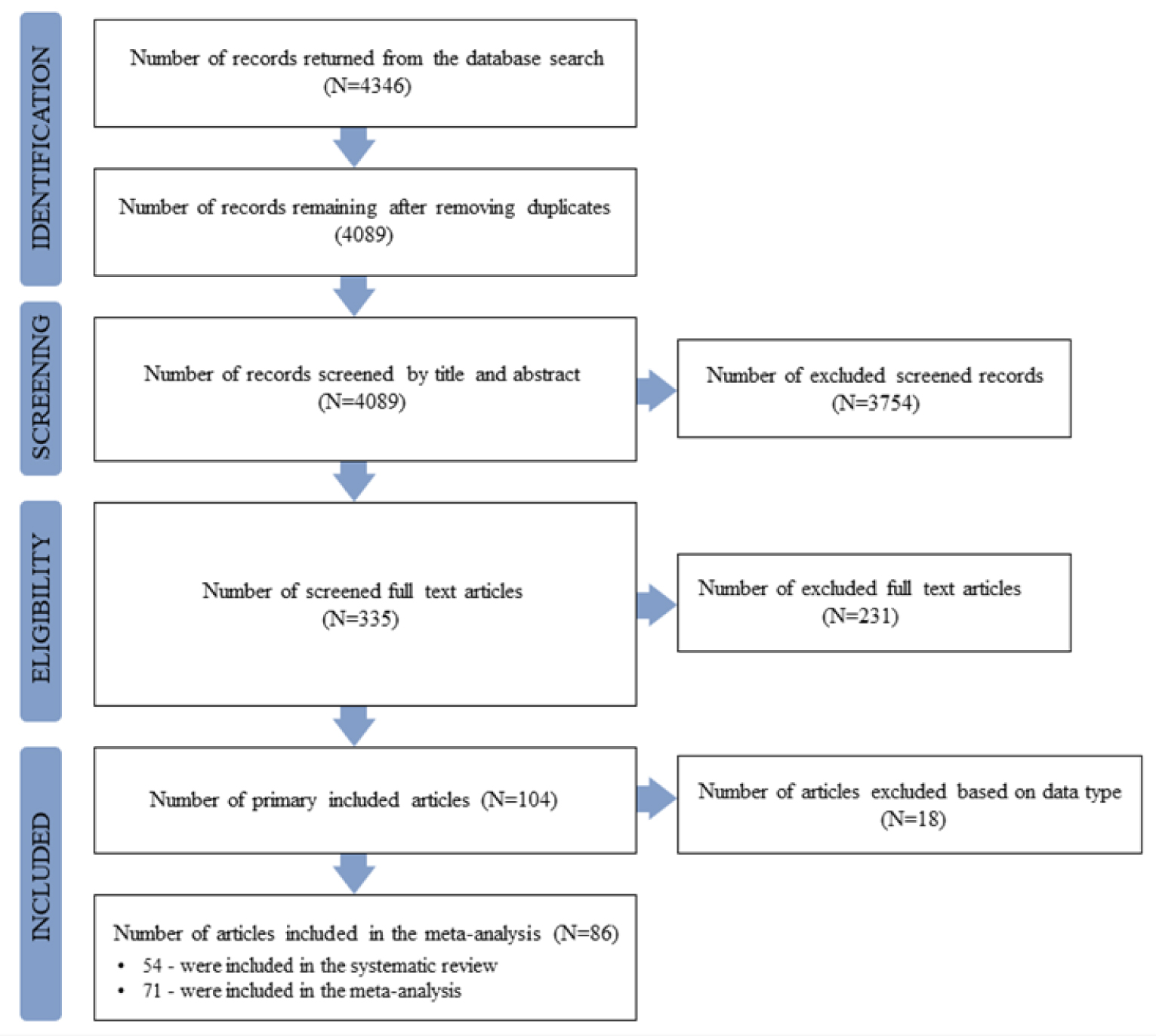
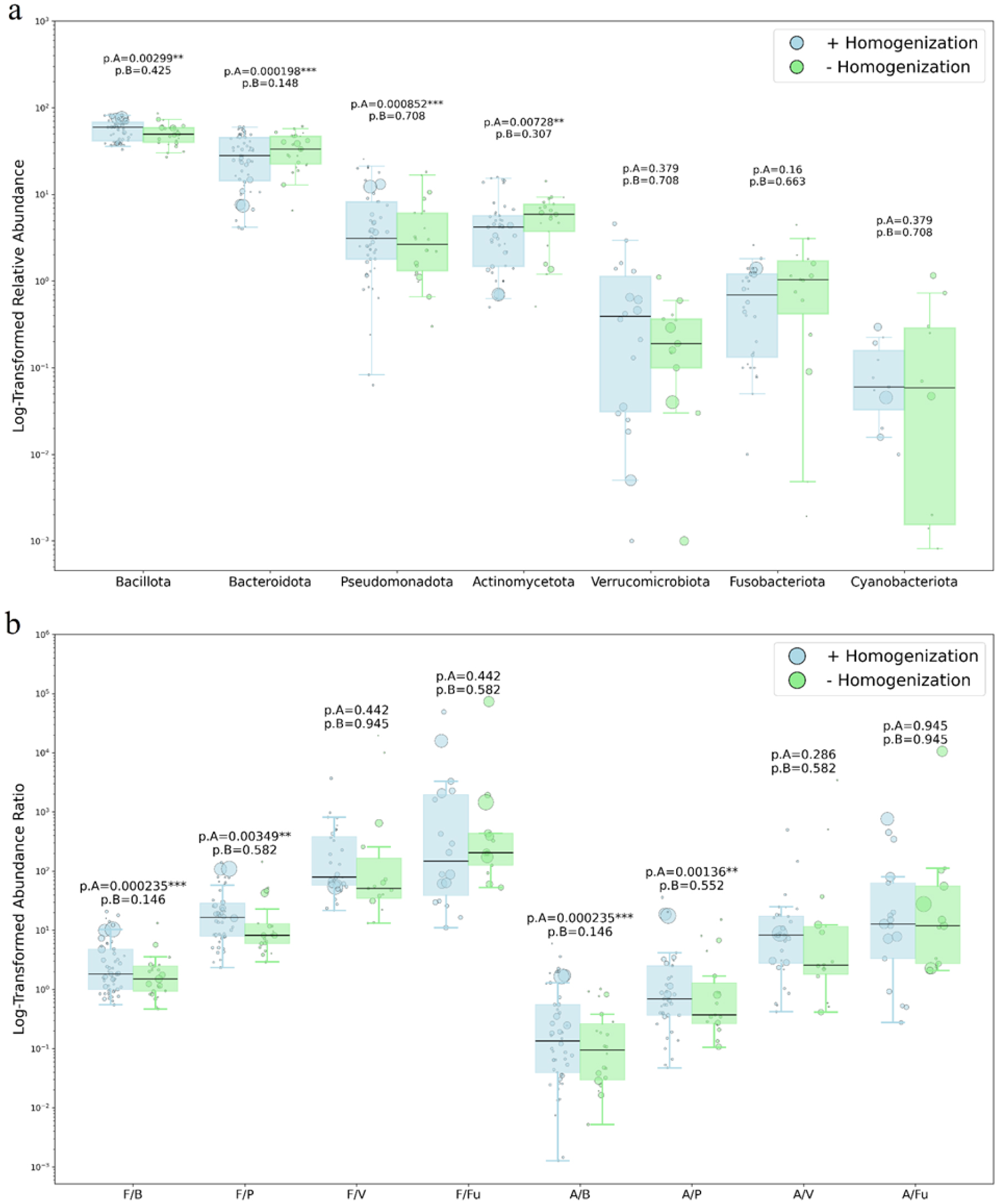
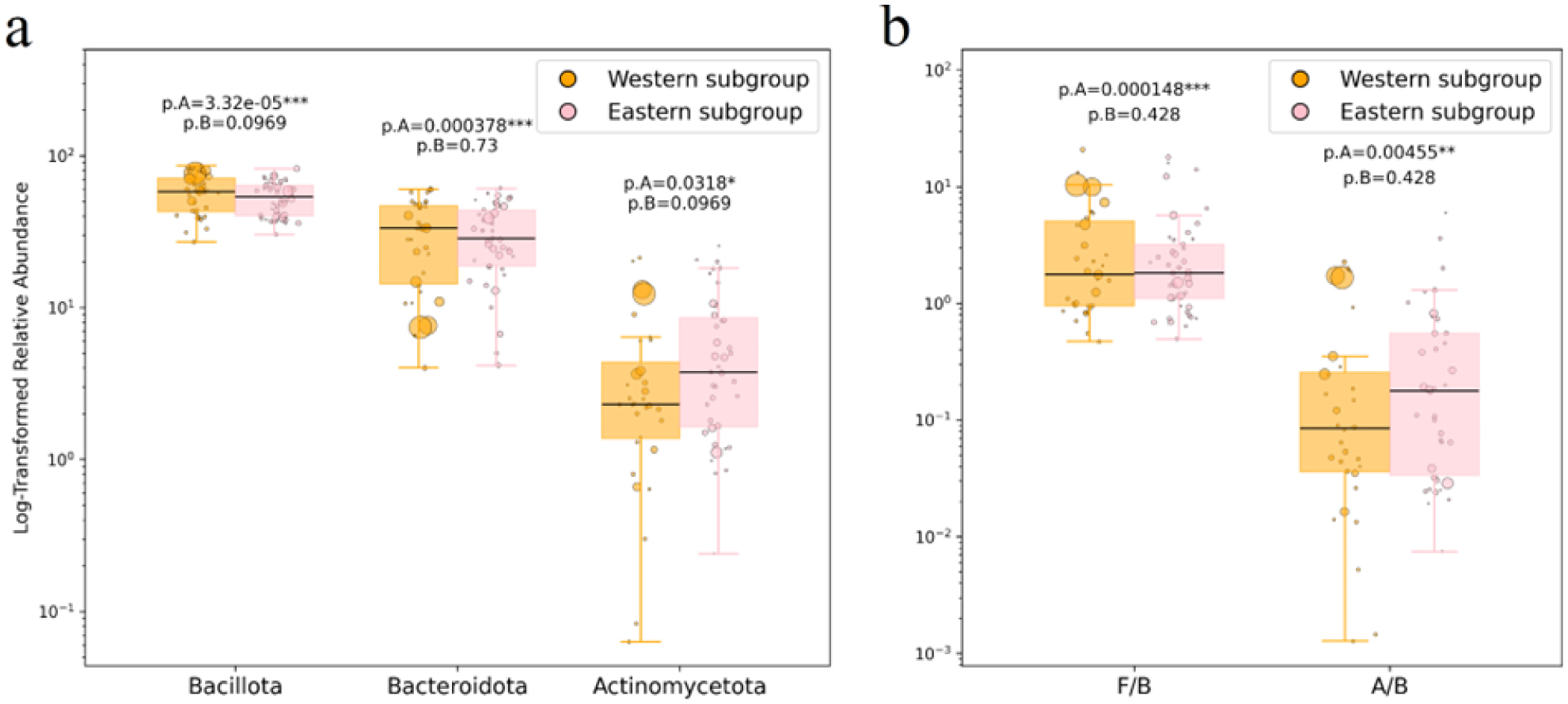
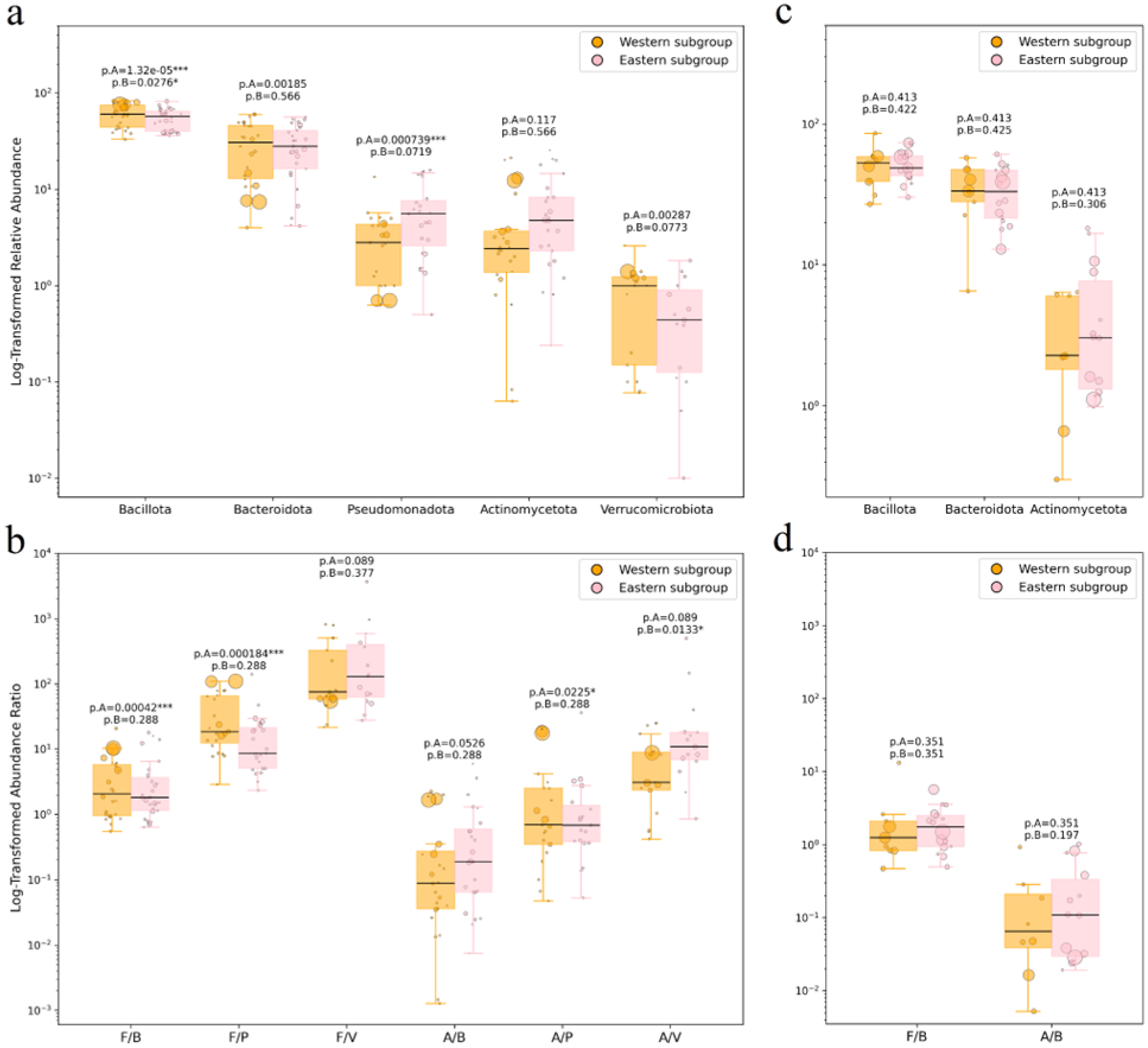
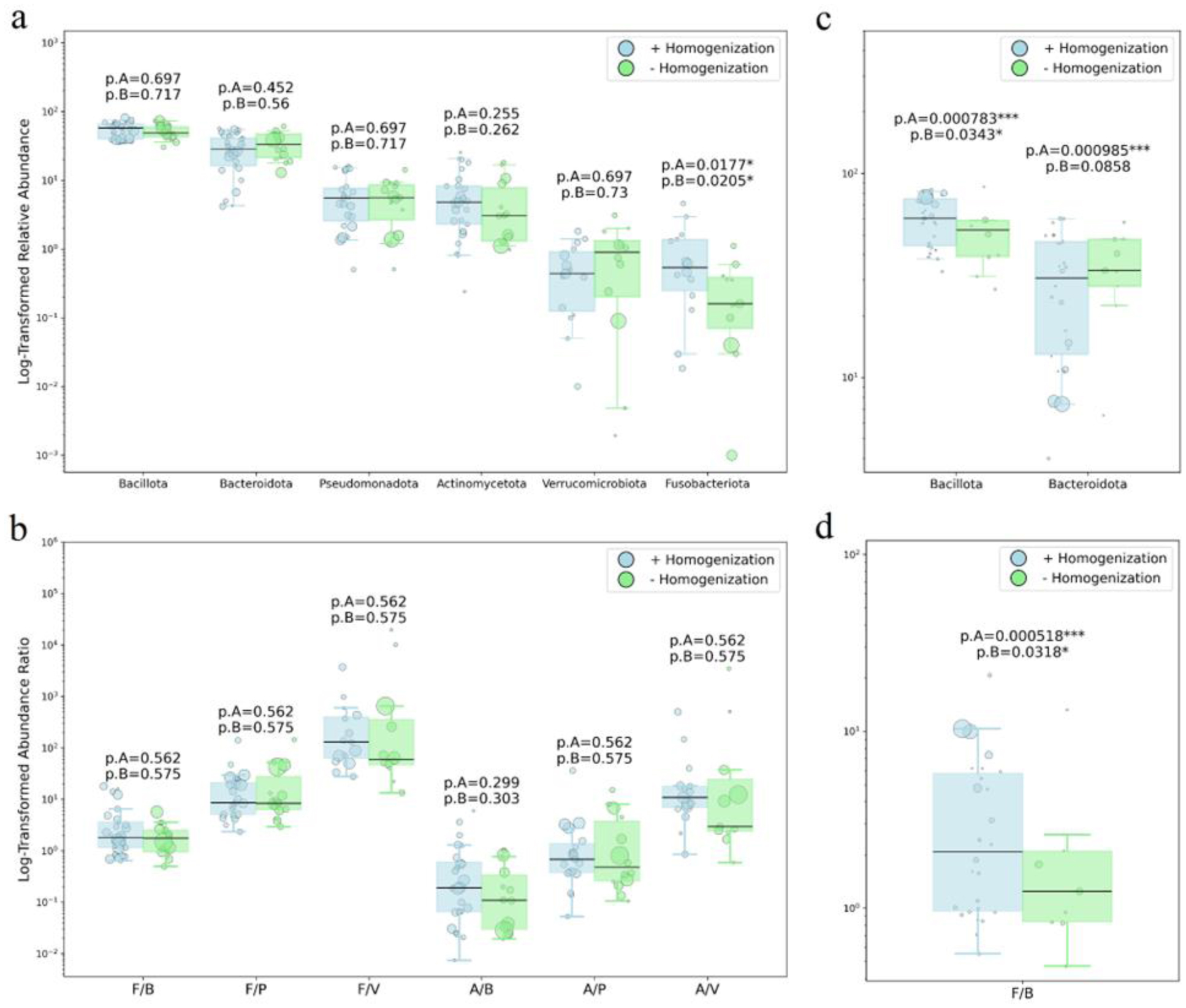
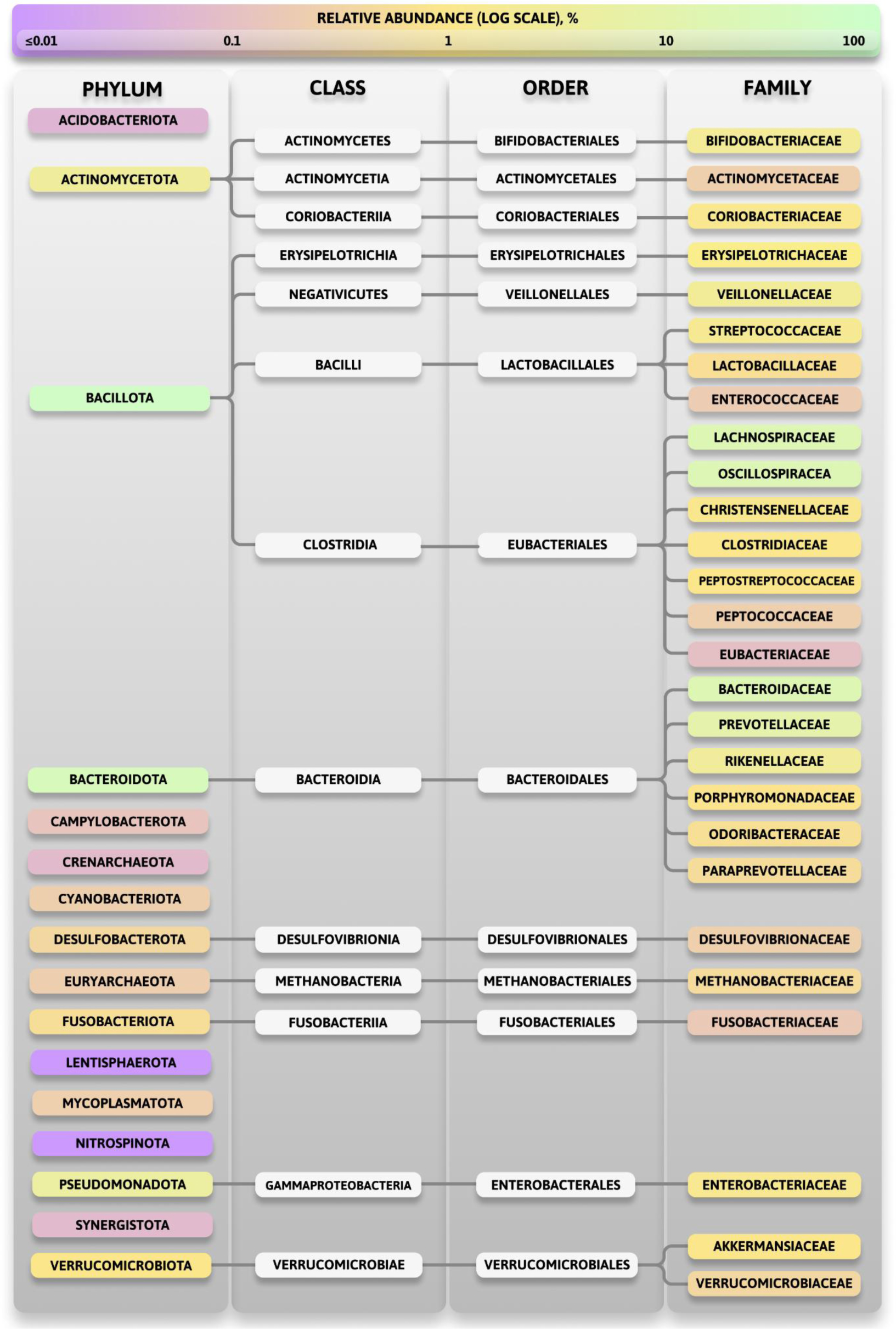
Of the 4,346 studies initially identified, 86 publications involving 20,748 unique participants met the quality criteria and were included in the analysis of the impact of fecal sample preparation on taxonomic composition. The phylotype composition, in relation to preprocessing methods and cohort locations, are presented as relative abundances (%): Bacillota (median 49.5–59.6%), Bacteroidota (28.0–33.4%), Pseudomonadota (3.4–5.9%), Actinomycetota (2.3–3.7%), Verrucomicrobiota (0.5–1.0%), Fusobacteriota (maximum 4.6%), and Euryarchaeota (maximum 2.11%). The content of 27 key family-level representatives was also evaluated. The well-known hypothesis regarding the influence of the homogenization stage on taxonomic composition was examined using generalized results.
While supported by a strong theoretical basis and evidence from individual practical cases, none of the phyla showed a statistically significant association and consistent relationship with sample preparation or cohort location when generalizing across studies after the two exceptionally large cohorts exclusion, both originating from a single research group. These findings underscore the need for strict methodological standardization in microbiome studies. Key features of the 16S NGS process accounting for these results are outlined, along with proposed optimizations for microbiome research.
Citation: Evgeniya Glazunova, Polina Molodtsova, Ilya Grabarnik, Alexander Kurnosov, Irina Bikaeva, German Shipulin, Olga Zlobovskaya. Healthy human gut microbiome: Towards standardized research[J]. AIMS Microbiology, 2025, 11(4): 786-820. doi: 10.3934/microbiol.2025034
An increasing number of international researchers are focusing on the taxonomic composition of fecal microbiota and its correlation with disorders. Thousands of researchers compare conditionally healthy cohorts to those with specific diseases to identify potential markers. However, clinical application requires assessing the feasibility of synthesizing these findings and establishing reference intervals for normal gut flora, at least at higher taxonomic levels.
This study involves a systematic review and meta-analysis of human gut microbiota research based on 16S rRNA gene next-generation sequencing (NGS). Relevant research was sourced following the PRISMA guidelines. Descriptive statistics, linear regression analysis by weighted least squares method, Mann-Whitney test, and Benjamini-Hochberg procedure adjustments were employed. The study has been registered with PROSPERO (CRD42023431467).
Of the 4,346 studies initially identified, 86 publications involving 20,748 unique participants met the quality criteria and were included in the analysis of the impact of fecal sample preparation on taxonomic composition. The phylotype composition, in relation to preprocessing methods and cohort locations, are presented as relative abundances (%): Bacillota (median 49.5–59.6%), Bacteroidota (28.0–33.4%), Pseudomonadota (3.4–5.9%), Actinomycetota (2.3–3.7%), Verrucomicrobiota (0.5–1.0%), Fusobacteriota (maximum 4.6%), and Euryarchaeota (maximum 2.11%). The content of 27 key family-level representatives was also evaluated. The well-known hypothesis regarding the influence of the homogenization stage on taxonomic composition was examined using generalized results.
While supported by a strong theoretical basis and evidence from individual practical cases, none of the phyla showed a statistically significant association and consistent relationship with sample preparation or cohort location when generalizing across studies after the two exceptionally large cohorts exclusion, both originating from a single research group. These findings underscore the need for strict methodological standardization in microbiome studies. Key features of the 16S NGS process accounting for these results are outlined, along with proposed optimizations for microbiome research.

| [1] | The Human Microbiome Project Consortium.A framework for human microbiome research. Nature (2012) 486: 215-221. https://doi.org/10.1038/nature11209 |
| [2] |
Wang WL, Xu SY, Ren ZG, et al. (2015) Application of metagenomics in the human gut microbiome. World J Gastroenterol 21: 803. https://doi.org/10.3748/wjg.v21.i3.803 
|
| [3] | Qin J, Li R, Raes J, et al. (2010) A human gut microbial gene catalogue established by metagenomic sequencing. Nature 464. https://doi.org/10.1038/nature08821 |
| [4] |
McDonald D, Hyde E, Debelius JW, et al. (2018) American gut: An open platform for citizen science microbiome research. mSystems 3. https://doi.org/10.1128/msystems.00031-18
|
| [5] |
Tigchelaar EF, Zhernakova A, Dekens JAM, et al. (2015) Cohort profile: LifeLines DEEP, a prospective, general population cohort study in the northern Netherlands: Study design and baseline characteristics. BMJ Open 5: e006772. https://doi.org/10.1136/bmjopen-2014-006772
|
| [6] |
Shah RM, McKenzie EJ, Rosin MT, et al. (2020) An integrated multi-disciplinary perspective for addressing challenges of the human gut microbiome. Metabolites 10: 94. https://doi.org/10.3390/metabo10030094
|
| [7] | Nikonova EL, Popova EN (2019) Microbiota: Monograph. Moscow: Media Sphere Publishing House. |
| [8] |
Yudina YuV, Korsunsky AA, Aminova AI, et al. (2019) Gut microbiota as a separate body system. Dokazatelnaya Gastroenterol 8: 36-43. https://doi.org/10.17116/dokgastro2019804-05136
|
| [9] |
Arumugam M, Raes J, Pelletier E, et al. (2011) Enterotypes of the human gut microbiome. Nature 473: 174-180. https://doi.org/10.1038/nature09944
|
| [10] |
Rinninella E, Raoul P, Cintoni M, et al. (2019) What is the healthy gut microbiota composition? A changing ecosystem across age, environment, diet, and diseases. Microorganisms 7: 14. https://doi.org/10.3390/microorganisms7010014
|
| [11] |
Abenavoli L, Scarpellini E, Colica C, et al. (2019) Gut microbiota and obesity: A role for probiotics. Nutrients 11: 2690. https://doi.org/10.3390/nu11112690
|
| [12] |
Gallè F, Valeriani F, Cattaruzza MS, et al. (2020) Mediterranean diet, physical activity and gut microbiome composition: A cross-sectional study among healthy young Italian adults. Nutrients 12: 2164. https://doi.org/10.3390/nu12072164
|
| [13] |
Lozupone CA, Stombaugh JI, Gordon JI, et al. (2012) Diversity, stability and resilience of the human gut microbiota. Nature 489: 220. https://doi.org/10.1038/NATURE11550
|
| [14] |
Mariat D, Firmesse O, Levenez F, et al. (2009) The Firmicutes/Bacteroidetes ratio of the human microbiota changes with age. BMC Microbiol 9: 123. https://doi.org/10.1186/1471-2180-9-123
|
| [15] |
Vacca M, Celano G, Calabrese FM, et al. (2020) The controversial role of human gut Lachnospiraceae. Microorganisms 8: 573. https://doi.org/10.3390/MICROORGANISMS8040573
|
| [16] |
Gill SR, Pop M, Deboy RT, et al. (2006) Metagenomic analysis of the human distal gut microbiome. Science 312: 1355-1359. https://doi.org/10.1126/science.1124234
|
| [17] |
Imhann F, Vich Vila A, Bonder MJ, et al. (2018) Interplay of host genetics and gut microbiota underlying the onset and clinical presentation of inflammatory bowel disease. Gut 67: 108-119. https://doi.org/10.1136/gutjnl-2016-312135
|
| [18] | Sheybak VM (2015) Human gut microbes and its influence on metabolism. Educ Establ Grodno State Med Univ : 37-42. |
| [19] |
Feng Q, Liang S, Jia H, et al. (2015) Gut microbiome development along the colorectal adenoma–carcinoma sequence. Nat Commun 6: 6528. https://doi.org/10.1038/ncomms7528
|
| [20] |
Lazar V, Ditu L-M, Pircalabioru GG, et al. (2018) Aspects of gut microbiota and immune system interactions in infectious diseases, immunopathology, and cancer. Front Immunol 9: 1830. https://doi.org/10.3389/fimmu.2018.01830
|
| [21] |
Song M, Chan AT, Sun J (2020) Influence of the gut microbiome, diet, and environment on risk of colorectal cancer. Gastroenterology 158: 322-340. https://doi.org/10.1053/j.gastro.2019.06.048
|
| [22] |
Sorbara MT, Littmann ER, Fontana E, et al. (2020) Functional and genomic variation between human-derived isolates of Lachnospiraceae reveals inter- and intra-species diversity. Cell Host Microbe 28: 134-146.E4. https://doi.org/10.1016/j.chom.2020.05.005
|
| [23] |
Elhag DA, Kumar M, Al Khodor S (2020) Exploring the triple interaction between the host genome, the epigenome, and the gut microbiome in type 1 diabetes. Int J Mol Sci 22: 125. https://doi.org/10.3390/ijms22010125
|
| [24] |
Mitsou EK, Detopoulou M, Kakali A, et al. (2019) Mining possible associations of faecal A. muciniphila colonisation patterns with host adiposity and cardiometabolic markers in an adult population. Benef Microbes 10: 741-749. https://doi.org/10.3920/BM2019.0033
|
| [25] |
Ottman N, Reunanen J, Meijerink M, et al. (2017) Pili-like proteins of Akkermansia muciniphila modulate host immune responses and gut barrier function. PLOS ONE 12: e0173004. https://doi.org/10.1371/journal.pone.0173004
|
| [26] |
Topping DL, Clifton PM (2001) Short-chain fatty acids and human colonic function: Roles of resistant starch and nonstarch polysaccharides. Physiol Rev 81: 1031-1064. https://doi.org/10.1152/physrev.2001.81.3.1031
|
| [27] |
Deering KE, Devine A, O'Sullivan TA, et al. (2019) Characterizing the composition of the pediatric gut microbiome: A systematic review. Nutrients 12: 16. https://doi.org/10.3390/nu12010016
|
| [28] |
Hiippala K, Jouhten H, Ronkainen A, et al. (2018) The potential of gut commensals in reinforcing intestinal barrier function and alleviating inflammation. Nutrients 10: 988. https://doi.org/10.3390/nu10080988
|
| [29] |
Könönen E, Wade WG (2015) Actinomyces and related organisms in human infections. Clin Microbiol Rev 28: 419-442. https://doi.org/10.1128/CMR.00100-14
|
| [30] |
Stojanov S, Berlec A, Štrukelj B (2020) The influence of probiotics on the Firmicutes/Bacteroidetes ratio in the treatment of obesity and inflammatory bowel disease. Microorganisms 8: 1715. https://doi.org/10.3390/microorganisms8111715
|
| [31] | Bikaeva IO, Zlobovskaya OA, Shipulin GA The choice of method for DNA isolation from fecal material affects the defined bacterial community composition (2021). |
| [32] |
Costea PI, Zeller G, Sunagawa S, et al. (2017) Towards standards for human fecal sample processing in metagenomic studies. Nat Biotechnol 35: 1069-1076. https://doi.org/10.1038/nbt.3960
|
| [33] |
Santiago A, Panda S, Mengels G, et al. (2014) Processing faecal samples: A step forward for standards in microbial community analysis. BMC Microbiol 14: 112. https://doi.org/10.1186/1471-2180-14-112
|
| [34] | IHMS (International Human Microbiome Standards). Available from: https://human-microbiome.org/index.php |
| [35] | Dore J, Ehrlich SD, Levenez F, et al. IHMS_SOP 07 V2: Standard operating procedure for fecal samples DNA extraction, Protocol H (2015). |
| [36] | Dore J, Ehrlich SD, Levenez F, et al. IHMS_SOP 06 V3: Standard operating procedure for fecal samples DNA extraction, Protocol Q (2020). |
| [37] |
Zakerska-Banaszak O, Tomczak H, Gabryel M, et al. (2021) Dysbiosis of gut microbiota in Polish patients with ulcerative colitis: A pilot study. Sci Rep 11: 2166. https://doi.org/10.1038/s41598-021-81628-3
|
| [38] |
Barengolts E, Green SJ, Eisenberg Y, et al. (2018) Gut microbiota varies by opioid use, circulating leptin and oxytocin in African American men with diabetes and high burden of chronic disease. PLoS ONE 13: e0194171. https://doi.org/10.1371/JOURNAL.PONE.0194171
|
| [39] |
Sisti D, Pazienza V, Piccini F, et al. (2022) A proposal for the reference intervals of the Italian microbiota “scaffold” in healthy adults. Sci Rep 12: 3952. https://doi.org/10.1038/s41598-022-08000-x
|
| [40] |
Cano-Ortiz A, Laborda-Illanes A, Plaza-Andrades I, et al. (2020) Connection between the gut microbiome, systemic inflammation, gut permeability and FOXP3 expression in patients with primary Sjögren's syndrome. Int J Mol Sci 21: 8733. https://doi.org/10.3390/ijms21228733
|
| [41] |
Borgo F, Riva A, Benetti A, et al. (2017) Microbiota in anorexia nervosa: The triangle between bacterial species, metabolites and psychological tests. PLOS ONE 12: e0179739. https://doi.org/10.1371/journal.pone.0179739
|
| [42] |
Hiel S, Bindels LB, Pachikian BD, et al. (2019) Effects of a diet based on inulin-rich vegetables on gut health and nutritional behavior in healthy humans. Am J Clin Nutr 109: 1683-1695. https://doi.org/10.1093/ajcn/nqz001
|
| [43] |
Sugurmar ANK, Mohd R, Shah SA, et al. (2021) Gut microbiota in immunoglobulin A nephropathy: A Malaysian perspective. BMC Nephrol 22: 145. https://doi.org/10.1186/s12882-021-02315-z
|
| [44] |
Pallav K, Dowd SE, Villafuerte J, et al. (2014) Effects of polysaccharopeptide from Trametes versicolor and amoxicillin on the gut microbiome of healthy volunteers. Gut Microbes 5: 458-467. https://doi.org/10.4161/gmic.29558
|
| [45] |
Santoru ML, Piras C, Murgia A, et al. (2017) Cross sectional evaluation of the gut-microbiome metabolome axis in an Italian cohort of IBD patients. Sci Rep 7: 9523. https://doi.org/10.1038/s41598-017-10034-5
|
| [46] |
Hou Q, Zhao F, Liu W, et al. (2020) Probiotic-directed modulation of gut microbiota is basal microbiome dependent. Gut Microbes 12: 1736974. https://doi.org/10.1080/19490976.2020.1736974
|
| [47] |
Kim SW, Suda W, Kim S, et al. (2013) Robustness of gut microbiota of healthy adults in response to probiotic intervention revealed by high-throughput pyrosequencing. DNA Res 20: 241-253. https://doi.org/10.1093/dnares/dst006
|
| [48] |
Das T, Jayasudha R, Chakravarthy S, et al. (2021) Alterations in the gut bacterial microbiome in people with type 2 diabetes mellitus and diabetic retinopathy. Sci Rep 11: 2738. https://doi.org/10.1038/s41598-021-82538-0
|
| [49] |
Wong VWS, Tse CH, Lam TTY, et al. (2013) Molecular characterization of the fecal microbiota in patients with nonalcoholic steatohepatitis—a longitudinal study. PLoS ONE 8: e62885. https://doi.org/10.1371/journal.pone.0062885
|
| [50] |
Sun XZ, Zhao DY, Zhou YC, et al. (2020) Alteration of fecal tryptophan metabolism correlates with shifted microbiota and may be involved in pathogenesis of colorectal cancer. World J Gastroenterol 26: 7173-7188. https://doi.org/10.3748/wjg.v26.i45.7173
|
| [51] |
Page MJ, McKenzie JE, Bossuyt PM, et al. (2021) The PRISMA 2020 statement: An updated guideline for reporting systematic reviews. BMJ 372: n71. https://doi.org/10.1136/bmj.n71
|
| [52] | NCBI [Internet]. Available from: https://www.ncbi.nlm.nih.gov/ |
| [53] | Rebrova O. Yu, Fediaeva V. K. (2016) The questionnaire to assess the risk of systematic bias in non-randomized comparative studies: The Russian-language version of the Newcastle-Ottawa scale. Med Technol Assess Choice : 14-19. |
| [54] | Rebrova OY, Fediaeva VK, Khachatryan GR (2015) Adaptation and validation of the cochrane questionnarie to assess risks of bias in randomized controlled trials. Med Technol Assess Choice : 9-17. |
| [55] |
Shea BJ, Grimshaw JM, Wells GA, et al. (2007) Development of AMSTAR: A measurement tool to assess the methodological quality of systematic reviews. BMC Med Res Methodol 7: 10. https://doi.org/10.1186/1471-2288-7-10
|
| [56] | SCImago Journal & Country Rank SCImago, (n.d.). SJR. [Internet]. Available from: https://www.scimagojr.com/ |
| [57] |
Senina A, Markelova M, Khusnutdinova D, et al. (2024) Two-year study on the intra-individual dynamics of gut microbiota and short-chain fatty acids profiles in healthy adults. Microorganisms 12: 1712. https://doi.org/10.3390/microorganisms12081712
|
| [58] |
Reimer RA, Soto-Vaca A, Nicolucci AC, et al. (2020) Effect of chicory inulin-type fructan–containing snack bars on the human gut microbiota in low dietary fiber consumers in a randomized crossover trial. Am J Clin Nutr 111: 1286-1296. https://doi.org/10.1093/ajcn/nqaa074
|
| [59] |
Kalyana Chakravarthy S, Jayasudha R, Ranjith K, et al. (2018) Alterations in the gut bacterial microbiome in fungal keratitis patients. PLOS ONE 13: e0199640. https://doi.org/10.1371/journal.pone.0199640
|
| [60] |
Li F, Wang M, Wang J, et al. (2019) Alterations to the gut microbiota and their correlation with inflammatory factors in chronic kidney disease. Front Cell Infect Microbiol 9: 206. https://doi.org/10.3389/fcimb.2019.00206
|
| [61] |
Yang Y, Misra BB, Liang L, et al. (2019) Integrated microbiome and metabolome analysis reveals a novel interplay between commensal bacteria and metabolites in colorectal cancer. Theranostics 9: 4101-4114. https://doi.org/10.7150/thno.35186
|
| [62] |
Liu W, Zhang R, Shu R, et al. (2020) Study of the relationship between microbiome and colorectal cancer susceptibility using 16SrRNA sequencing. BioMed Res Int 2020: 7828392. https://doi.org/10.1155/2020/7828392
|
| [63] |
Ren Z, Fan Y, Li A, et al. (2020) Alterations of the human gut microbiome in chronic kidney disease. Adv Sci 7: 2001936. https://doi.org/10.1002/advs.202001936
|
| [64] |
Jiao B, Cao X, Zhang C, et al. (2023) Alterations of the gut microbiota in patients with postherpetic neuralgia. AMB Express 13: 108. https://doi.org/10.1186/s13568-023-01614-y
|
| [65] |
Yoon H, Park S, Jun YK, et al. (2023) Evaluation of bacterial and fungal biomarkers for differentiation and prognosis of patients with inflammatory bowel disease. Microorganisms 11: 2882. https://doi.org/10.3390/microorganisms11122882
|
| [66] |
Kumar S, Mahajan S, Kale D, et al. (2024) Insights into the gut microbiome of vitiligo patients from India. BMC Microbiol 24: 440. https://doi.org/10.1186/s12866-024-03529-5
|
| [67] |
Lee SM, Kim N, Yoon H, et al. (2021) Compositional and functional changes in the gut microbiota in irritable bowel syndrome patients. Gut Liver 15: 253-261. https://doi.org/10.5009/gnl19379
|
| [68] |
Yu X, Ge P, Zhai Y, et al. (2023) Gut microbiota in adults with Moyamoya disease: Characteristics and biomarker identification. Front Cell Infect Microbiol 13: 1252681. https://doi.org/10.3389/fcimb.2023.1252681
|
| [69] |
Chávez-Carbajal A, Nirmalkar K, Pérez-Lizaur A, et al. (2019) Gut microbiota and predicted metabolic pathways in a sample of Mexican women affected by obesity and obesity plus metabolic syndrome. Int J Mol Sci 20: 438. https://doi.org/10.3390/ijms20020438
|
| [70] |
Chávez-Carbajal A, Pizano-Zárate ML, Hernández-Quiroz F, et al. (2020) Characterization of the gut microbiota of individuals at different T2D stages reveals a complex relationship with the host. Microorganisms 8: 94. https://doi.org/10.3390/microorganisms8010094
|
| [71] |
Higuchi BS, Rodrigues N, Gonzaga MI, et al. (2018) Intestinal dysbiosis in autoimmune diabetes is correlated with poor glycemic control and increased interleukin-6: A pilot study. Front Immunol 9: 1689. https://doi.org/10.3389/fimmu.2018.01689
|
| [72] |
Leite AZ, Rodrigues N de C, Gonzaga MI, et al. (2017) Detection of increased plasma interleukin-6 levels and prevalence of Prevotella copri and Bacteroides vulgatus in the feces of type 2 diabetes patients. Front Immunol 8: 1107. https://doi.org/10.3389/fimmu.2017.01107
|
| [73] |
Grosicki GJ, Riemann BL, Flatt AA, et al. (2020) Self-reported sleep quality is associated with gut microbiome composition in young, healthy individuals: A pilot study. Sleep Med 73: 76-81. https://doi.org/10.1016/j.sleep.2020.04.013
|
| [74] |
Bressa C, Bailén-Andrino M, Pérez-Santiago J, et al. (2017) Differences in gut microbiota profile between women with active lifestyle and sedentary women. PLOS ONE 12: e0171352. https://doi.org/10.1371/journal.pone.0171352
|
| [75] |
Zhernakova A, Kurilshikov A, Bonder MJ, et al. (2016) Population-based metagenomics analysis reveals markers for gut microbiome composition and diversity. Science 352: 565-569. https://doi.org/10.1126/science.aad3369
|
| [76] |
Davis LMG, Martínez I, Walter J, et al. (2011) Barcoded pyrosequencing reveals that consumption of galactooligosaccharides results in a highly specific bifidogenic response in humans. PLoS ONE 6: e25200. https://doi.org/10.1371/journal.pone.0025200
|
| [77] |
Tap J, Mondot S, Levenez F, et al. (2009) Towards the human intestinal microbiota phylogenetic core. Environ Microbiol 11: 2574-2584. https://doi.org/10.1111/j.1462-2920.2009.01982.x
|
| [78] |
Bombin A, Yan S, Bombin S, et al. (2022) Obesity influences composition of salivary and fecal microbiota and impacts the interactions between bacterial taxa. Physiol Rep 10: e15254. https://doi.org/10.14814/phy2.15254
|
| [79] |
Martínez I, Kim J, Duffy PR, et al. (2010) Resistant starches types 2 and 4 have differential effects on the composition of the fecal microbiota in human subjects. PLoS ONE 5: e15046. https://doi.org/10.1371/journal.pone.0015046
|
| [80] |
Bezek K, Petelin A, Pražnikar J, et al. (2020) Obesity measures and dietary parameters as predictors of gut microbiota phyla in healthy individuals. Nutrients 12: 2695. https://doi.org/10.3390/nu12092695
|
| [81] |
Volokh O, Klimenko N, Berezhnaya Y, et al. (2019) Human gut microbiome response induced by fermented dairy product intake in healthy volunteers. Nutrients 11: 547. https://doi.org/10.3390/nu11030547
|
| [82] |
González-Zancada N, Redondo-Useros N, Díaz LE, et al. (2020) Association of moderate beer consumption with the gut microbiota and SCFA of healthy adults. Molecules 25: 3126-3138. https://doi.org/10.3390/molecules25204772
|
| [83] |
Larsen N, Vogensen FK, van den Berg FWJ, et al. (2010) Gut microbiota in human adults with type 2 diabetes differs from non-diabetic adults. PLoS ONE 5: e9085. https://doi.org/10.1371/journal.pone.0009085
|
| [84] |
Hansen TH, Thomassen MT, Madsen ML, et al. (2018) The effect of drinking water pH on the human gut microbiota and glucose regulation: Results of a randomized controlled cross-over intervention. Sci Rep 8: 16626. https://doi.org/10.1038/s41598-018-34761-5
|
| [85] |
Granado-Serrano AB, Martín-Garí M, Sánchez V, et al. (2019) Faecal bacterial and short-chain fatty acids signature in hypercholesterolemia. Sci Rep 9: 1772. https://doi.org/10.1038/s41598-019-38874-3
|
| [86] |
Bjørkhaug ST, Aanes H, Neupane SP, et al. (2019) Characterization of gut microbiota composition and functions in patients with chronic alcohol overconsumption. Gut Microbes 10: 663-675. https://doi.org/10.1080/19490976.2019.1580097
|
| [87] |
Dei-Cas I, Giliberto F, Luce L, et al. (2020) Metagenomic analysis of gut microbiota in non-treated plaque psoriasis patients stratified by disease severity: Development of a new Psoriasis-Microbiome Index. Sci Rep 10: 12754. https://doi.org/10.1038/s41598-020-69537-3
|
| [88] |
Wasser CI, Mercieca EC, Kong G, et al. (2020) Gut dysbiosis in Huntington's disease: Associations among gut microbiota, cognitive performance and clinical outcomes. Brain Commun 2: fcaa110. https://doi.org/10.1093/braincomms/fcaa110
|
| [89] |
Fernandez-Sanjurjo M, Fernandez J, Martinez-Camblor P, et al. (2024) Dynamics of gut microbiota and short-chain fatty acids during a cycling grand tour are related to exercise performance and modulated by dietary intake. Nutrients 16: 661. https://doi.org/10.3390/nu16050661
|
| [90] |
Benedict C, Vogel H, Jonas W, et al. (2016) Gut microbiota and glucometabolic alterations in response to recurrent partial sleep deprivation in normal-weight young individuals. Mol Metab 5: 1175-1186. https://doi.org/10.1016/j.molmet.2016.10.003
|
| [91] |
Ruiz-Saavedra S, Arboleya S, Nogacka AM, et al. (2023) Commensal fecal microbiota profiles associated with initial stages of intestinal mucosa damage: A pilot study. Cancers 16: 104. https://doi.org/10.3390/cancers16010104
|
| [92] |
Su J, Wang Y, Zhang X, et al. (2021) Remodeling of the gut microbiome during Ramadan-associated intermittent fasting. Am J Clin Nutr 113: 1332-1342. https://doi.org/10.1093/ajcn/nqaa388
|
| [93] |
Kurahashi A, Enomoto T, Oguro Y, et al. (2021) Intake of koji amazake improves defecation frequency in healthy adults. J Fungi 7: 782. https://doi.org/10.3390/jof7090782
|
| [94] |
Li M, Wang B, Zhang M, et al. (2008) Symbiotic gut microbes modulate human metabolic phenotypes. Proc Natl Acad Sci 105: 2117-2122. https://doi.org/10.1073/pnas.0712038105
|
| [95] |
Wang B, Jiang X, Cao M, et al. (2016) Altered fecal microbiota correlates with liver biochemistry in nonobese patients with non-alcoholic fatty liver disease. Sci Rep 6: 32002. https://doi.org/10.1038/srep32002
|
| [96] |
Eun CS, Kwak MJ, Han DS, et al. (2016) Does the intestinal microbial community of Korean Crohn's disease patients differ from that of Western patients?. BMC Gastroenterol 16: 28. https://doi.org/10.1186/s12876-016-0437-0
|
| [97] |
Kasai C, Sugimoto K, Moritani I, et al. (2015) Comparison of the gut microbiota composition between obese and non-obese individuals in a Japanese population, as analyzed by terminal restriction fragment length polymorphism and next-generation sequencing. BMC Gastroenterol 15: 100. https://doi.org/10.1186/s12876-015-0330-2
|
| [98] |
Nam YD, Jung MJ, Roh SW, et al. (2011) Comparative analysis of Korean human gut microbiota by barcoded pyrosequencing. PLoS ONE 6: e22109. https://doi.org/10.1371/journal.pone.0022109
|
| [99] |
Tsai MC, Liu YY, Lin CC, et al. (2020) Gut microbiota dysbiosis in patients with biopsy-proven nonalcoholic fatty liver disease: A cross-sectional study in Taiwan. Nutrients 12: 820. https://doi.org/10.3390/nu12030820
|
| [100] |
Chen HM, Yu YN, Wang JL, et al. (2013) Decreased dietary fiber intake and structural alteration of gut microbiota in patients with advanced colorectal adenoma. Am J Clin Nutr 97: 1044-1052. https://doi.org/10.3945/ajcn.112.046607
|
| [101] |
Raethong N, Nakphaichit M, Suratannon N, et al. (2021) Analysis of human gut microbiome: Taxonomy and metabolic functions in Thai adults. Genes 12: 331. https://doi.org/10.3390/genes12030331
|
| [102] |
Jain A, Li XH, Chen WN (2018) Similarities and differences in gut microbiome composition correlate with dietary patterns of Indian and Chinese adults. AMB Express 8: 104. https://doi.org/10.1186/s13568-018-0632-1
|
| [103] |
Ahmad A, Yang W, Chen G, et al. (2019) Analysis of gut microbiota of obese individuals with type 2 diabetes and healthy individuals. PLOS ONE 14: e0226372. https://doi.org/10.1371/journal.pone.0226372
|
| [104] |
Shen Y, Xu J, Li Z, et al. (2018) Analysis of gut microbiota diversity and auxiliary diagnosis as a biomarker in patients with schizophrenia: A cross-sectional study. Schizophr Res 197: 470-477. https://doi.org/10.1016/j.schres.2018.01.002
|
| [105] |
Zhuang X, Tian Z, Li L, et al. (2018) Fecal microbiota alterations associated with diarrhea-predominant irritable bowel syndrome. Front Microbiol 9: 1600. https://doi.org/10.3389/fmicb.2018.01600
|
| [106] |
Liu F, Fan C, Zhang L, et al. (2020) Alterations of gut microbiome in Tibetan patients with coronary heart disease. Front Cell Infect Microbiol 10: 373. https://doi.org/10.3389/fcimb.2020.00373
|
| [107] |
Oh JH, Lee JH, Cho MS, et al. (2021) Characterization of gut microbiome in Korean patients with metabolic associated fatty liver disease. Nutrients 13: 1013. https://doi.org/10.3390/nu13031013
|
| [108] |
Zhang YK, Zhang Q, Wang YL, et al. (2021) A comparison study of age and colorectal cancer-related gut bacteria. Front Cell Infect Microbiol 11: 606490. https://doi.org/10.3389/fcimb.2021.606490
|
| [109] |
Zhang P, Fang J, Li G, et al. (2021) Sex differences in fecal microbiota correlation with physiological and biochemical indices associated with end-stage renal disease caused by immunoglobulin a nephropathy or diabetes. Front Microbiol 12: 752393. https://doi.org/10.3389/fmicb.2021.752393
|
| [110] |
Zhang Z, Zhu L, Ma Y, et al. (2022) Study on the characteristics of intestinal flora composition in gastric cancer patients and healthy people in the Qinghai-Tibet plateau. Appl Biochem Biotechnol 194: 1510-1526. https://doi.org/10.1007/s12010-021-03732-4
|
| [111] |
Song ST, Cai LY, Zeng X, et al. (2022) Gut microbial profile in asymptomatic gallstones. Front Microbiol 13: 882265. https://doi.org/10.3389/fmicb.2022.882265
|
| [112] |
Ito A, Matsui Y, Takeshita M, et al. (2023) Gut microbiota-mediated associations of green tea and catechin intakes with glucose metabolism in individuals without type 2 diabetes mellitus: A four-season observational study with mediation analysis. Arch Microbiol 205: 191. https://doi.org/10.1007/s00203-023-03522-y
|
| [113] |
Gao M, Wu J, Zhou S, et al. (2024) Combining fecal microbiome and metabolomics reveals diagnostic biomarkers for esophageal squamous cell carcinoma. Microbiol Spectr 12: e04012-23. https://doi.org/10.1128/spectrum.04012-23
|
| [114] | Zhu L, Ma Z, Ren M, et al. (2020) Distinct features of gut microbiota in high-altitude Tibetan and middle-altitude Han hypertensive patients. Cardiol Res Pract 2020: 1-15. https://doi.org/10.1155/2020/1957843 |
| [115] |
Feng Y, Duan Y, Xu Z, et al. (2019) An examination of data from the American Gut Project reveals that the dominance of the genus Bifidobacterium is associated with the diversity and robustness of the gut microbiota. MicrobiologyOpen 8: e939. https://doi.org/10.1002/mbo3.939
|
| [116] |
Blatchford P, Stoklosinski H, Eady S, et al. (2017) Consumption of kiwifruit capsules increases Faecalibacterium prausnitzii abundance in functionally constipated individuals: A randomised controlled human trial. J Nutr Sci 6: e52. https://doi.org/10.1017/jns.2017.52
|
| [117] |
McLellan SL, Huse SM, Mueller-Spitz SR, et al. (2010) Diversity and population structure of sewage-derived microorganisms in wastewater treatment plant influent. Environ Microbiol 12: 378-392. https://doi.org/10.1111/j.1462-2920.2009.02075.x
|
| [118] |
Shen F, Zheng RD, Sun XQ, et al. (2017) Gut microbiota dysbiosis in patients with non-alcoholic fatty liver disease. Hepatobiliary Pancreat Dis Int 16: 375-381. https://doi.org/10.1016/S1499-3872(17)60019-5
|
| [119] |
Pinna NK, Anjana RM, Saxena S, et al. (2021) Trans-ethnic gut microbial signatures of prediabetic subjects from India and Denmark. Genome Med 13: 36. https://doi.org/10.1186/s13073-021-00851-9
|
| [120] |
Yeoh YK, Chen Z, Wong MCS, et al. (2020) Southern Chinese populations harbour non-nucleatum Fusobacteria possessing homologues of the colorectal cancer-associated FadA virulence factor. Gut 69: 1998-2007. https://doi.org/10.1136/gutjnl-2019-319635
|
| [121] |
Wang S, Yang L, Hu H, et al. (2022) Characteristic gut microbiota and metabolic changes in patients with pulmonary tuberculosis. Microb Biotechnol 15: 262-275. https://doi.org/10.1111/1751-7915.13761
|
| [122] |
Fontana A, Manchia M, Panebianco C, et al. (2020) Exploring the role of gut microbiota in major depressive disorder and in treatment resistance to antidepressants. Biomedicines 8: 311. https://doi.org/10.3390/biomedicines8090311
|
| [123] |
Zheng P, Zeng B, Zhou C, et al. (2016) Gut microbiome remodeling induces depressive-like behaviors through a pathway mediated by the host's metabolism. Mol Psychiatry 21: 786-796. https://doi.org/10.1038/mp.2016.44
|
| [124] |
Rodríguez-Díaz C, Martín-Reyes F, Taminiau B, et al. (2023) The metagenomic composition and effects of fecal-microbe-derived extracellular vesicles on intestinal permeability depend on the patient's disease. Int J Mol Sci 24: 4971. https://doi.org/10.3390/ijms24054971
|
| [125] |
Ceccarani C, Bassanini G, Montanari C, et al. (2020) Proteobacteria overgrowth and butyrate-producing taxa depletion in the gut microbiota of glycogen storage disease type 1 patients. Metabolites 10: 133. https://doi.org/10.3390/metabo10040133
|
| [126] |
Yang Y, Du L, Shi D, et al. (2021) Dysbiosis of human gut microbiome in young-onset colorectal cancer. Nat Commun 12: 6757. https://doi.org/10.1038/s41467-021-27112-y
|
| [127] |
Granado-Serrano AB, Martín-Garí M, Sánchez V, et al. (2019) Faecal bacterial and short-chain fatty acids signature in hypercholesterolemia. Sci Rep 9: 11915. https://doi.org/10.1038/s41598-019-38874-3
|
| [128] | Glazunova E, Kurnosov A, Zlobovskaya O (2024) Gut dysbiosis and сolorectal cancer: From carcinogenesis hypotheses to non-invasive diagnostics. Bull Russ State Med Univ 5: 4. https://doi.org/10.24075/vrgmu.2024.046 |
| [129] |
Roesch LFW, Casella G, Simell O, et al. (2009) Influence of fecal sample storage on bacterial community diversity. Open Microbiol J 3: 40-46. https://doi.org/10.2174/1874285800903010040
|
| [130] |
Gohl DM, Vangay P, Garbe J, et al. (2016) Systematic improvement of amplicon marker gene methods for increased accuracy in microbiome studies. Nat Biotechnol 34: 942-949. https://doi.org/10.1038/nbt.3601
|
| [131] | Tremblay J, Singh K, Fern A, et al. (2015) Primer and platform effects on 16S rRNA tag sequencing. Front Microbiol 6: 771. https://doi.org/10.3389/fmicb.2015.00771 |
| [132] |
Yang B, Wang Y, Qian PY (2016) Sensitivity and correlation of hypervariable regions in 16S rRNA genes in phylogenetic analysis. BMC Bioinformatics 17: 135. https://doi.org/10.1186/s12859-016-0992-y
|
| [133] | Zlobovskaya O, Kurnosov A, Sheptulina A, et al. (2024) Method for quantitative assesment of gut microbiota: A comparative analysis of 16S NGS and qPCR. Bull Russ State Med Univ 5: 12-19. https://doi.org/10.24075/brsmu.2024.047 |
| [134] | The Ribosomal RNA Database [Internet]. Available from: https://rrndb.umms.med.umich.edu |
| [135] |
Jian C, Luukkonen P, Yki-Järvinen H, et al. (2020) Quantitative PCR provides a simple and accessible method for quantitative microbiota profiling. PLOS ONE 15: e0227285. https://doi.org/10.1371/journal.pone.0227285
|
 microbiol-11-04-034-s001.pdf microbiol-11-04-034-s001.pdf |
 |
Figures(8) / Tables(6)

Evgeniya Glazunova, Polina Molodtsova, Ilya Grabarnik, Alexander Kurnosov, Irina Bikaeva, German Shipulin, Olga Zlobovskaya. Healthy human gut microbiome: Towards standardized research[J]. AIMS Microbiology, 2025, 11(4): 786-820. doi: 10.3934/microbiol.2025034




 DownLoad: