Total hip arthroplasty (THA) has evolved tremendously over the last century due to technological innovations in materials engineering and femoral stem design. This paper explores the evolution of biomaterials from ivory and stainless steel used in the past to current biomaterials, such as titanium alloys, ceramics, polymers, and composites, in terms of mechanics and biocompatibility. This review gives particular attention to femoral stem materials and structural designs, highlighting fixation methods and emerging hybrid composites. The manufacturing of porous materials has been widely studied, but traditional processes can only provide limited control over internal architecture. This review sets out to understand the advances in additive manufacturing of various types of biomaterials and how they can be integrated with artificial intelligence (AI). Limitations such as wear, stress shielding, and immune responses are critically investigated. Additionally, this article provides a focused perspective through synthesizing past developments and current innovations on how advanced biomaterials and structural designs are shaping the future of THA.
Citation: Hala M. Kadhim, Anwer J. Al-Obaid, Kadhum M. Shabeeb. Historical development and emerging trends of biomaterials and structural design in total hip arthroplasty[J]. AIMS Materials Science, 2026, 13(5): 1017-1046. doi: 10.3934/matersci.2026048
Total hip arthroplasty (THA) has evolved tremendously over the last century due to technological innovations in materials engineering and femoral stem design. This paper explores the evolution of biomaterials from ivory and stainless steel used in the past to current biomaterials, such as titanium alloys, ceramics, polymers, and composites, in terms of mechanics and biocompatibility. This review gives particular attention to femoral stem materials and structural designs, highlighting fixation methods and emerging hybrid composites. The manufacturing of porous materials has been widely studied, but traditional processes can only provide limited control over internal architecture. This review sets out to understand the advances in additive manufacturing of various types of biomaterials and how they can be integrated with artificial intelligence (AI). Limitations such as wear, stress shielding, and immune responses are critically investigated. Additionally, this article provides a focused perspective through synthesizing past developments and current innovations on how advanced biomaterials and structural designs are shaping the future of THA.

| [1] |
Eltregy SA, Elashhab MGE, Hussein AA, et al. (2025) Total hip replacement in dysplasia of the hip: A systematic review and meta-analysis. J Arthrosc Jt Surg 12: 51. https://doi.org/10.4103/jajs.jajs_37_24 doi: 10.4103/jajs.jajs_37_24
|
| [2] |
Garofalo S, Morano C, Bruno L, et al. (2025) A comprehensive literature review for total hip arthroplasty (THA): Part 2—Material selection criteria and methods. J Funct Biomater 16: 184. https://doi.org/10.3390/jfb16050184 doi: 10.3390/jfb16050184
|
| [3] |
Knight SR, Aujla R, Biswas SP (2011) Total hip arthroplasty—Over 100 years of operative history. Orthop Rev 3: e16. https://doi.org/10.4081/or.2011.e16 doi: 10.4081/or.2011.e16
|
| [4] |
Putrantyo I, Anilbhai N, Vanjani R, et al. (2021) Tantalum as a novel biomaterial for bone implant: A literature review. J Biomimetics Biomater Biomed Eng 52: 55–65. https://doi.org/10.4028/www.scientific.net/JBBBE.52.55 doi: 10.4028/www.scientific.net/JBBBE.52.55
|
| [5] |
Merola M, Affatato S (2019) Materials for hip prostheses: A review of wear and loading considerations. Materials 12: 495. https://doi.org/10.3390/ma12030495 doi: 10.3390/ma12030495
|
| [6] |
Davis R, Singh A, Jackson MJ, et al. (2022) A comprehensive review on metallic implant biomaterials and their subtractive manufacturing. Int J Adv Manuf Technol 120: 1473–1530. https://doi.org/10.1007/s00170-022-08770-8 doi: 10.1007/s00170-022-08770-8
|
| [7] |
Misir A (2025) Current developments in orthopaedic implant technology. J Orthop Surg Res 20: 927. https://doi.org/10.1186/s13018-025-06279-w doi: 10.1186/s13018-025-06279-w
|
| [8] |
Morano C, Garofalo S, Bertuccio P, et al. (2025) A comprehensive literature review of total hip arthroplasty (THA): Part 1—Biomaterials. J Funct Biomater 16: 179. https://doi.org/10.3390/jfb16050179 doi: 10.3390/jfb16050179
|
| [9] |
Naghavi SA, Wang A, Tamaddon M, et al. (2023) A novel hybrid design and modelling of a customised graded Ti-6Al-4V porous hip implant to reduce stress-shielding: An experimental and numerical analysis. Front Bioeng Biotechnol 11: 1092361. https://doi.org/10.3389/fbioe.2023.1092361 doi: 10.3389/fbioe.2023.1092361
|
| [10] |
Jovanovic Z, Stojanovic M, Vukasinovic Z, et al. (2025) The use of porous titanium metal augments for acetabular defects in total hip arthroplasty: Initial results from a single-center experience. Cureus 17: e77307. https://doi.org/10.7759/cureus.77307 doi: 10.7759/cureus.77307
|
| [11] |
Hashemi S, Barjoei MMD (2023) Titanium implants coated with stem cells: A mini-review of the impact on osseointegration. J Dent Mater Tech 12: 51–54. https://doi.org/10.22038/JDMT.2023.70678.1554 doi: 10.22038/JDMT.2023.70678.1554
|
| [12] |
Huang X, Zhang Y, Liu C, et al. (2026) Insights into biodegradable Mn-incorporated Fe-based scaffolds in orthopedics: Bridging manufacturing techniques, physicomechanical properties, and multifunctional bioapplications. Int J Extrem Manuf 8: 012005. https://doi.org/10.1088/2631-7990/ae09e0 doi: 10.1088/2631-7990/ae09e0
|
| [13] |
Bota NC, Nistor DV, Caterev S, et al. (2021) Historical overview of hip arthroplasty: From humble beginnings to a high-tech future. Orthop Rev 13: 8773. https://doi.org/10.4081/or.2021.8773 doi: 10.4081/or.2021.8773
|
| [14] |
Özcan M, Hotza D, Fredel MC, et al. (2021) Materials and manufacturing techniques for polymeric and ceramic scaffolds used in implant dentistry. J Compos Sci 5: 78. https://doi.org/10.3390/jcs5030078 doi: 10.3390/jcs5030078
|
| [15] |
Abdulridha NJ, Al-Ghaban AM, Al-Obaidi AJ (2023) Improvement of the mechanical properties of biphasic calcium phosphate ceramic composite using silicene. Eng Trans 71: 185–195. https://doi.org/10.24423/EngTrans.3070.20230328 doi: 10.24423/EngTrans.3070.20230328
|
| [16] |
Abdulridha NJ, Al-Ghaban AM, Al-Obaidi AJ (2024) Physical and structural properties of biphasic calcium phosphate BCP reinforced with silicene fillers. AIP Conf Proc 3091: 030003. https://doi.org/10.1063/5.0204640 doi: 10.1063/5.0204640
|
| [17] |
Al-Obaidi A, Dalfi HK, Abdulridha N, et al. (2025) Influence of silicon nanosheet (SiNS) on the toughness of biphasic calcium phosphate (BCP) composites. Frat Integrità Strutt 19: 137–147. https://doi.org/10.3221/IGF-ESIS.72.10 doi: 10.3221/IGF-ESIS.72.10
|
| [18] |
Cai YZ, Yan SG (2010) Development of ceramic-on-ceramic implants for total hip arthroplasty. Orthop Surg 2: 175–181. https://doi.org/10.1111/j.1757-7861.2010.00083.x doi: 10.1111/j.1757-7861.2010.00083.x
|
| [19] |
Rafikova G, Koroleva A, Yakovlev A, et al. (2023) Interaction of ceramic implant materials with immune system. Int J Mol Sci 24: 4200. https://doi.org/10.3390/ijms24044200 doi: 10.3390/ijms24044200
|
| [20] |
Zhang Z, Tang J (2025) Application and potential of silicon nitride ceramics in artificial joint replacements. Ceram Silikaty 69: 42–53. https://doi.org/10.13168/cs.2024.0064 doi: 10.13168/cs.2024.0064
|
| [21] |
Dalfi HK, Alomarah A, Jan K, et al. (2025) Enhancement of mechanical, physical, and electrical performances of epoxy composites by inclusion nano-particles: A review. J Compos Mater 59: 3321–3351. https://doi.org/10.1177/00219983251350432 doi: 10.1177/00219983251350432
|
| [22] |
Savin L, Burlui A, Badiu I, et al. (2023) Updates on biomaterials used in total hip arthroplasty (THA). Polymers 15: 3278. https://doi.org/10.3390/polym15153278 doi: 10.3390/polym15153278
|
| [23] |
García-Rey E, García-Cimbrelo E (2010) Polyethylene in total hip arthroplasty: Half a century in the limelight. Strateg Trauma Limb Reconstr 11: 67–72. https://doi.org/10.1007/s10195-010-0091-1 doi: 10.1007/s10195-010-0091-1
|
| [24] |
Ornaghi HL, Monticeli FM, Agnol LD (2023) A review on polymers for biomedical applications on hard and soft tissues and prosthetic limbs. Polymers 15: 4034. https://doi.org/10.3390/polym15194034 doi: 10.3390/polym15194034
|
| [25] |
Da Costa RRC, De Almeida FRB, Da Silva AAX, et al. (2019) Design of a polymeric composite material femoral stem for hip joint implant. Polimeros 29: e2019056. https://doi.org/10.1590/0104-1428.02119 doi: 10.1590/0104-1428.02119
|
| [26] |
Zagho MM, Hussein EA, Elzatahry AA (2018) Recent overviews in functional polymer composites for biomedical applications. Polymers 10: 739. https://doi.org/10.3390/polym10070739 doi: 10.3390/polym10070739
|
| [27] |
Abbas AT, Al-Obaidi AJ, Ahmed SJ (2021) Synthesis and study of the mechanical properties of biodegradable polyvinyl alcohol/eggshell composites. J Eng Sci Technol 16: 3084–3093. |
| [28] |
Ahmed SJ, Abdulridha NJ, Al-Obaidi AJ, et al. (2025) Investigating the mechanical, physical and biological properties of PMMA/TiO2 composites with nanoclay for denture applications. Eng Trans 73: 29–43. https://doi.org/10.24423/engtrans.3449.2025 doi: 10.24423/engtrans.3449.2025
|
| [29] |
Evans NT, Torstrick FB, Lee CSD, et al. (2015) High-strength, surface-porous polyether-ether-ketone for load-bearing orthopedic implants. Acta Biomater 13: 159–167. https://doi.org/10.1016/j.actbio.2014.11.030 doi: 10.1016/j.actbio.2014.11.030
|
| [30] |
Pisani S, Genta I, Modena T, et al. (2022) Shape-memory polymers hallmarks and their biomedical applications in the form of nanofibers. Int J Mol Sci 23: 1290. https://doi.org/10.3390/ijms23031290 doi: 10.3390/ijms23031290
|
| [31] |
Seydibeyoğlu MÖ, Karakuş S, Misra M, et al. (2023) Review on hybrid reinforced polymer matrix composites with nanocellulose, nanomaterials, and other fibers. Polymers 15: 984. https://doi.org/10.3390/polym15040984 doi: 10.3390/polym15040984
|
| [32] |
Murchio S, Benedetti M, Berto A, et al. (2022) Hybrid Ti6Al4V/silk fibroin composite for load-bearing implants: A hierarchical multifunctional cellular scaffold. Materials 15: 6156. https://doi.org/10.3390/ma15176156 doi: 10.3390/ma15176156
|
| [33] |
Suriani MJ, Radzi AM, Ilyas RA, et al. (2021) Critical review of natural fiber reinforced hybrid composites: Processing, properties, applications and cost. Polymers 13: 3514. https://doi.org/10.3390/polym13203514 doi: 10.3390/polym13203514
|
| [34] |
Saad M, Akhtar S, Srivastava S (2018) Composite polymer in orthopedic implants: A review. Mater Today Proc 5: 20224–20231. https://doi.org/10.1016/j.matpr.2018.06.393 doi: 10.1016/j.matpr.2018.06.393
|
| [35] |
Drobniewski M, Synder M, Synder MA, et al. (2021) Future of total hip arthroplasty with the Metha short stem in modern surgeries. Sci Rep 11: 21769. https://doi.org/10.1038/s41598-021-01367-3 doi: 10.1038/s41598-021-01367-3
|
| [36] |
Kadhim TR, Oleiwi JK, Hamad QA (2022) Investigation of compression and hardness for UHMWPE bio-composites as internal bone plate fixation. Eng Technol J 40: 1783–1794. https://doi.org/10.30684/etj.2022.135083.1258 doi: 10.30684/etj.2022.135083.1258
|
| [37] |
Younis S, Oleiwi JK, Mohammed RA (2018) Some mechanical properties of polymer matrix composites reinforced by nano silica particles and glass fiber. Eng Technol J 36: 1283–1289. https://doi.org/10.30684/etj.36.12A.10 doi: 10.30684/etj.36.12A.10
|
| [38] |
Abdullah AM, Jaber H, Al-Kaisy HA (2020) Impact strength, flexural modulus and wear rate of PMMA composites reinforced by eggshell powders. Eng Technol J 38: 960–966. https://doi.org/10.30684/etj.v38i7A.384 doi: 10.30684/etj.v38i7A.384
|
| [39] |
Zhang C, Yan CH, Zhang W (2017) Cemented or cementless fixation for primary hip arthroplasty—Evidence from the international joint replacement registries. Ann Jt 2: 57. https://doi.org/10.21037/aoj.2017.09.03 doi: 10.21037/aoj.2017.09.03
|
| [40] |
Cassar-Gheiti AJ, McColgan R, Kelly M, et al. (2020) Current concepts and outcomes in cemented femoral stem design and cementation techniques: The argument for a new classification system. EFORT Open Rev 5: 241–252. https://doi.org/10.1302/2058-5241.5.190034 doi: 10.1302/2058-5241.5.190034
|
| [41] |
Hegde V, Harris AB, Springer BD, et al. (2024) Cemented stem design in total hip arthroplasty: Fixation philosophies, biomechanics, and an updated classification system. J Am Acad Orthop Surg 32: 525–534. https://doi.org/10.5435/JAAOS-D-23-00914 doi: 10.5435/JAAOS-D-23-00914
|
| [42] |
Salman LA, Ahmed G, Al-Ani A, et al. (2025) Outcomes of cemented taper slip versus composite beam femoral stems in total hip arthroplasty: A systematic review and meta-analysis. Qatar Med J 2025: 20. https://doi.org/10.5339/qmj.2025.20 doi: 10.5339/qmj.2025.20
|
| [43] |
Huddleston JI, De A, Jaffri H, et al. (2021) Cementless fixation is associated with increased risk of early and all-time revision after hemiarthroplasty but not after THA for femoral neck fracture: Results from the American joint replacement registry. Clin Orthop Relat Res 479: 2194–2202. https://doi.org/10.1097/CORR.0000000000001932 doi: 10.1097/CORR.0000000000001932
|
| [44] |
Steinbrück A, Grimberg AW, Elliott J, et al. (2021) Short versus conventional stem in cementless total hip arthroplasty: An evidence-based approach with registry data of mid-term survival. Orthopade 50: 296–305. https://doi.org/10.1007/s00132-021-04083-y doi: 10.1007/s00132-021-04083-y
|
| [45] |
Valverde-Mordt C, Valverde-Belda D (2012) Conservative femoral implants. Short stems. Rev Esp Cir Orthop Traumatol 56: 72–79. https://doi.org/10.1016/j.recote.2011.08.003 doi: 10.1016/j.recote.2011.08.003
|
| [46] |
Atik OŞ (2014) Does stem length matter? Eklem Hastalik Cerrahisi 25: 163–164. https://doi.org/10.5606/ehc.2014.34 |
| [47] |
Dias JM, da Silva FSCP, Gasik M, et al. (2024) Unveiling additively manufactured cellular structures in hip implants: A comprehensive review. Int J Adv Manuf Technol 130: 4073–4122. https://doi.org/10.1007/s00170-023-12769-0 doi: 10.1007/s00170-023-12769-0
|
| [48] |
Yan SG, Liu B, Wang H, et al. (2025) Biomechanical analysis of a short femoral stem used in revision total hip replacement of a standard femoral stem. Sci Rep 15: 1967. https://doi.org/10.1038/s41598-025-86108-6 doi: 10.1038/s41598-025-86108-6
|
| [49] |
Sahemey R, Ibrahim MS, Khan T, et al. (2024) Does size matter? Outcomes following revision total hip arthroplasty with long or primary stems: A systematic review and meta-analysis. Arthroplasty 6: 4. https://doi.org/10.1186/s42836-023-00228-w doi: 10.1186/s42836-023-00228-w
|
| [50] |
Ziaie B, Velay X, Saleem W (2024) Advanced porous hip implants: A comprehensive review. Heliyon 10: e37818. https://doi.org/10.1016/j.heliyon.2024.e37818 doi: 10.1016/j.heliyon.2024.e37818
|
| [51] |
Siddiqi A, Dayton S, Yousuf KM, et al. (2025) Cementless femoral stems in primary total hip arthroplasty. J Orthop Exp Innov 6: 143525. https://doi.org/10.60118/001c.143525 doi: 10.60118/001c.143525
|
| [52] |
McCrosson M, Broadfoot J, Yeager M, et al. (2023) Femoral stem taper geometry and porous coating in cementless direct anterior primary total hip arthroplasty. J Orthop 46: 169–173. https://doi.org/10.1016/j.jor.2023.11.009 doi: 10.1016/j.jor.2023.11.009
|
| [53] |
Rose S, Siu D, Zhu J, et al. (2023) Auxetics in biomedical applications: A review. J Miner Mater Charact Eng 11: 27–35. https://doi.org/10.4236/jmmce.2023.112003 doi: 10.4236/jmmce.2023.112003
|
| [54] |
Baethge C, Goldbeck-Wood S, Mertens S (2019) SANRA—A scale for the quality assessment of narrative review articles. Res Integr Peer Rev 4: 5. https://doi.org/10.1186/s41073-019-0064-8 doi: 10.1186/s41073-019-0064-8
|
| [55] |
Liu B, Wang H, Zhang N, et al. (2021) Femoral stems with porous lattice structures: A review. Front Bioeng Biotechnol 9: 772539. https://doi.org/10.3389/fbioe.2021.772539 doi: 10.3389/fbioe.2021.772539
|
| [56] |
Liu B, Wang H, Zhang M, et al. (2023) Capability of auxetic femoral stems to reduce stress shielding after total hip arthroplasty. J Orthop Translat 38: 220–228. https://doi.org/10.1016/j.jot.2022.11.001 doi: 10.1016/j.jot.2022.11.001
|
| [57] |
Lvov VA, Senatov FS, Veveris AA, et al. (2022) Auxetic metamaterials for biomedical devices: Current situation, main challenges, and research trends. Materials 15: 1439. https://doi.org/10.3390/ma15041439 doi: 10.3390/ma15041439
|
| [58] |
Alomarah A, Dalfi H, Al-Obaidi A, et al. (2026) Experimental and numerical study on failure mechanisms of sandwich composite structure: Effect of auxetic core. Proc Inst Mech Eng L J Mater Des Appl 240: 1642–1655. https://doi.org/10.1177/14644207251389622 doi: 10.1177/14644207251389622
|
| [59] |
Ramirez B, Solheid J, Seifi M, et al. (2024) Effects of process parameters and process defects on the flexural fatigue life of Ti-6Al-4V fabricated by laser powder bed fusion. Materials 17: 4548. https://doi.org/10.3390/ma17184548 doi: 10.3390/ma17184548
|
| [60] |
Acosta-Sánchez LA, Botello-Arredondo AI, Moya-Bencomo MD, et al. (2020) Porous lattice structure of femoral stem for total hip arthroplasty. Rev Mex Ing Biomed 41: 69–79. https://doi.org/10.17488/RMIB.41.1.5 doi: 10.17488/RMIB.41.1.5
|
| [61] |
Oladapo BI, Zahedi SA, Ismail SO (2021) Mechanical performances of hip implant design and fabrication with PEEK composite. Polymer 227: 123865. https://doi.org/10.1016/j.polymer.2021.123865 doi: 10.1016/j.polymer.2021.123865
|
| [62] |
Gok MG (2022) Creation and finite-element analysis of multi-lattice structure design in hip stem implant to reduce the stress-shielding effect. Proc Inst Mech Eng L J Mater Des Appl 236: 429–439. https://doi.org/10.1177/14644207211046200 doi: 10.1177/14644207211046200
|
| [63] |
Thomas J, Alsaleh NA, Ahmadein M, et al. (2024) Graded cellular structures for enhanced performance of additively manufactured orthopedic implants. Int J Adv Manuf Technol 130: 1887–1900. https://doi.org/10.1007/s00170-023-12843-7 doi: 10.1007/s00170-023-12843-7
|
| [64] |
Guo L, He J, He S, et al. (2022) On the design evolution of hip implants: A review. Mater Des 216: 110552. https://doi.org/10.1016/j.matdes.2022.110552 doi: 10.1016/j.matdes.2022.110552
|
| [65] |
Ilo K, Niemeläinen M, Reito A, et al. (2024) Outcomes of primary total hip arthroplasty using custom femoral stems in patients with secondary hip osteoarthritis: A systematic review. Arthroplast Today 30: 101504. https://doi.org/10.1016/j.artd.2024.101504 doi: 10.1016/j.artd.2024.101504
|
| [66] |
Abdulridha NJ, Al-Obaidi AJ, Ahmed SJ, et al. (2025) Enhancing the mechanical and biological properties of artificial bone regeneration with functionally graded ceramics. Phys Scr 100: 075944. https://doi.org/10.1088/1402-4896/ade379 doi: 10.1088/1402-4896/ade379
|
| [67] |
Ceddia M, Solarino G, Giannini G, et al. (2024) A finite element analysis study of influence of femoral stem material in stress shielding in a model of uncemented total hip arthroplasty: Ti-6Al-4V versus carbon fibre-reinforced PEEK composite. J Compos Sci 8: 254. https://doi.org/10.3390/jcs8070254 doi: 10.3390/jcs8070254
|
| [68] |
Lu Z, Wang K, Zhang X, et al. (2026) AI-assisted 3D preoperative planning in primary total hip arthroplasty for secondary hip osteoarthritis: Etiology-specific perioperative burden and early recovery in DDH versus post-septic sequelae. Front Med 13: 1805046. https://doi.org/10.3389/fmed.2026.1805046 doi: 10.3389/fmed.2026.1805046
|
| [69] |
Al-Zubaidi O, Alzuabidi A, Alkurdi B, et al. (2025) Accuracy of AI-assisted methods in preoperative templating compared to the standard X-ray-based surgeon-performed templating in total hip replacement surgery: A systematic review and meta-analysis. Cureus 17: e95328. https://doi.org/10.7759/cureus.95328 doi: 10.7759/cureus.95328
|
| [70] |
Wu L, Yang XC, Wu J, et al. (2023) Short-term outcome of artificial intelligence-assisted preoperative three-dimensional planning of total hip arthroplasty for developmental dysplasia of the hip compared to traditional surgery. Jt Dis Relat Surg 34: 571–582. https://doi.org/10.52312/jdrs.2023.1076 doi: 10.52312/jdrs.2023.1076
|
| [71] |
Gong Z, Fu Y, He M, et al. (2022) Automated identification of hip arthroplasty implants using artificial intelligence. Sci Rep 12: 12179. https://doi.org/10.1038/s41598-022-16534-3 doi: 10.1038/s41598-022-16534-3
|
| [72] |
Purnomo G, Yeo SJ, Liow MHL (2021) Artificial intelligence in arthroplasty. Arthroplasty 3: 37. https://doi.org/10.1186/s42836-021-00095-3 doi: 10.1186/s42836-021-00095-3
|
| [73] |
Andriollo L, Biasi L, Zaffagnini S, et al. (2025) The role of artificial intelligence and emerging technologies in advancing total hip arthroplasty. J Pers Med 15: 21. https://doi.org/10.3390/jpm15010021 doi: 10.3390/jpm15010021
|
| [74] |
Zhang G, Liu Z, Wang D, et al. (2024) The advantages of artificial intelligence-assisted total hip arthroplasty: A randomized controlled trial followed by 12 months. Heliyon 10: e39664. https://doi.org/10.1016/j.heliyon.2024.e39664 doi: 10.1016/j.heliyon.2024.e39664
|
| [75] |
Milone D, D'Andrea D, Santonocito D (2024) Smart design of hip replacement prostheses using additive manufacturing and machine learning techniques. Prosthesis 6: 24–40. https://doi.org/10.3390/prosthesis6010002 doi: 10.3390/prosthesis6010002
|
| [76] |
Mozafari JK, Moshtaghioon SA, Mahdavi SM, et al. (2024) The role of artificial intelligence in preoperative planning for total hip arthroplasty: A systematic review. Front Artif Intell 7: 1417729. https://doi.org/10.3389/frai.2024.1417729 doi: 10.3389/frai.2024.1417729
|
| [77] |
Alzaid A (2023) Enhancing Total Hip Replacement Complications Diagnosis: A Deep Learning Approach with Clinical Knowledge Integration (PhD thesis), Leeds: University of Leeds. |
| [78] |
Alshuhri A (2016) Non-Invasive Diagnostic Techniques for the Detection of Acetabular Component Loosening in Total Hip Replacement (PhD thesis), Bath: University of Bath. |
| [79] |
Yang L, Tang M, Chen W, et al. (2026) Comparison of artificial intelligence-assisted or CT-based 3-dimensional preoperative planning with conventional 2-dimensional templating in total hip arthroplasty. Medicine 105: e50532. https://doi.org/10.1097/MD.0000000000050532 doi: 10.1097/MD.0000000000050532
|
| [80] |
Zhu J, Wang L, Zhang H, et al. (2026) A study on the feasibility and initial outcomes of artificial intelligence-assisted preoperative planning for hip revision surgery. Front Surg 13: 1690086. https://doi.org/10.3389/fsurg.2026.1690086 doi: 10.3389/fsurg.2026.1690086
|
| [81] |
Al-Amin M, Abdul-Rani AM, Danasamy L, et al. (2021) Investigation of coatings, corrosion and wear characteristics of machined biomaterials through hydroxyapatite mixed-edm process: A review. Materials 14: 3597. https://doi.org/10.3390/ma14133597 doi: 10.3390/ma14133597
|
| [82] |
Eltit F, Wang Q, Wang R (2019) Mechanisms of adverse local tissue reactions to hip implants. Front Bioeng Biotechnol 7: 176. https://doi.org/10.3389/fbioe.2019.00176 doi: 10.3389/fbioe.2019.00176
|
| [83] |
Zagra L, Alessio-Mazzola M, D'Andrea G, et al. (2026) Management of infected periprosthetic fracture of hip and knee: A systematic review of the literature. EOR 11: 536–544. https://doi.org/10.1530/EOR-2025-0278 doi: 10.1530/EOR-2025-0278
|
| [84] |
Jiang Y, Chen X, Zhao Y, et al. (2026) A comparative meta-analysis of stress shielding between short-stem and conventional femoral stem in total hip arthroplasty. BMC Musculoskelet Disord 27: 825. https://doi.org/10.1186/s12891-026-10138-y doi: 10.1186/s12891-026-10138-y
|
| [85] |
Huiskes R, Weinans H, van Rietbergen B (1992) The relationship between stress shielding and bone resorption around total hip stems and the effects of flexible materials. Clin Orthop Relat Res 274: 124–134. |
| [86] |
Goswami T (2019) Stress shielding in cemented hip implants assessed from computed tomography. Biomed J Sci Tech Res 18: 13540–13545. https://doi.org/10.26717/bjstr.2019.18.003163 doi: 10.26717/bjstr.2019.18.003163
|
| [87] |
Burchard R, Graw JA, Soost C, et al. (2023) Stress shielding effect after total hip arthroplasty varies between combinations of stem design and stiffness—A comparing biomechanical finite element analysis. Int Orthop 47: 1981–1987. https://doi.org/10.1007/s00264-023-05825-7 doi: 10.1007/s00264-023-05825-7
|
| [88] |
Sas A, Pellikaan P, Kolk S, et al. (2019) Effect of anatomical variability on stress-shielding induced by short calcar-guided stems: Automated finite element analysis of 90 femora. J Orthop Res 37: 681–688. https://doi.org/10.1002/jor.24240 doi: 10.1002/jor.24240
|
| [89] |
Ceddia M, Trentadue B (2023) Evaluation of rotational stability and stress shielding of a stem optimized for hip replacements—A finite element study. Prosthesis 5: 678–693. https://doi.org/10.3390/prosthesis5030048 doi: 10.3390/prosthesis5030048
|
| [90] |
Aqil A, Shah N (2020) Diagnosis of the failed total hip replacement. J Clin Orthop Trauma 11: 2–8. https://doi.org/10.1016/j.jcot.2019.11.003 doi: 10.1016/j.jcot.2019.11.003
|
| [91] |
Sukeik M, Haddad FS (2019) Periprosthetic joint infections after total hip replacement: An algorithmic approach. SICOT J 5: 5. https://doi.org/10.1051/sicotj/2019004 doi: 10.1051/sicotj/2019004
|
| [92] |
Matthias J, Bostrom MP, Lane JM (2021) A comparison of risks and benefits regarding hip arthroplasty fixation. JAAOS Glob Res Rev 5: 11. https://doi.org/10.5435/JAAOSGlobal-D-21-00014 doi: 10.5435/JAAOSGlobal-D-21-00014
|
| [93] |
Bastian JD (2023) Total hip arthroplasty—Current challenges. Medicina 59: 1011. https://doi.org/10.3390/medicina59061011 doi: 10.3390/medicina59061011
|
| [94] |
Park C, Kim Y, Lee S, et al. (2025) Anterior subluxation of a metal-on-metal total hip arthroplasty resulting in erosion and metal debris. Case Rep Orthop 2025: 3718607. https://doi.org/10.1155/cro/3718607 doi: 10.1155/cro/3718607
|
| [95] |
Zak S, Greenbaum S, Singh V, et al. (2020) The effect of age and activity level on stem subsidence in total hip arthroplasty. J Hip Surg 4: 173–179. https://doi.org/10.1055/s-0040-1721120 doi: 10.1055/s-0040-1721120
|
| [96] |
Chirume WM, Zhao X, Liu Y, et al. (2026) Advanced additive manufacturing in orthopedics: A comprehensive review of biomaterials, structural design, biological functions and clinical technology applications. RSC Adv 16: 11668–11685. https://doi.org/10.1039/d5ra09513a doi: 10.1039/d5ra09513a
|
| [97] |
Tjandra J, Alabort E, Barba D, et al. (2023) Corrosion, fatigue and wear of additively manufactured Ti alloys for orthopaedic implants. Mater Sci Technol 39: 2951–2965. https://doi.org/10.1080/02670836.2023.2230417 doi: 10.1080/02670836.2023.2230417
|
Figures(4) / Tables(3)

Hala M. Kadhim, Anwer J. Al-Obaid, Kadhum M. Shabeeb. Historical development and emerging trends of biomaterials and structural design in total hip arthroplasty[J]. AIMS Materials Science, 2026, 13(5): 1017-1046. doi: 10.3934/matersci.2026048

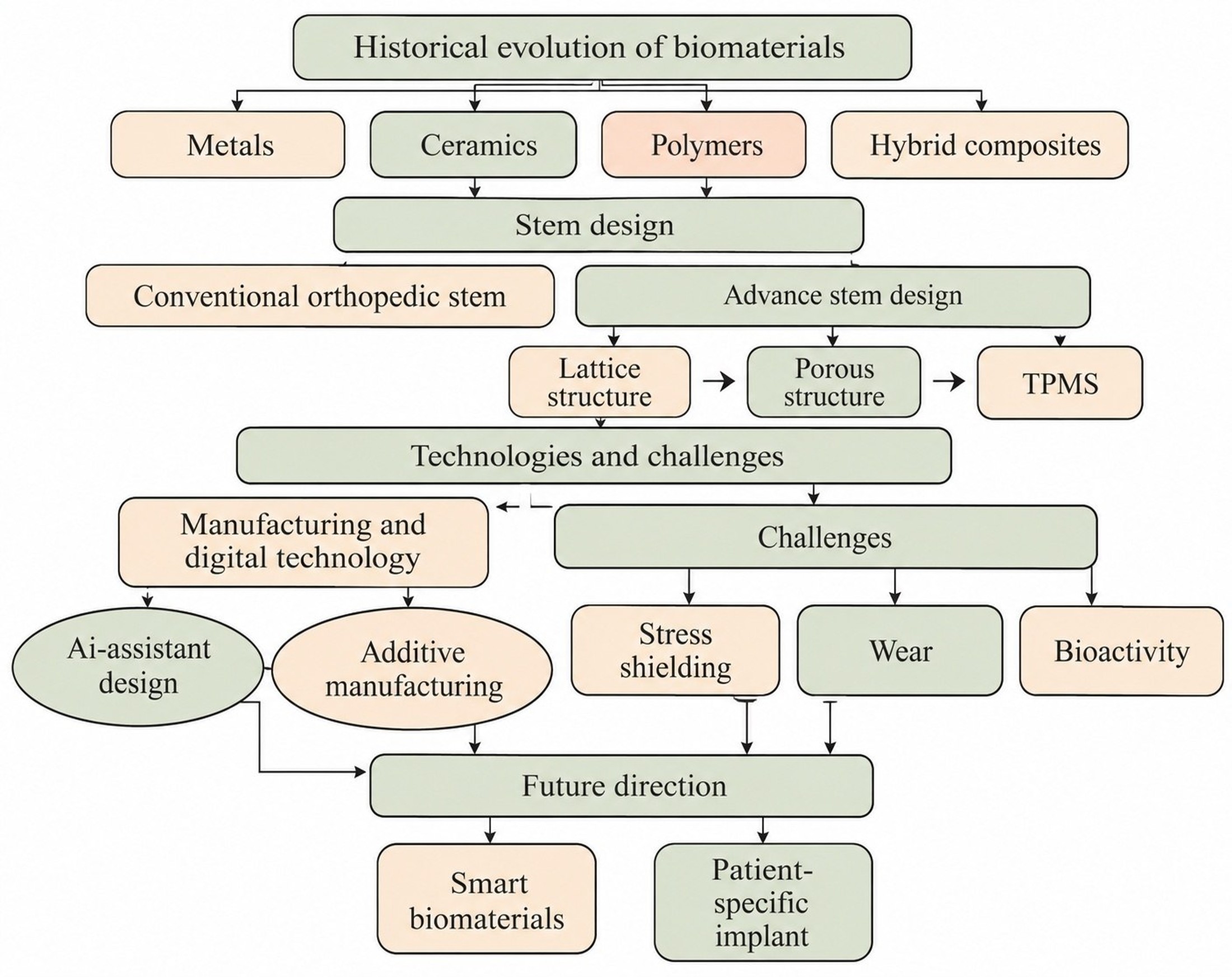
Review roadmap.
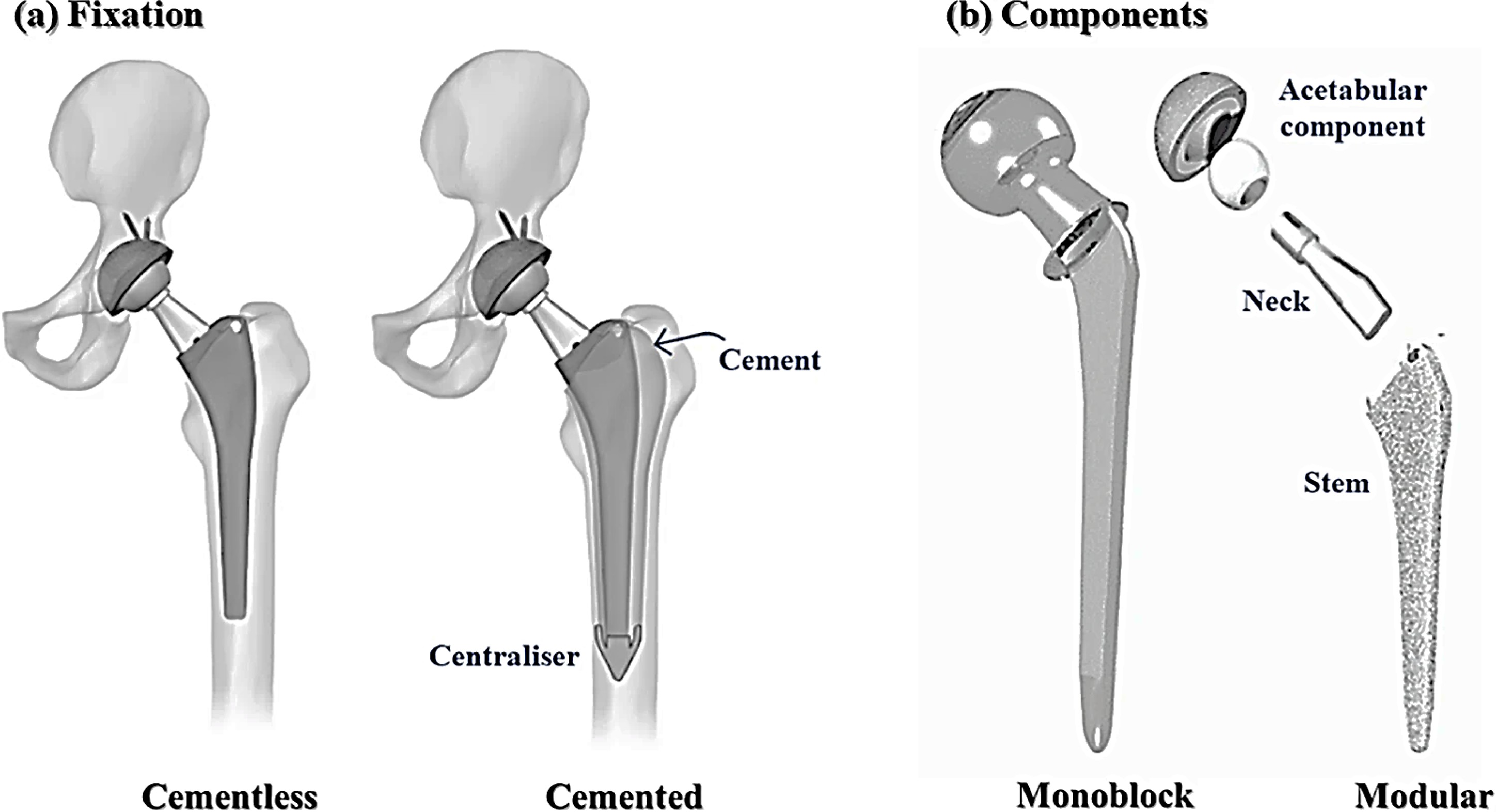
(a) Fixation type of implants, reflected in the stems. (b) Types of components and naming of the different elements of a hip implant (Reproduced from Ref. [47] with permission).
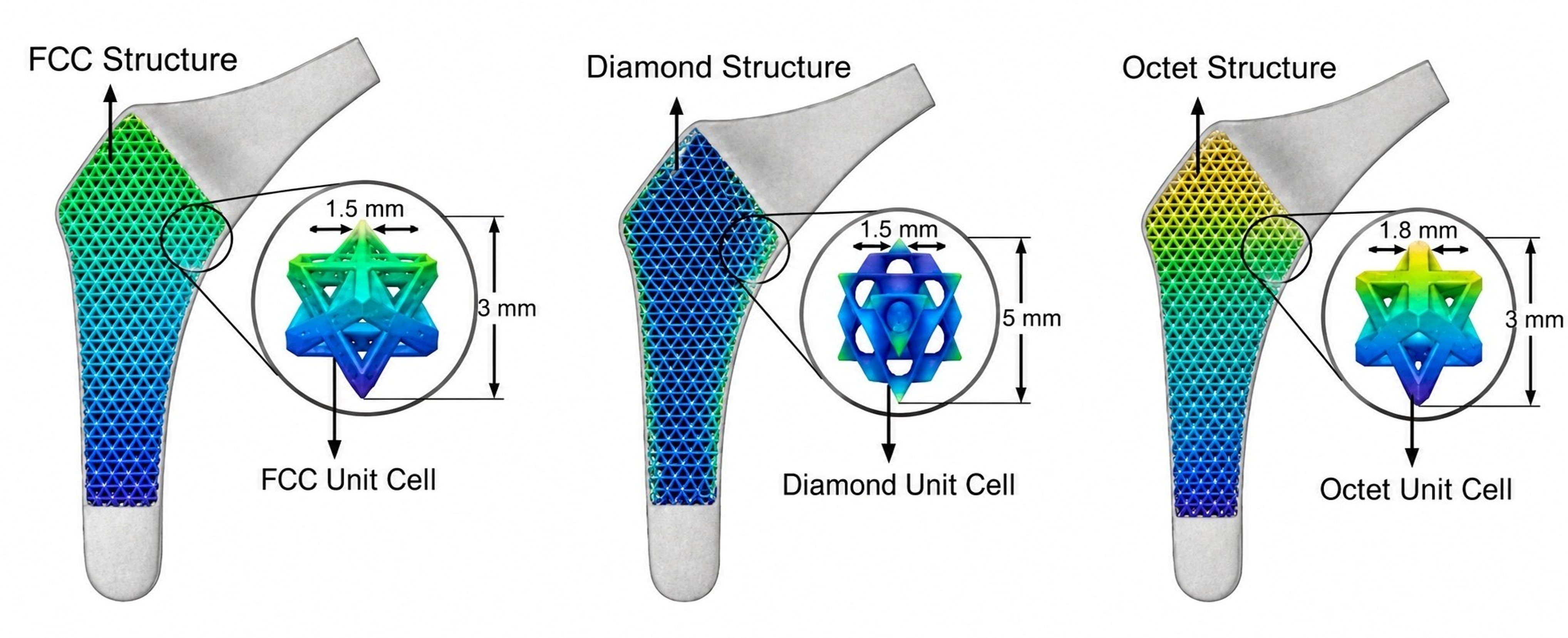
Lattice cells in hip implant struts.
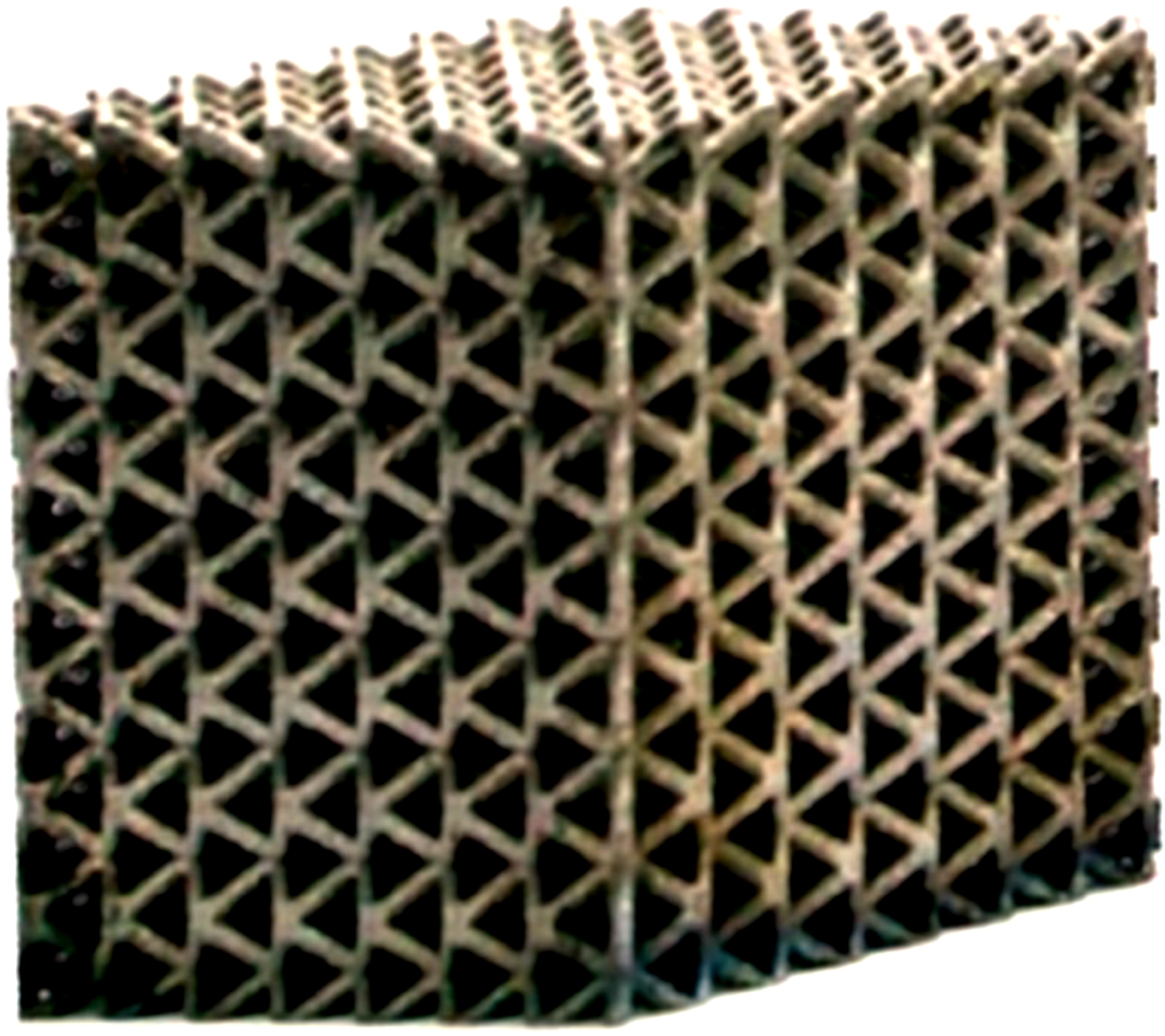
Ti-6Al-4V lattice with fabricated body-centered cubic structure subjected to compression testing (Reproduced from Ref. [63] with permission).




 DownLoad: