The electrification of vehicles has been considered as one of the possible alternatives to minimize the dependence on fossil fuel and environmental emissions in smart cities. Although there has been increase in the uptake of electric vehicles (EV) in cities its widespread adoption is impacted by different challenges such as limited battery range, high purchase costs, and improved charging convenience. To address these challenges, an innovative technology is proposed termed as dynamic wireless charging technology (DWCT), which is a type of electric road systems (ERS) infrastructure that allows for the propulsion and charging of EV. DWCT helps to charge the EV while in motion. Although previous research has covered the technical aspects of DWCT, the widespread deployment of DWCT in smart cities is limited by different barriers. Hence, there is a gap in the current research regarding institutional and social perspective regarding the barriers that influence DWCT based ERS adoption. Therefore, this article examines the environmental, social, institutional, economic, and technological barriers that impact the adoption of dynamic wireless electric transfer technologies for charging EV in smart cities. Findings from this study further investigate the feasibility of DWCT by identifying recommendations to support road electrification towards the deployment of ERS in smart cities.
Citation: Anthony Bokolo Jnr.. Dynamic wireless electric transfer technologies for recharging and powering of electric vehicles in smart cities[J]. AIMS Energy, 2026, 14(5): 1256-1275. doi: 10.3934/energy.2026049
The electrification of vehicles has been considered as one of the possible alternatives to minimize the dependence on fossil fuel and environmental emissions in smart cities. Although there has been increase in the uptake of electric vehicles (EV) in cities its widespread adoption is impacted by different challenges such as limited battery range, high purchase costs, and improved charging convenience. To address these challenges, an innovative technology is proposed termed as dynamic wireless charging technology (DWCT), which is a type of electric road systems (ERS) infrastructure that allows for the propulsion and charging of EV. DWCT helps to charge the EV while in motion. Although previous research has covered the technical aspects of DWCT, the widespread deployment of DWCT in smart cities is limited by different barriers. Hence, there is a gap in the current research regarding institutional and social perspective regarding the barriers that influence DWCT based ERS adoption. Therefore, this article examines the environmental, social, institutional, economic, and technological barriers that impact the adoption of dynamic wireless electric transfer technologies for charging EV in smart cities. Findings from this study further investigate the feasibility of DWCT by identifying recommendations to support road electrification towards the deployment of ERS in smart cities.

| [1] |
Connolly D (2016) eRoads: A comparison between oil, battery electric vehicles, and electric roads for Danish road transport in terms of energy, emissions, and costs. Aalborg Universitet. Available from: https://vbn.aau.dk/ws/portalfiles/portal/237844907/David_Connolly_eRoads_2016.pdf. |
| [2] |
Ainalis D, Thorne C, Cebon D (2023) Technoeconomic comparison of an electric road system and hydrogen for decarbonising the UK's long-haul road freight. Res Transp Bus Manag 48: 100914. https://doi.org/10.1016/j.rtbm.2022.100914 doi: 10.1016/j.rtbm.2022.100914
|
| [3] |
Bateman D, Leal D, Reeves S, et al. (2018) Electric road systems: A solution for the future? (No. 2018SP04EN). Available from: https://trid.trb.org/View/1570673. |
| [4] |
Anthony Jnr B (2025) Enabling intelligent internet of energy-based provenance and green electric vehicle charging in energy communities. Energies 18: 4827. https://doi.org/10.3390/en18184827 doi: 10.3390/en18184827
|
| [5] |
Konstantinou T, Haddad D, Prasad A, et al. (2021) Feasibility study and design of in-road electric vehicle charging technologies. Joint Transportation Research Program Publication, West Lafayette, Purdue University. https://doi.org/10.5703/1288284317353 |
| [6] |
Anthony Jnr B (2021) Integrating electric vehicles to achieve sustainable energy as a service business model in smart cities. Front Sustain Cities 3: 685716. https://doi.org/10.3389/frsc.2021.685716 doi: 10.3389/frsc.2021.685716
|
| [7] |
Aronietis R, Vanelslander T (2024) Economic impacts of the catenary electric road system implementation in Flanders. Int J Sustain Transp 18: 46-61. https://doi.org/10.1080/15568318.2023.2197865 doi: 10.1080/15568318.2023.2197865
|
| [8] |
Anthony Jr B (2023) Data enabling digital ecosystem for sustainable shared electric mobility-as-a-service in smart cities-an innovative business model perspective. Res Transp Bus Manag 51: 101043. https://doi.org/10.1016/j.rtbm.2023.101043 doi: 10.1016/j.rtbm.2023.101043
|
| [9] |
Olsson O (2013) Slide-in electric road system, inductive project report, phase 1. Scania CV AB, 65. Available from: https://www.diva-portal.org/smash/record.jsf?pid = diva2: 1131846. |
| [10] |
Bakker J, Lopez Alvare JA, Buijs P (2024) A network design perspective on the adoption potential of electric road systems in early development stages. Appl Energy 361: 122887. https://doi.org/10.1016/j.apenergy.2024.122887 doi: 10.1016/j.apenergy.2024.122887
|
| [11] |
Chen F, Taylor N, Kringos N (2015) Electrification of roads: Opportunities and challenges. Appl Energy 150: 109-119. https://doi.org/10.1016/j.apenergy.2015.03.067 doi: 10.1016/j.apenergy.2015.03.067
|
| [12] |
Connolly D (2017) Economic viability of electric roads compared to oil and batteries for all forms of road transport. Energy Strateg Rev 18: 235-249. https://doi.org/10.1016/j.esr.2017.09.005 doi: 10.1016/j.esr.2017.09.005
|
| [13] |
Brown AL, Fleming KL, Safford HR (2020) Prospects for a highly electric road transportation sector in the USA. Curr Sustainable/Renewable Energy Rep 7: 84-93. https://doi.org/10.1007/s40518-020-00155-3 doi: 10.1007/s40518-020-00155-3
|
| [14] |
Suh IS, Kim J (2013) Electric vehicle on-road dynamic charging system with wireless power transfer technology. In 2013 International Electric Machines & Drives Conference, 234-240. https://doi.org/10.1109/IEMDC.2013.6556258 |
| [15] |
Coban HH, Rehman A, Mohamed A (2022) Analyzing the societal cost of electric roads compared to batteries and oil for all forms of road transport. Energies 15: 1925. https://doi.org/10.3390/en15051925 doi: 10.3390/en15051925
|
| [16] |
Lee S, Huh J, Park C, et al. (2010) On-line electric vehicle using inductive power transfer system. 2010 IEEE Energy Conversion Congress and Exposition, 1598-1601. https://doi.org/10.1109/ECCE.2010.5618092 |
| [17] |
Wu HH, Gilchrist A, Sealy KD, et al. (2012) A high efficiency 5 kW inductive charger for EVs using dual side control. IEEE Trans Ind Inform 8: 585-595. https://doi.org/10.1109/TII.2012.2192283 doi: 10.1109/TII.2012.2192283
|
| [18] |
Webster J, Watson RT (2002) Analyzing the past to prepare for the future: Writing a literature review. MIS Q 26: xiii-xxiii. https://doi.org/10.2307/4132319 doi: 10.2307/4132319
|
| [19] |
Brocke JV, Simons A, Niehaves B, et al. (2009) Reconstructing the giant: On the importance of rigour in documenting the literature search process. ECIS 2009 Proceedings, 161. Available from: https://aisel.aisnet.org/cgi/viewcontent.cgi?article = 1145 & context = ecis2009. |
| [20] |
Anthony Jr B (2026) Cost-Pricing mechanisms for sustainable rural electrification in local energy communities. In: Walker T, Gramlich D (eds) The Palgrave Handbook of Sustainable Finance. Cham: Springer Nature Switzerland, 201-221. https://doi.org/10.1007/978-3-031-98736-6_10 |
| [21] |
Anthony Jr B (2026) Citizen participation and engagement in local energy communities: Governing Sustainable energy transitions through human-centric approaches. Energies 19: 917. https://doi.org/10.3390/en19040917 doi: 10.3390/en19040917
|
| [22] |
Anthony Jr B (2025) Distributed energy prosumer communities and the application of emerging technologies: A systematic literature review. Sustainable Futures 9: 100794. https://doi.org/10.1016/j.sftr.2025.100794 doi: 10.1016/j.sftr.2025.100794
|
| [23] |
Langhelle O, Bohne R, Nörbech TE (2018) Electric roads in Norway: Summary of a concept analysis. Electric Infrastructure for Good Transport (ELinGO), PDF Report. Available from: https://www.sintef.no/globalassets/project/elingo/18-0733-engelsk-sluttrapport.pdf. |
| [24] |
Taljegård M (2019) Electrification of road transportation-implications for the electricity system. Chalmers University of Technology (Sweden). Available from: https://research.chalmers.se/publication/512771/file/512771_Fulltext.pdf. |
| [25] |
Hacker F, Jöhrens J, Gather M, et al. (2023) Expansion strategies for electric road systems (ERS) in Europe. Available from: https://electric-road-systems.eu/e-r-systems-wAssets/docs/CollERS-2-Discussion-paper-4-Expansion-strategies_2023-08-04.pdf. |
| [26] |
Baalsrud Hauge J, Shreenath V, Meijer S, et al. (2015) Feasibility study on societal perspectives towards on road charging and set of current data regarding societal dimension. FABRIC: Athens, Greece. Available from: https://cordis.europa.eu/project/id/605405/results. |
| [27] |
Jelica D, Taljegard M, Thorson L, et al. (2018) Hourly electricity demand from an electric road system—A Swedish case study. Appl Energy 228: 141-148. https://doi.org/10.1016/j.apenergy.2018.06.047 doi: 10.1016/j.apenergy.2018.06.047
|
| [28] |
de Saxe C, Ainalis D, Miles J, et al. (2023) An electric road system or big batteries: Implications for UK road freight. Transp Eng 14: 100210. https://doi.org/10.1016/j.treng.2023.100210 doi: 10.1016/j.treng.2023.100210
|
| [29] |
Flores-Gandur R, Vassallo JM, Sobrino N (2025) Assessing the socioeconomic impacts of an inductive electric road system (ERS) for decarbonizing freight transport: A case study for the TEN-T corridor AP-7 in Spain. Sustainability 17: 2283. https://doi.org/10.3390/su17052283 doi: 10.3390/su17052283
|
| [30] |
Schulte J, Ny H (2018) Electric road systems: Strategic stepping stone on the way towards sustainable freight transport? Sustainability 10: 1148. https://doi.org/10.3390/su10041148 |
| [31] |
Othman K, Da Silva D, Shalaby A, et al. (2026) TALe-Bus: An interactive dashboard for electric bus fleet electrification planning. AIMS Energy 14: 732-759. https://doi.org/10.3934/energy.2026030 doi: 10.3934/energy.2026030
|
| [32] |
Domingues-Olavarría G, Márquez-Fernández FJ, Fyhr P, et al. (2018). Electric roads: Analyzing the societal cost of electrifying all Danish road transport. World Electr Veh J 9: 9. https://doi.org/10.3390/wevj9010009 doi: 10.3390/wevj9010009
|
| [33] |
Borin F, Tjernlund L (2020) Exploring barriers towards adoption within electric road systems: A Case study of the user perspective. Available from: https://www.diva-portal.org/smash/get/diva2: 1461085/FULLTEXT01.pdf. |
| [34] |
Gustavsson MG, Lindgren M (2020) Maturity of power transfer technologies for electric road systems. In Transport Research Arena 2020, Helsinki, 27-30 April 2020 (Conference canceled). Finnish Transport and Communications Agency. Available from: https://www.diva-portal.org/smash/record.jsf?pid = diva2: 1414333. |
| [35] |
Wang Y, Li S, Zhao Y, et al. (2025) Research on the modeling and simulation of the rural Photovoltaic-Biogas-Storage Direct-Current and Flexible Architecture System. AIMS Energy 13: 879-900. https://doi.org/10.3934/energy.2025032 doi: 10.3934/energy.2025032
|
| [36] |
Anthony Jr B (2024) Enabling sustainable energy sharing and tracking for rural energy communities in emerging economies. Renewable Energy Focus 51: 100633. https://doi.org/10.1016/j.ref.2024.100633 doi: 10.1016/j.ref.2024.100633
|
| [37] |
Anthony Jr B (2024) Decentralized AIoT based intelligence for sustainable energy prosumption in local energy communities: A citizen-centric prosumer approach. Cities 152: 105198. https://doi.org/10.1016/j.cities.2024.105198 doi: 10.1016/j.cities.2024.105198
|
| [38] |
Tooki OO, Popoola OM, Pam JD (2025) Towards sustainable energy: Implementation framework for a decentralized peer-to-peer transactive energy system. AIMS Energy 13: 962-986. https://doi.org/10.3934/energy.2025036 doi: 10.3934/energy.2025036
|
| [39] |
Jakobsson N, Hartvigsson E, Taljegard M, et al. (2023) Substation placement for electric road systems. Energies 16: 4217. https://doi.org/10.3390/en16104217 doi: 10.3390/en16104217
|
| [40] |
Karlsson A, Alaküla M (2021) Energy supply to buses on a conductive electric road: An evaluation of charger topologies and electric road characteristics. World Electr Veh J 12: 241. https://doi.org/10.3390/wevj12040241 doi: 10.3390/wevj12040241
|
| [41] |
Márquez-Fernández FJ, Schuch S, Lindgren L, et al. (2019) Electric safety challenges with a conductive electric road system—chassis potential modeling and measurement. World Electr Veh J 10: 30. https://doi.org/10.3390/wevj10020030 doi: 10.3390/wevj10020030
|
| [42] |
Tesla N (1904) The transmission of electrical energy without wires. Electr World Eng 1: 21-24. Available from: https://www.academia.edu/download/35400414/Tesla_-_The_Transmission_of_Electrical_Energy_Without_Wires.pdf. |
| [43] |
Schwind JP (1998) Armature induction charging of moving electric vehicle batteries. U. S. Patent 5,821,728. Available from: https://patentimages.storage.googleapis.com/pdfs/US5821728.pdf. |
| [44] |
Abe H, Sakamoto H, Harada K (2002) A noncontact charger using a resonant converter with parallel capacitor of the secondary coil. IEEE Trans Ind Appl 36: 444-451. https://doi.org/10.1109/28.833760 doi: 10.1109/28.833760
|
| [45] |
Mude KN (2018) Battery charging method for electric vehicles: From wired to on-road wireless charging. Chin J Electr Eng 4: 1-15. https://doi.org/10.23919/CJEE.2018.8606784 doi: 10.23919/CJEE.2018.8606784
|
| [46] |
Plötz P, Andersson M, Scherrer A, et al. (2024) The possible future of electric road systems in Europe—time to decide and act. Environ Res: Infrastruct Sustainability 4: 013001. https://doi.org/10.1088/2634-4505/ad3576 doi: 10.1088/2634-4505/ad3576
|
| [47] |
Villa JL, Llombart A, Sanz JF, et al. (2007) Practical development of a 5 kW ICPT system SS compensated with a large air gap. In 2007 IEEE International Symposium On Industrial Electronics, 1219-1223. https://doi.org/10.1109/ISIE.2007.4374772 |
| [48] |
Chawla N, Tosunoglu S (2012) State of the art in inductive charging for electronic appliances and its future in transportation. In 2012 Florida Conference on Recent Advances in Robotics, 1-7. Available from: https://www.semanticscholar.org/paper/State-of-the-Art-in-Inductive-Charging-for-and-its-Chawla-Tosunoglu/56f78580d7261ac8c8110cbe68a1541c4551d479. |
| [49] |
Speth D, Funke SÁ (2019) A techno-economic comparison of battery swap and electric road systems for heavy road transport. A German case study. In Proceedings of the 3rd Electric Road Systems Conference. Available from: https://publica-rest.fraunhofer.de/server/api/core/bitstreams/75636808-3669-46f2-83c7-77e4607ac87d/content. |
| [50] |
Wang Q, Berlin D, Meijer S (2019) Uncovering stakeholder influences in electric road systems using two assessment methods: The case of eRoadArlanda. Res Transp Bus Manag 33: 100422. https://doi.org/10.1016/j.rtbm.2019.100422 doi: 10.1016/j.rtbm.2019.100422
|
| [51] |
Wenander D, Alaküla M (2024) Reducing the environmental impact of large battery systems with conductive electric road systems—a technical overview. World Electr Veh J 15: 59. https://doi.org/10.3390/wevj15020059 doi: 10.3390/wevj15020059
|
| [52] |
Wendt A, Arnold M, Ezer O, et al. (2024) Wireless electric road systems—technology readiness and recent developments. In 2024 IEEE Wireless Power Technology Conference and Expo (WPTCE), 177-182. https://doi.org/10.1109/WPTCE59894.2024.10557264 |
| [53] |
Anthony Jr B (2026) Wireless electric road system for propulsion and charging of electric vehicles in highways. Renewable Energies, 4. https://doi.org/10.1177/27533735261453482 |
| [54] |
Anthony Jr B (2026) Adopting electric road technologies and energy systems for the electrification of municipal electric buses. Energies 19: 3622. https://doi.org/10.3390/en19153622 doi: 10.3390/en19153622
|
| [55] |
Wang T, Zhang J, He J (2023) Dynamic wireless charging lane reversal for connected and automated electric vehicles in highway. Sustainable Energy Technol Assess 57: 103206. https://doi.org/10.1016/j.seta.2023.103206 doi: 10.1016/j.seta.2023.103206
|
| [56] |
Zhang J, Tang TQ, Yan Y, et al. (2021) Eco-driving control for connected and automated electric vehicles at signalized intersections with wireless charging. Appl Energy 282: 116215. https://doi.org/10.1016/j.apenergy.2020.116215 doi: 10.1016/j.apenergy.2020.116215
|
Figures(5)

Anthony Bokolo Jnr.. Dynamic wireless electric transfer technologies for recharging and powering of electric vehicles in smart cities[J]. AIMS Energy, 2026, 14(5): 1256-1275. doi: 10.3934/energy.2026049

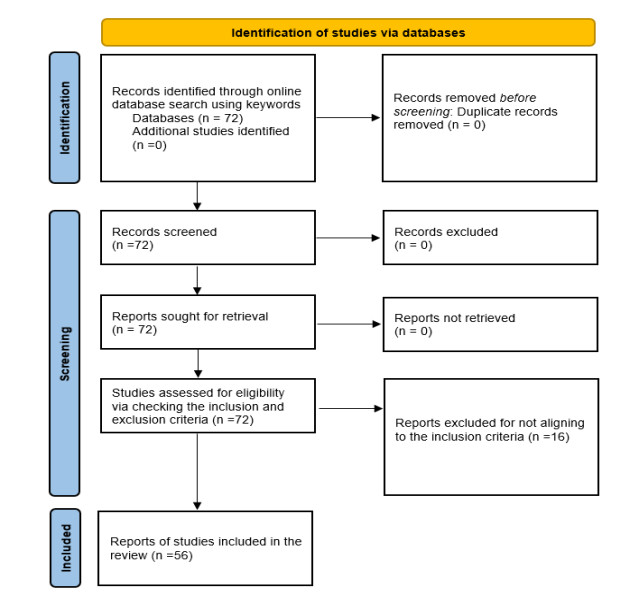
PRISMA literature screening flowchart
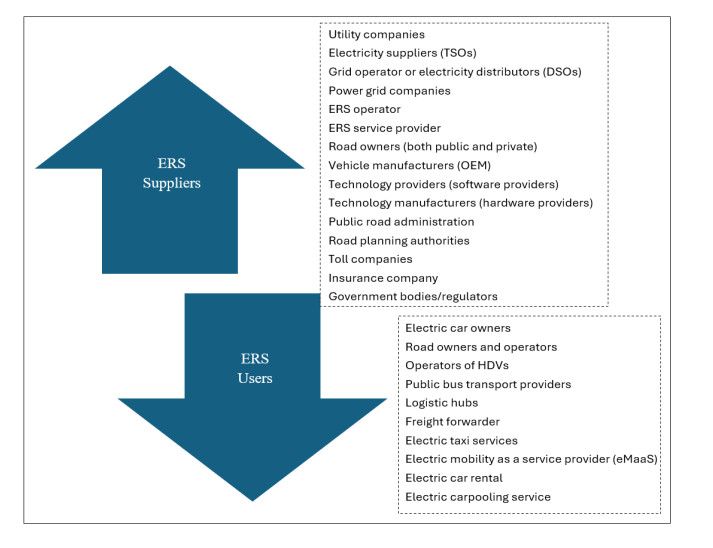
Stakeholders' involvement for ERS adoption in smart cities
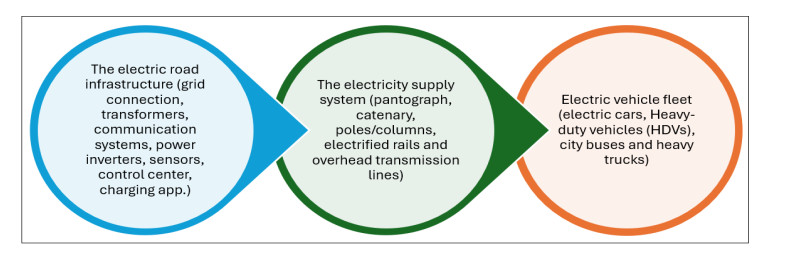
Main constituent of ERS infrastructure in smart cities
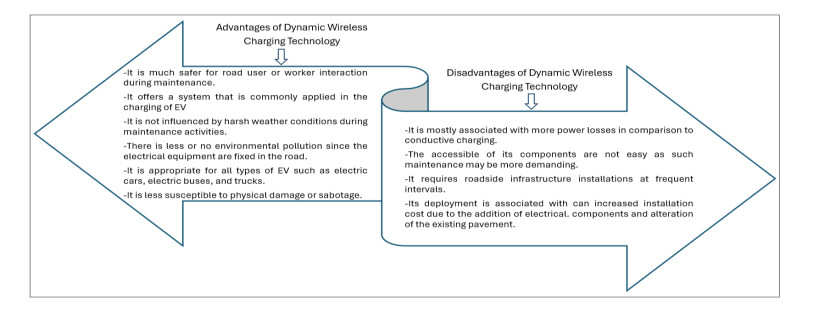
Advantages and disadvantages of DWCT in smart cities
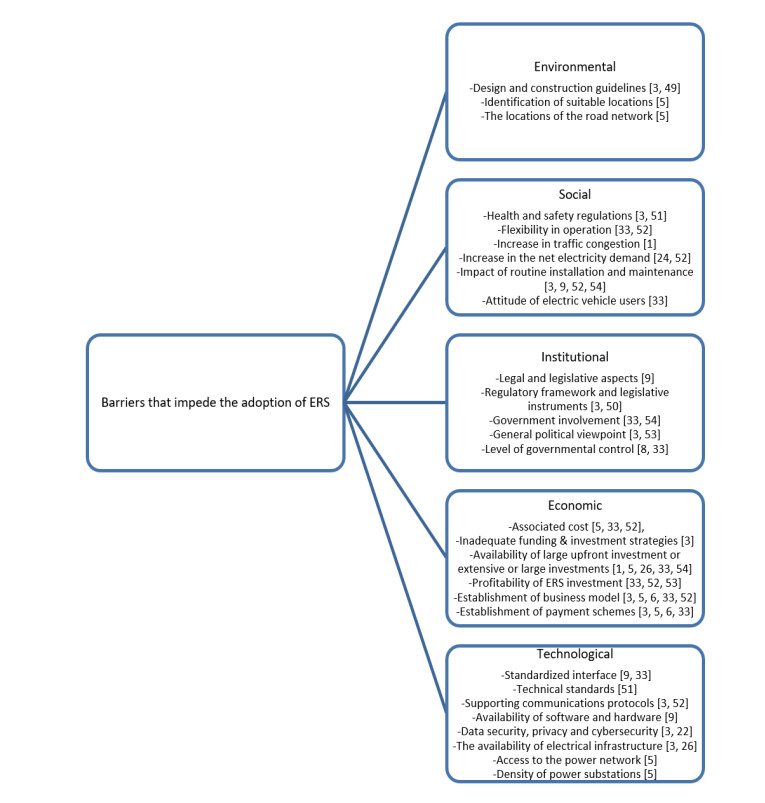
Barriers that impede the adoption of ERS in smart cities




 DownLoad: