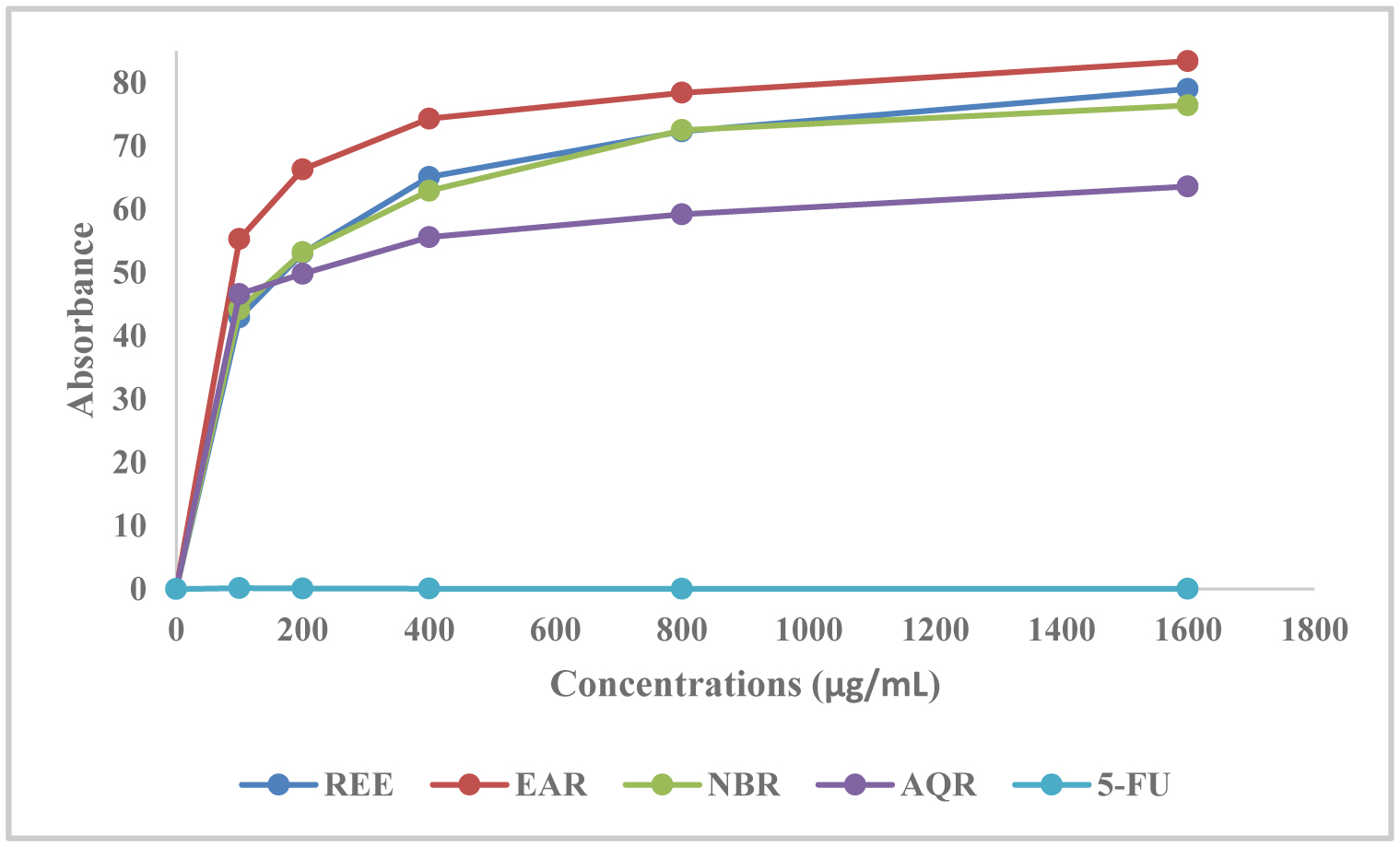
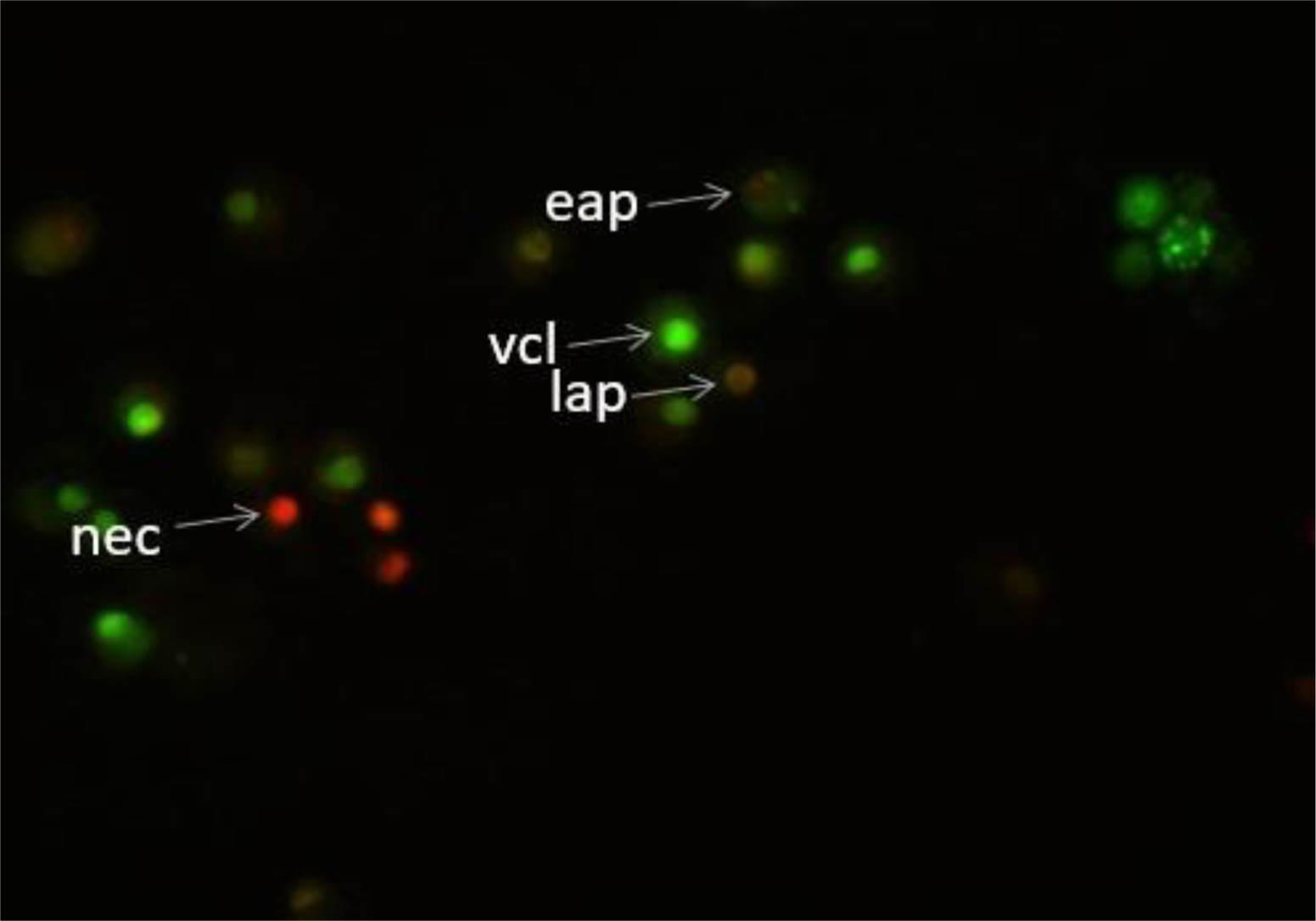
The investigation of phytochemicals in plants has garnered substantial interest because of their potential therapeutic applications and pharmaceutical industries. These compounds can interact with biological systems, influencing critical biochemical mechanisms such as apoptosis, cell signaling, and oxidative stress. Therefore, understanding the mechanisms of action of these compounds is crucial to unlock their potential for developing novel agents for pharmaceuticals and health-promoting supplements. Breonadia salicina is a native species distributed throughout tropical and subtropical countries. This plant is used to treat of wounds, ulcers, fevers, headaches, gastrointestinal illness, cancer, arthritis, diabetes, inflammation, and bacterial and fungal infections. The roots were extracted via successive solvent extractions and evaluated for their antioxidant, phytochemical, and anticancer properties, with an emphasis on their apoptotic and underlying potential mechanisms. The ethanolic (REE), aqueous (AQR), ethyl acetate (EAR), and n-butanol (NBR) fractions significantly inhibited HT-29 cancer cells (p < 0.05). The EAR fractions displayed the strongest inhibition (IC50 of 22.5 µg/mL) and promptly triggered early and late apoptosis and cell necrosis (p < 0.001). The EAR fractions demonstrated powerful TFC (19.4 Quercetin/g) activity, with IC50 values of 22 and 25 mg/ml for ABTS and DPPH, respectively. LC–MS/LC–HRM analysis revealed several phytochemicals in the EAR fractions that contributed to the potential properties of the plants, including polyphenols, coumarin derivatives, 4,5-dicaffeoylquinic acid, chlorogenic acid, glycosides, and geniposidic acid. Notably, the in-silico cytotoxicity of these phytochemicals revealed the significant cytotoxicity of four potent compounds against six colon cancer cell lines, which presented the greatest interaction with the CDK2 enzyme (−5.0 kcal/mol). These findings underscore the potential of the identified phytochemicals as promising anticancer or nutraceutical candidates for drug development and in the pharmaceutical industry.
Citation: Iliyasu Uwaisu, Sawsan S. Al-Rawi, Ahmad H. Ibrahim, Abdulrahman Mahmoud Dogara, Ateeq Ahmed Al-Zahrani, Shehu Sani, Yakubu Yahaya, Sani Hammada, Garba Musa Abdullahi, Hussain D. Almalki, Alaa Ahmad Hamdy. Molecular docking and biochemical insights into the pro-apoptotic cytotoxicity of Breonadia salicina[J]. AIMS Biophysics, 2025, 12(4): 544-569. doi: 10.3934/biophy.2025026
The investigation of phytochemicals in plants has garnered substantial interest because of their potential therapeutic applications and pharmaceutical industries. These compounds can interact with biological systems, influencing critical biochemical mechanisms such as apoptosis, cell signaling, and oxidative stress. Therefore, understanding the mechanisms of action of these compounds is crucial to unlock their potential for developing novel agents for pharmaceuticals and health-promoting supplements. Breonadia salicina is a native species distributed throughout tropical and subtropical countries. This plant is used to treat of wounds, ulcers, fevers, headaches, gastrointestinal illness, cancer, arthritis, diabetes, inflammation, and bacterial and fungal infections. The roots were extracted via successive solvent extractions and evaluated for their antioxidant, phytochemical, and anticancer properties, with an emphasis on their apoptotic and underlying potential mechanisms. The ethanolic (REE), aqueous (AQR), ethyl acetate (EAR), and n-butanol (NBR) fractions significantly inhibited HT-29 cancer cells (p < 0.05). The EAR fractions displayed the strongest inhibition (IC50 of 22.5 µg/mL) and promptly triggered early and late apoptosis and cell necrosis (p < 0.001). The EAR fractions demonstrated powerful TFC (19.4 Quercetin/g) activity, with IC50 values of 22 and 25 mg/ml for ABTS and DPPH, respectively. LC–MS/LC–HRM analysis revealed several phytochemicals in the EAR fractions that contributed to the potential properties of the plants, including polyphenols, coumarin derivatives, 4,5-dicaffeoylquinic acid, chlorogenic acid, glycosides, and geniposidic acid. Notably, the in-silico cytotoxicity of these phytochemicals revealed the significant cytotoxicity of four potent compounds against six colon cancer cell lines, which presented the greatest interaction with the CDK2 enzyme (−5.0 kcal/mol). These findings underscore the potential of the identified phytochemicals as promising anticancer or nutraceutical candidates for drug development and in the pharmaceutical industry.

| [1] |
Al-Rawi SS, Ibrahim AH, Ahmed HJ, et al. (2024) Therapeutic, and pharmacological prospects of nutmeg seed: A comprehensive review for novel drug potential insights. Saudi Pharm J 32: 102067. https://doi.org/10.1016/j.jsps.2024.102067 
|
| [2] |
Parry DA, Oeppen RS, Amin M, et al. (2018) Can dietary supplements improve a clinician's well-being and health?. Br J Oral Maxillofac Surg 56: 85-89. https://doi.org/10.1016/j.bjoms.2017.12.002
|
| [3] |
Chatterjee P, Gupta S, Banerjee S (2023) Understanding the role of the natural warriors: phytochemicals in breast cancer chemoprevention. Recent Frontiers of Phytochemicals . Elsevier 261-293. https://doi.org/10.1016/B978-0-443-19143-5.00004-9
|
| [4] |
Andreani T, Cheng R, Elbadri K, et al. (2024) Natural compounds-based nanomedicines for cancer treatment: future directions and challenges. Drug Deliv Transl Res 14: 2458-2916. https://doi.org/10.1007/s13346-024-01649-z
|
| [5] | Al-Rawi S, Ibrahim A, Hamde M, et al. (2023) Antiangiogenic and anticancer potential of supercritical fluid extracts from nutmeg seeds. vitro, ex vivo and in silico studies. J Angiotherapy 7: 1-12. https://doi.org/10.25163/angiotherapy.719371 |
| [6] |
Ibrahim AH, Khan MSS, Al-Rawi SS, et al. (2016) Safety assessment of widely used fermented virgin coconut oil (Cocos nucifera) in Malaysia: chronic toxicity studies and SAR analysis of the active components. Regul Toxicol Pharmacol 81: 457-467. https://doi.org/10.1016/j.yrtph.2016.10.004
|
| [7] |
Ali Abdalla YO, Subramaniam B, Nyamathulla S, et al. (2022) Natural products for cancer therapy: a review of their mechanism of actions and toxicity in the past decade. J Trop Med 2022: 5794350. https://doi.org/10.1155/2022/5794350
|
| [8] |
Boța M, Vlaia L, Jîjie AR, et al. (2024) Exploring synergistic interactions between natural compounds and conventional chemotherapeutic drugs in preclinical models of lung cancer. Pharmaceuticals 17: 598. https://doi.org/10.3390/ph17050598
|
| [9] |
Lv Y, Li W, Liao W, et al. (2024) Nano-drug delivery systems based on natural products. Int J Nanomedicine 2024: 541-569. https://doi.org/10.2147/IJN.S443692
|
| [10] |
Harun-Or-Rashid M, Aktar MN, Hossain MS, et al. (2023) Recent advances in micro-and nano-drug delivery systems based on natural and synthetic biomaterials. Polymers 15: 4563. https://doi.org/10.3390/polym15234563
|
| [11] | Al-Qurainy F, Gaafar ARZ, Khan S, et al. (2014) Genetic diversity in Breonadia salicina based on intra-species sequence variation of chloroplast DNA spacer sequence. Pak J Bot 46: 599-604. |
| [12] |
Tlhapi D, Ramaite I, Anokwuru C, et al. (2024) Molecular networking-based metabolome, in vitro antidiabetic and anti-inflammatory effects of Breonadia salicina (Vahl) Hepper & JRI Wood. Metabolites 14: 291. https://doi.org/10.3390/metabo14060291
|
| [13] |
Iliyasu U, Ibrahim H, Katsayal UA, et al. (2022) Phytochemical constituents and pharmacological activities of Breonadia salicina (Vahl) Hepper and JRI Wood (Rubiaceae). Bull Natl Res Cent 46: 227. https://doi.org/10.1186/s42269-022-00919-5
|
| [14] |
Sani A, Zakariyya UA, Mahe A, et al. (2018) In vitro antitrypanosomal activity of Breonadia salicina on Trypanasoma brucei brucei. Int J Pharma Sci Res 9: 103-107.
|
| [15] |
Nvau BJ, Sami B, Ajibade OS, et al. (2019) Adicardin and other coumarins from Breonadia salicina (Vahl) hepper. Trop J Nat Prod Res 3: 298-301. https://doi.org//10.26538/tjnpr/v3i9.3
|
| [16] |
Norström E, Holmgren K, Mörth CM (2008) A 600-year-long δ18O record from cellulose of Breonadia salicina trees, South Africa. Dendrochronologia 26: 21-33. https://doi.org/10.1016/j.dendro.2007.08.001
|
| [17] |
Mahlo SM, McGaw L, Eloff J (2013) Antifungal activity and cytotoxicity of isolated compounds from leaves of Breonadia salicina. J Ethnopharmacol 148: 909-913. https://doi.org/10.1016/j.jep.2013.05.041
|
| [18] |
Tlhapi DB, Ramaite ID, Anokwuru CP (2021) Metabolomic profiling and antioxidant activities of Breonadia salicina using 1H-NMR and UPLC-QTOF-MS analysis. Molecules 26: 6707. https://doi.org/10.3390/molecules26216707
|
| [19] |
Sibandze GF, van Zyl RL, van Vuuren SF (2010) The anti-diarrhoeal properties of Breonadia salicina, Syzygium cordatum and Ozoroa sphaerocarpa when used in combination in Swazi traditional medicine. J Ethnopharmacol 132: 506-511. https://doi.org/10.1016/j.jep.2010.08.050
|
| [20] | Abdulrahman MD, Hasan Nudin NF, Khandaker MM, et al. (2019) In vitro biological investigations on Syzygium polyanthum cultivars. Intl J Agric Biol 22: 1399-1406. https://doi.org/10.17957/IJAB/15.1214 |
| [21] |
Kaewseejan N, Siriamornpun S (2015) Bioactive components and properties of ethanolic extract and its fractions from Gynura procumbens leaves. Ind Crops Prod 74: 271-278. https://doi.org/10.1016/j.indcrop.2015.05.019
|
| [22] |
Yunusa AK, Nouruddeen ZB, Adam SA, et al. (2023) Effects of roasting conditions on sensory attributes, polyphenolic content and DPPH radical scavenging activity of peanut (Arachis hypogaea). Croat J Food Sci Technol 15: 130-140. https://doi.org/10.17508/CJFST.2023.15.2.01
|
| [23] |
Dzięcioł M, Wróblewska A, Janda-Milczarek K (2023) Comparative studies of DPPH radical scavenging activity and content of bioactive compounds in maca (Lepidium meyenii) root extracts obtained by various techniques. Appl Sci 13: 4827. https://doi.org/10.3390/app13084827
|
| [24] | Ismaila S (2023) Chemical profiling and antioxidant studies on the leaf of Breonadia salicina Hepper and JRI Wood (Rubiaceae). Pol J Nat Sci 38: 125-138. https://doi.org/10.31648/pjns.8950 |
| [25] |
Lianza M, Poli F, Nascimento AM, et al. (2022) In vitro α-glucosidase inhibition by Brazilian medicinal plant extracts characterised by ultra-high performance liquid chromatography coupled to mass spectrometry. J Enzyme Inhib Med Chem 37: 554-562. https://doi.org/10.1080/14756366.2021.2022658
|
| [26] |
Abdallah MS, Mustafa M, Nallappan MAP, et al. (2021) Determination of phenolics and flavonoids of some useful medicinal plants and bioassay-guided fractionation substances of Sclerocarya birrea (A. Rich) Hochst stem (bark) extract and their efficacy against Salmonella typhi. Front Chem 9: 670530. https://doi.org/10.3389/fchem.2021.670530
|
| [27] |
Liu Y, Yang X, Gan J, et al. (2022) CB-Dock: improved protein–ligand blind docking by integrating cavity detection, docking and homologous template fitting. Nucleic Acids Res 50: W159-W164. https://doi.org/10.1093/nar/gkac394
|
| [28] |
Alzain AA, Mukhtar RM, Abdelmoniem N, et al. (2023) Computational insights into natural antischistosomal metabolites as SmHDAC8 inhibitors: molecular docking, ADMET profiling, and molecular dynamics simulation. Metabolites 13: 658. https://doi.org/10.3390/metabo13050658
|
| [29] |
Wang Z, Pan H, Sun H, et al. (2022) fastDRH: a webserver to predict and analyze protein–ligand complexes based on molecular docking and MM/PB (GB) SA computation. Brief Bioinform 23: bbac201. https://doi.org/10.1093/bib/bbac201
|
| [30] |
Hajji Nabih M, Boulika H, El Hajam M, et al. (2023) Successive solvent extraction, characterization and antioxidant activities of cardoon waste (leaves and stems) extracts: comparative study. Molecules 28: 1129. https://doi.org/10.3390/molecules28031129
|
| [31] |
Jaimez-Ordaz J, Contreras-López E, Hernández-Sánchez T, et al. (2021) Comparative evaluation of four extraction methods of antioxidant compounds from decatropis bicolor in aqueous medium applying response surface design. Molecules 26: 1042. https://doi.org/10.3390/molecules26041042
|
| [32] |
Kalpoutzakis E, Chatzimitakos T, Athanasiadis V, et al. (2023) Determination of the total phenolics content and antioxidant activity of extracts from parts of plants from the Greek Island of Crete. Plants 12: 1092. https://doi.org/10.3390/plants12051092
|
| [33] | Stoica R, Velea S, Ilie L, et al. (2013) The influence of ethanol concentration on the total phenolics and antioxidant activity of Scenedesmus opoliensis algal biomass extracts. Rev Chim 64: 304-306. |
| [34] |
Jiménez-Moreno N, Volpe F, Moler JA, et al. (2019) Impact of extraction conditions on the phenolic composition and antioxidant capacity of grape stem extracts. Antioxidants 8: 597. https://doi.org/10.3390/antiox8120597
|
| [35] |
Galanakis C, Goulas V, Tsakona S, et al. (2013) A knowledge base for the recovery of natural phenols with different solvents. Int J Food Prop 16: 382-396. https://doi.org/10.1080/10942912.2010.522750
|
| [36] |
Palaiogiannis D, Chatzimitakos T, Athanasiadis V, et al. (2023) Successive solvent extraction of polyphenols and flavonoids from Cistus creticus L. leaves. Oxygen 3: 274-286. https://doi.org/10.3390/oxygen3030018
|
| [37] |
Ferreira O, Pinho SP (2012) Solubility of flavonoids in pure solvents. Ind Eng Chem Res 51: 6586-6590. https://doi.org/10.1021/ie300211e
|
| [38] |
Souza MC, Silva LC, Chaves JO, et al. (2021) Simultaneous extraction and separation of compounds from mate (Ilex paraguariensis) leaves by pressurized liquid extraction coupled with solid-phase extraction and in-line UV detection. Food Chem Mol Sci 2: 100008. https://doi.org/10.1016/j.fochms.2020.100008
|
| [39] |
Al-Rawi SS, Ibrahim AH, Majid ASAA, et al. (2013) Comparison of yields and quality of nutmeg butter obtained by extraction of nutmeg rind by soxhlet and supercritical carbon dioxide (SC-CO2). J Food Eng 119: 595-601. https://doi.org/10.1016/j.jfoodeng.2013.06.029
|
| [40] |
Rahman MM, Sarker MT, Alam Tumpa MA, et al. (2022) Exploring the recent trends in perturbing the cellular signaling pathways in cancer by natural products. Front Pharmacol 13: 950109. https://doi.org/10.3389/fphar.2022.950109
|
| [41] |
Rodríguez De Luna SL, Ramírez-Garza R, Serna Saldívar SO (2020) Environmentally friendly methods for flavonoid extraction from plant material: Impact of their operating conditions on yield and antioxidant properties. Sci World J 2020: 6792069. https://doi.org/10.1155/2020/6792069
|
| [42] |
John KM, Harnly J, Luthria D (2018) Influence of direct and sequential extraction methodology on metabolic profiling. J Chromatogr B 1073: 34-42. https://doi.org/10.1016/j.jchromb.2017.12.005
|
| [43] | Laware SL (2015) Sequential extraction of plant metabolites. I J Curr Microb and Applied Sc 4: 33-38. |
| [44] |
Silva F, Veiga F, Cardoso C, et al. (2024) A rapid and simplified DPPH assay for analysis of antioxidant interactions in binary combinations. Microchem J 202: 110801. https://doi.org/10.1016/j.microc.2024.110801
|
| [45] |
Dasgupta A, Klein K (2014) Methods for measuring oxidative stress in the laboratory. Antioxidants in Food, Vitamins and Supplements : 19-40. http://dx.doi.org/10.1016/B978-0-12-405872-9.00002-1
|
| [46] |
Mbaveng AT, Damen F, Simo Mpetga JD, et al. (2019) Cytotoxicity of crude extract and isolated constituents of the dichrostachys cinerea bark towards multifactorial drug-resistant cancer cells. Evid Based Complement Alternat Med 2019: 8450158. https://doi.org/10.1155/2019/8450158
|
| [47] |
Hussain H, Ahmad S, Abd Razak M, et al. (2019) Determination of cell viability using acridine orange/propidium iodide dual-spectrofluorometry assay. Cogent Food Agric 5: 1582398. https://doi.org/10.1080/23311932.2019.1582398
|
| [48] |
Billard C (2013) Apoptosis inducers in chronic lymphocytic leukemia. Oncotarget 5: 309. https://doi.org/10.18632/oncotarget.1480
|
| [49] | Mahmoud AD, Al-Rawi SS, Hama HA (2025) Traditional uses, bioactive compounds and pharmacological uses of Vitex doniana Sweet: a review. Ethnobot Res Appl 30: 1-130. http://dx.doi.org/10.32859/era.30.12.1-130 |
| [50] | Campos MRS (2018) Bioactive Compounds: Health Benefits and Potential Applications. Woodhead Publishing. |
| [51] |
Hong S, Joo T, Jhoo JW (2015) Antioxidant and anti-inflammatory activities of 3, 5-dicaffeoylquinic acid isolated from Ligularia fischeri leaves. Food Sci Biotechnol 24: 257-263. https://doi.org/10.1007/s10068-015-0034-y
|
| [52] |
Yang XW, Wang N, Li W, et al. (2013) Biotransformation of 4, 5-O-dicaffeoylquinic acid methyl ester by human intestinal flora and evaluation on their inhibition of NO production and antioxidant activity of the products. Food Chem Toxicol 55: 297-303. https://doi.org/10.1016/j.fct.2012.12.039
|
| [53] |
Jang G, Lee S, Hong J, et al. (2021) Anti-inflammatory effect of 4, 5-dicaffeoylquinic acid on RAW264. 7 cells and a rat model of inflammation. Nutrients 13: 3537. https://doi.org/10.3390/nu13103537
|
| [54] |
Yin XL, Xu BQ, Zhang YQ (2018) Gynura divaricata rich in 3, 5−/4, 5-dicaffeoylquinic acid and chlorogenic acid reduces islet cell apoptosis and improves pancreatic function in type 2 diabetic mice. Nutr Metab 15: 1-12. https://doi.org/10.1186/s12986-018-0310-y
|
| [55] |
Ye X, Tian W, Wang G, et al. (2020) Phenolic glycosides from the roots of Ficus hirta vahl. And their antineuroinflammatory activities. J Agric Food Chem 68: 4196-4204. https://doi.org/10.1021/acs.jafc.9b07876
|
| [56] |
Kaunda JS, Qin XJ, Yang XZ, et al. (2020) Ten new glycosides, carissaedulosides A–J from the root barks of Carissa edulis and their cytotoxicities. Bioorg Chem 102: 104097. https://doi.org/10.1016/j.bioorg.2020.104097
|
| [57] |
Singla S, Piplani P (2016) Coumarin derivatives as potential inhibitors of acetylcholinesterase: Synthesis, molecular docking and biological studies. Bioorg Med Chem 24: 4587-4599. https://doi.org/10.1016/j.bmc.2016.07.061
|
| [58] |
Luchini AC, Rodrigues-Orsi P, Cestari SH, et al. (2008) Intestinal anti-inflammatory activity of coumarin and 4-hydroxycoumarin in the trinitrobenzenesulphonic acid model of rat colitis. Biol Pharm Bull 31: 1343-1350. https://doi.org/10.1248/bpb.31.1343
|
| [59] |
Jung JC, Park OS (2009) Synthetic approaches and biological activities of 4-hydroxycoumarin derivatives. Molecules 14: 4790-4803. https://doi.org/10.3390/molecules14114790
|
| [60] | Kawaii S, Tomono Y, Ogawa K, et al. (2001) Antiproliferative effect of isopentenylated coumarins on several cancer cell lines. Anticancer Res 21: 1905-1911. |
| [61] |
Cheng S, Jia H, Zhang Y, et al. (2022) Geniposidic acid from Eucommia ulmoides oliver staminate flower tea mitigates cellular oxidative stress via activating AKT/NRF2 signaling. Molecules 27: 8568. https://doi.org/10.3390/molecules27238568
|
| [62] |
Nakamura K, Hosoo S, Yamaguchi S, et al. (2018) Geniposidic acid upregulates atrial natriuretic peptide secretion and lowers blood pressure in spontaneously hypertensive rats. J Funct Foods 40: 634-638. https://doi.org/10.1016/j.jff.2017.10.037
|
| [63] |
Ivanova L, Karelson M (2022) The impact of software used and the type of target protein on molecular docking accuracy. Molecules 27: 9041. https://doi.org/10.3390/molecules27249041
|
| [64] | Joshi BC, Juyal V, Sah A, et al. (2023) Computational investigation of geniposidic acid as an anticancer agent using molecular docking, molecular dynamic simulation, DFT calculation, and OSIRIS-Molinspiration profiling. Phys Chem Res 11: 801-823. https://doi.org/10.22036/pcr.2022.359603.2177 |
| [65] |
Saikat ASM, Al-Khafaji K, Akter H, et al. (2022) Nature-derived compounds as potential bioactive leads against CDK9-induced cancer: computational and network pharmacology approaches. Processes 10: 2512. https://doi.org/10.3390/pr10122512
|
| [66] | Bai G, Chen B, Xiao X, et al. (2022) Geniposide inhibits cell proliferation and migration in human oral squamous carcinoma cells via AMPK and JNK signaling pathways. Exp Ther Med 24: 1-10. https://doi.org/10.3892/etm.2022.11642 |
 biophy-12-04-026-s001.pdf biophy-12-04-026-s001.pdf |
 |
Figures(6) / Tables(7)

Iliyasu Uwaisu, Sawsan S. Al-Rawi, Ahmad H. Ibrahim, Abdulrahman Mahmoud Dogara, Ateeq Ahmed Al-Zahrani, Shehu Sani, Yakubu Yahaya, Sani Hammada, Garba Musa Abdullahi, Hussain D. Almalki, Alaa Ahmad Hamdy. Molecular docking and biochemical insights into the pro-apoptotic cytotoxicity of Breonadia salicina[J]. AIMS Biophysics, 2025, 12(4): 544-569. doi: 10.3934/biophy.2025026




 DownLoad: