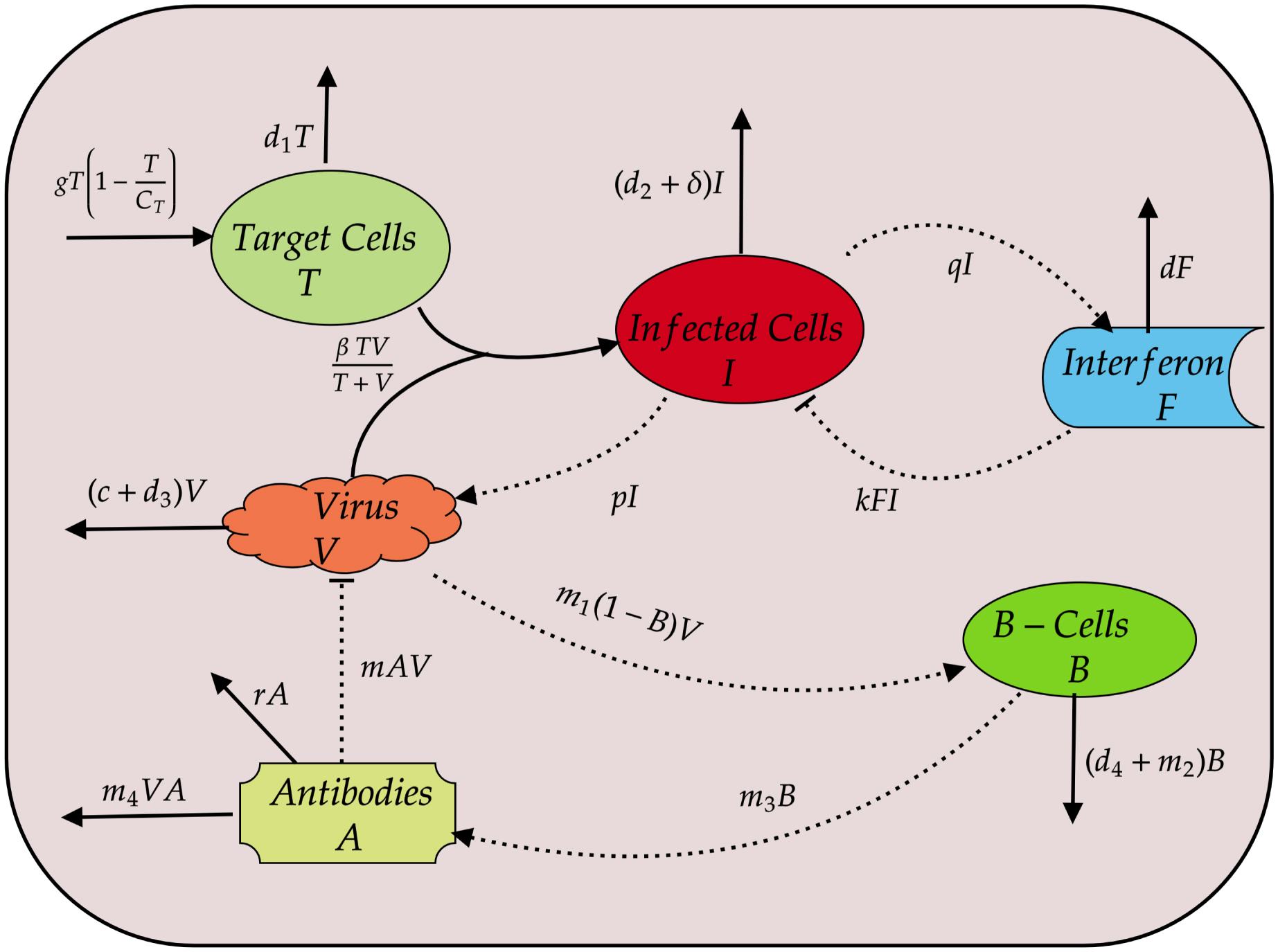
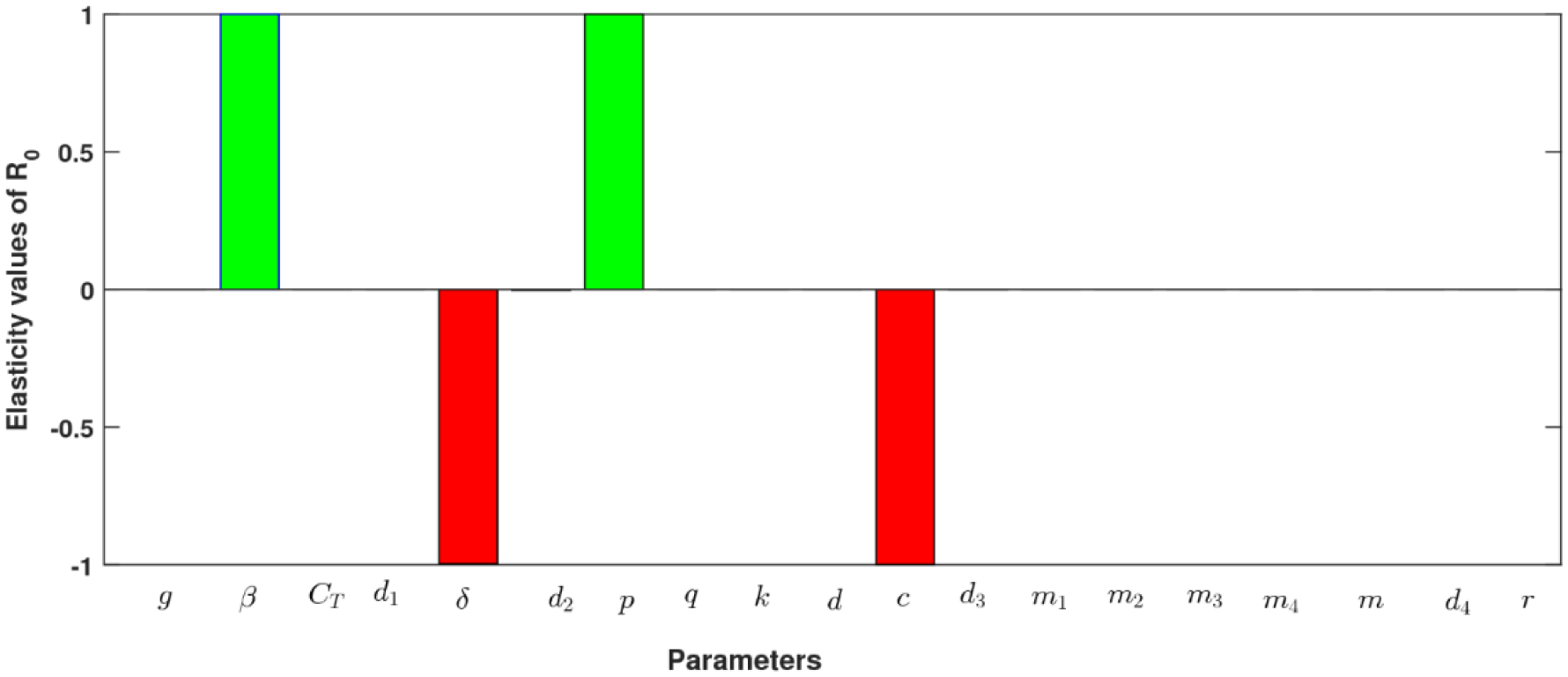
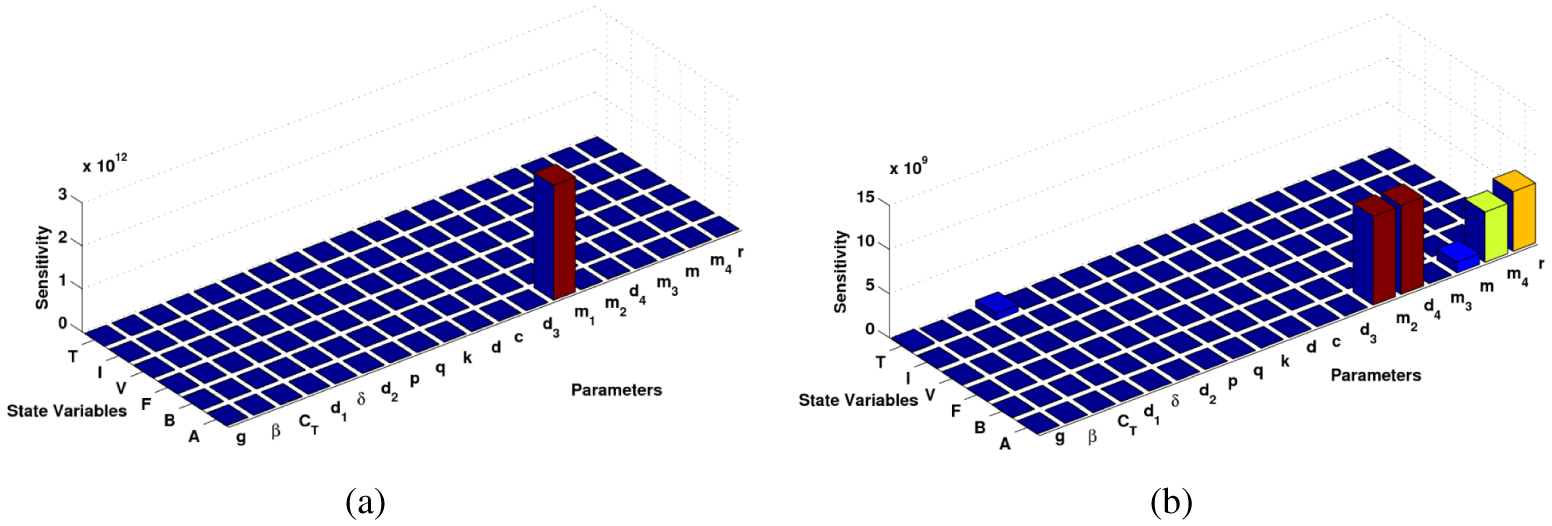
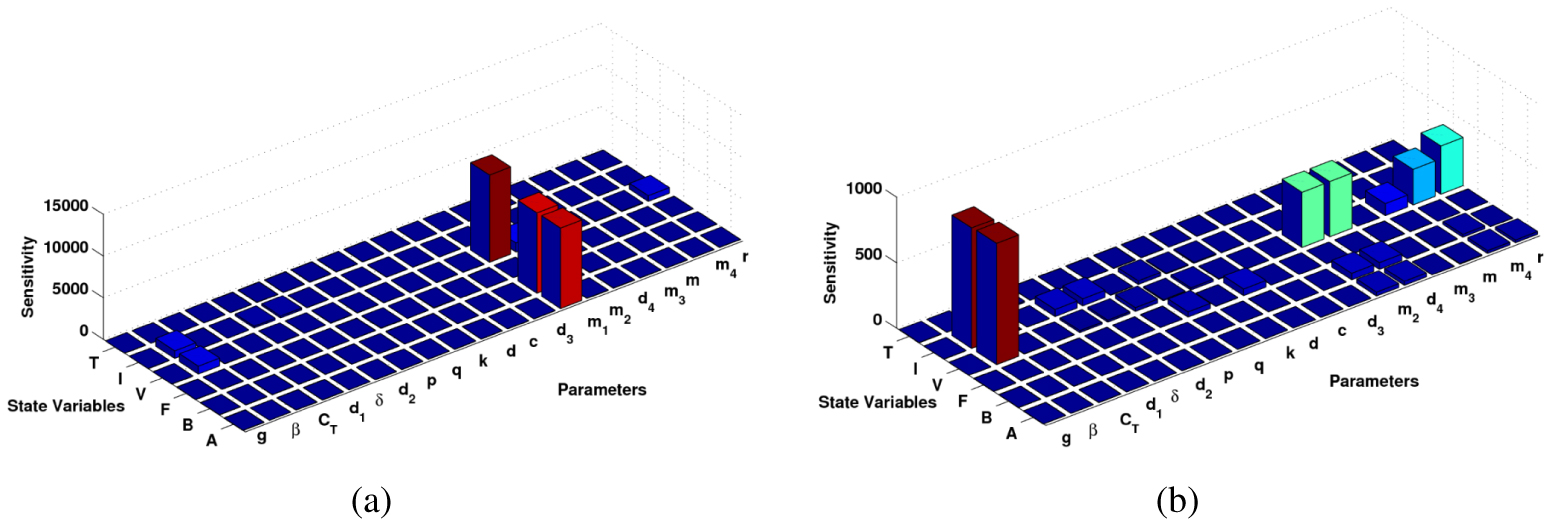
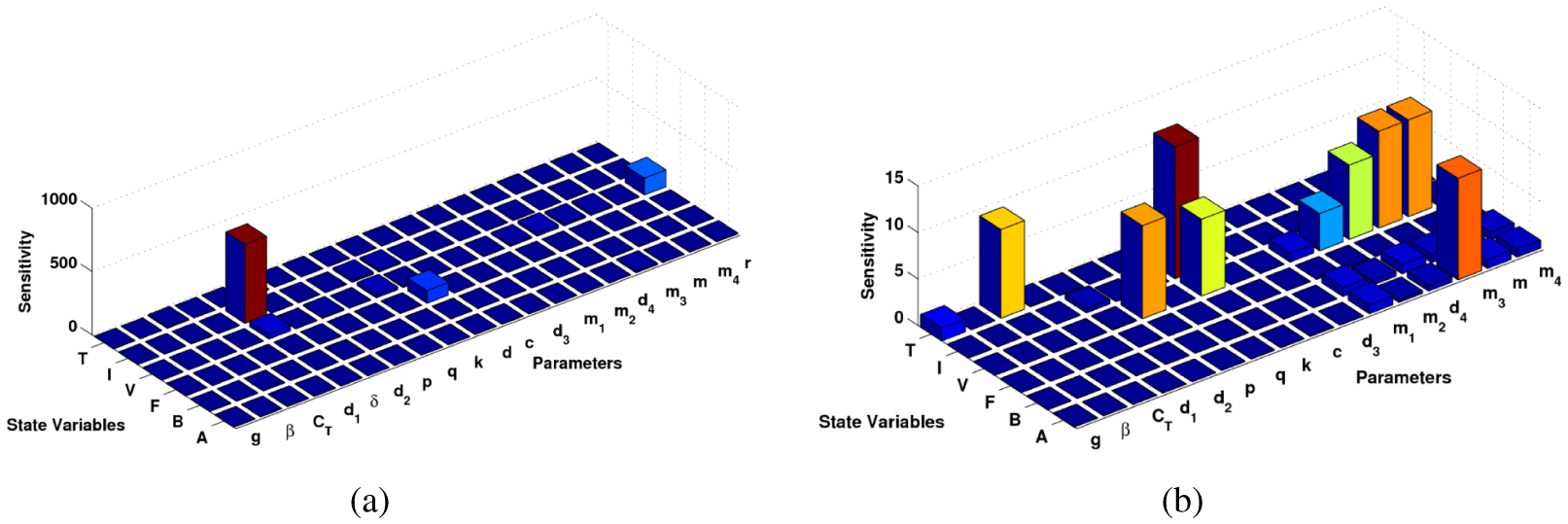
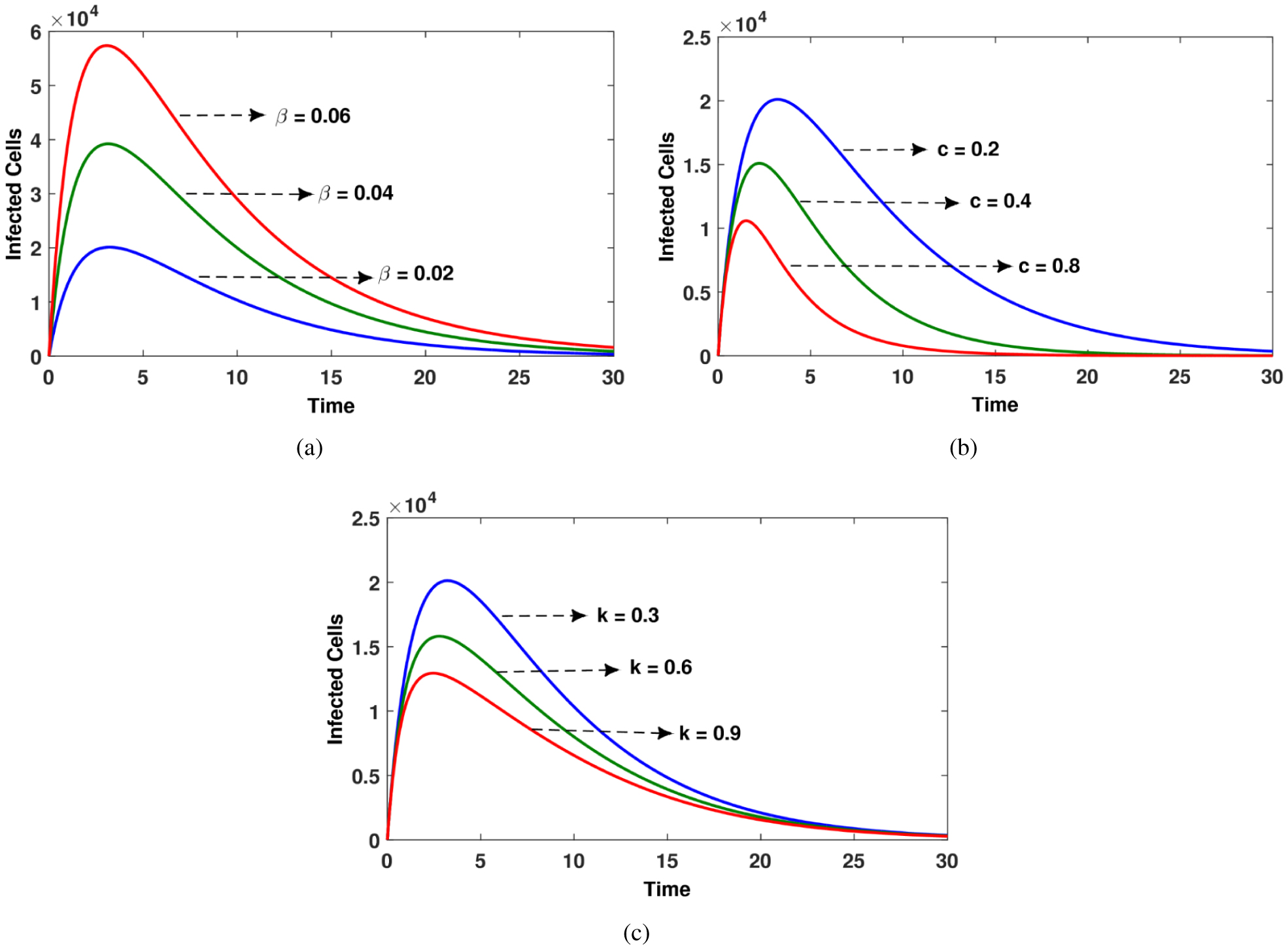
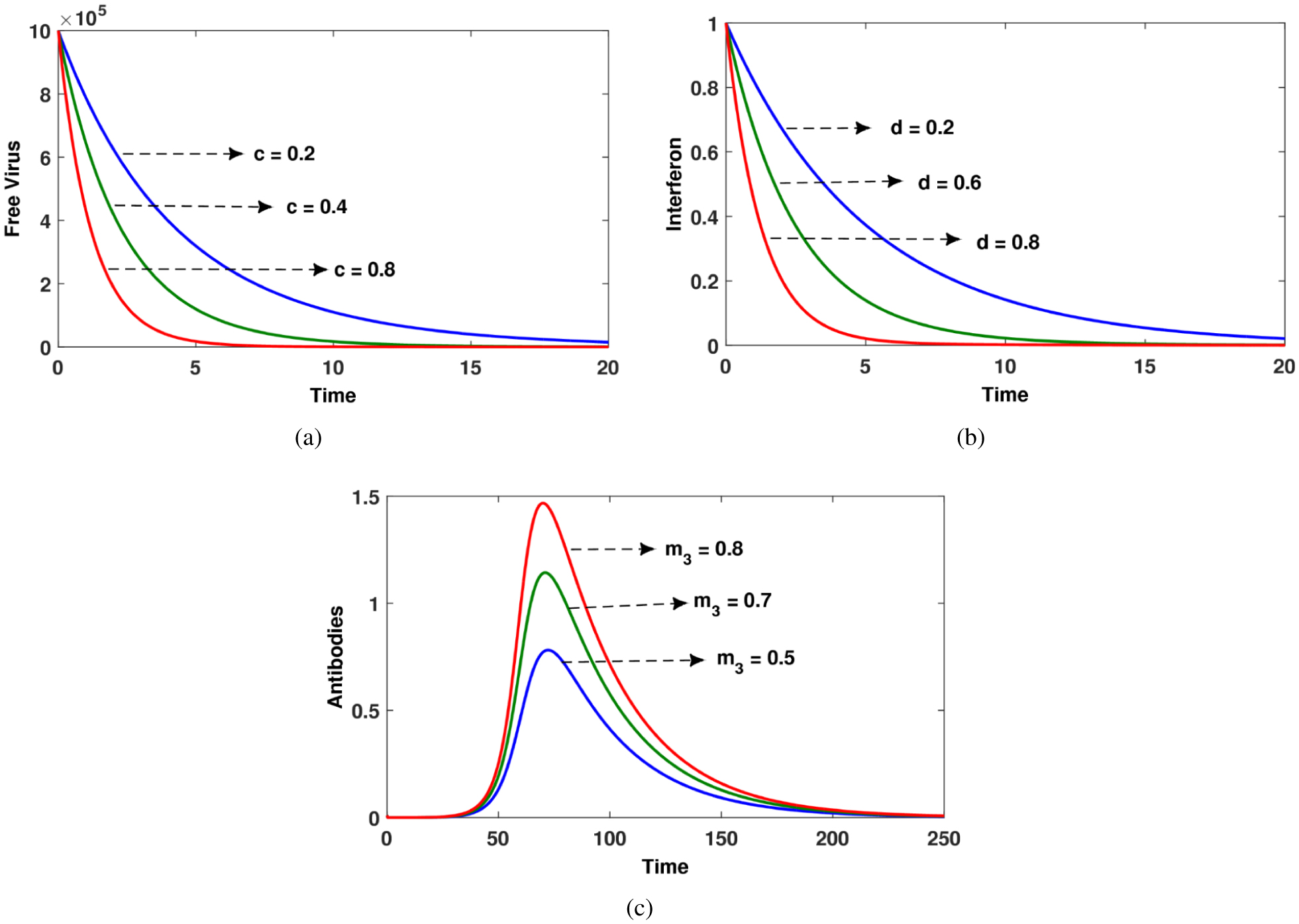
Immuno-epidemiological modeling has been widely studied for understanding disease spread and supporting global control efforts. Mathematical and computational methods are important tools to study interactions between the immune system and infectious diseases. This work presented an extended immuno-epidemiological model that describes the dynamics of the model transmission rates. This study includes some key outputs. First, we calculated the basic reproduction number, R0, which is used to assess disease transmissibility, design control strategies, and evaluate intervention effectiveness. Second, the local sensitivity analysis was numerically evaluated using non-normalization, half normalization, and full normalization techniques between the model states and parameters; it provides an important step forward in identifying the model critical parameters in the spreading of disease. Another model output was calculating the elasticity index between R0 and the model parameters to identify the most critical parameters. Interestingly, numerical results showed the impact of the virus transmission rate, virus clearance rate, killing rate of infected cells, interferon degradation rate, and antibody production rate and discussed some model compartments for different parameter values. The findings help the local and international efforts in suggesting control strategies, optimizing interventions, and guiding public health decisions.
Citation: Sarbaz H. A. Khoshnaw. Parameter analysis of an extended immuno-epidemiological model using sensitivity and elasticity methods[J]. AIMS Bioengineering, 2026, 13(3): 347-365. doi: 10.3934/bioeng.2026017
Immuno-epidemiological modeling has been widely studied for understanding disease spread and supporting global control efforts. Mathematical and computational methods are important tools to study interactions between the immune system and infectious diseases. This work presented an extended immuno-epidemiological model that describes the dynamics of the model transmission rates. This study includes some key outputs. First, we calculated the basic reproduction number, R0, which is used to assess disease transmissibility, design control strategies, and evaluate intervention effectiveness. Second, the local sensitivity analysis was numerically evaluated using non-normalization, half normalization, and full normalization techniques between the model states and parameters; it provides an important step forward in identifying the model critical parameters in the spreading of disease. Another model output was calculating the elasticity index between R0 and the model parameters to identify the most critical parameters. Interestingly, numerical results showed the impact of the virus transmission rate, virus clearance rate, killing rate of infected cells, interferon degradation rate, and antibody production rate and discussed some model compartments for different parameter values. The findings help the local and international efforts in suggesting control strategies, optimizing interventions, and guiding public health decisions.

| [1] |
Gulbudak H, Qu Z, Milner F, et al. (2022) Sensitivity analysis in an immuno-epidemiological vector-host model. Bull Math Biol 84: 27. https://doi.org/10.1007/s11538-021-00979-0 
|
| [2] |
Hamad HJ, Khoshnaw SH, Shahzad M (2024) Model analysis for an HIV infectious disease using elasticity and sensitivity techniques. AIMS Bioeng 11: 281-300. https://doi.org/10.3934/bioeng.2024015
|
| [3] |
Das K, Kumar GR, Reddy KM, et al. (2021) Sensitivity and elasticity analysis of novel corona virus transmission model: a mathematical approach. Sens Int 2: 100088. https://doi.org/10.1016/j.sintl.2021.100088
|
| [4] | Korir EK, Vizi Z (2025) Eigenvector-based sensitivity analysis of contact patterns in epidemic modeling. arXiv preprint arXiv 2025: 2502.20117. https://doi.org/10.48550/arXiv.2502.20117 |
| [5] |
Ghosh S, Banerjee M, Volpert V (2025) An age-distributed immuno-epidemiological model with information-based vaccination decision. Mathematics 14: 162. https://doi.org/10.48550/arXiv.2502.20117
|
| [6] |
Yang J, Jia P, Wang J, et al. (2023) Rich dynamics of a bidirectionally linked immuno-epidemiological model for cholera. J Math Biol 87: 71. https://doi.org/10.1007/s00285-023-02009-0
|
| [7] |
Han Z, Wang Y, Jin Z (2024) Final and peak epidemic sizes of immuno-epidemiological SIR models. DCDS-B 29: 4432-4462. https://doi.org/10.3934/dcdsb.2024049
|
| [8] |
Haile GT, Koya PR, Mosisa Legesse F (2025) Sensitivity analysis of a mathematical model for malaria transmission accounting for infected ignorant humans and relapse dynamics. Front Appl Math Stat 10: 1487291. https://doi.org/10.3389/fams.2024.1487291
|
| [9] |
Aljabali AA, Obeid MA, El-Tanani M, et al. (2024) Precision epidemiology at the nexus of mathematics and nanotechnology: unraveling the dance of viral dynamics. Gene 905: 148174. https://doi.org/10.1016/j.gene.2024.148174
|
| [10] |
Andreu-Vilarroig C, González-Parra G, Villanueva RJ (2025) Mathematical modeling of influenza dynamics: integrating seasonality and gradual waning immunity. Bull Math Biol 87: 75. https://doi.org/10.1007/s11538-025-01454-w
|
| [11] |
Ullah MS, Wang X, Wang J (2026) A cost-sensitive behavioral modeling analysis of the early identification and control of infectious diseases. Bull Math Biol 88: 129. https://doi.org/10.1007/s11538-026-01696-2
|
| [12] | Ullah MS, Kabir KA, Wang J Neural networks and behavioral frameworks to analyse the impact of media and individual awareness for controlling epidemics (2026). https://doi.org/10.1038/s41598-026-50176-z |
| [13] |
Ullah MS, Islam MS, Wang J (2025) Modeling and simulating cholera transmission dynamics with evolutionary game theory. Numer Algebr Control 18: 208-244. https://doi.org/10.3934/naco.2026006
|
| [14] |
El Ouardani H, Ullah MS, El Allali Z, et al. (2026) Evolving behavioral dynamics and environmental risk in cholera epidemics. Math Biosci 2026: 109692. https://doi.org/10.1016/j.mbs.2026.109692
|
| [15] | Hoyer-Leitzel A, Iams SM, Haslam-Hyde AJ, et al. (2023) An immuno-epidemiological model for transient immune protection: a case study for viral respiratory infections. Infect Dis Modell 8: 855-864. https://doi.org/10.1016/j.idm.2023.07.004 |
| [16] |
Lee HY, Topham DJ, Park SY, et al. (2009) Simulation and prediction of the adaptive immune response to influenza A virus infection. J Virol 83: 7151-7165. https://doi.org/10.1128/JVI.00098-09
|
| [17] |
Pawelek KA, Huynh GT, Quinlivan M, et al. (2012) Modeling within-host dynamics of influenza virus infection including immune responses. PLoS Comput Biol 8: e1002588. https://doi.org/10.1371/journal.pcbi.1002588
|
| [18] |
Baccam P, Beauchemin C, Macken CA, et al. (2006) Kinetics of influenza A virus infection in humans. J Virol 80: 7590-7599. https://doi.org/10.1128/JVI.01623-05
|
| [19] |
Saenz RA, Quinlivan M, Elton D, et al. (2010) Dynamics of influenza virus infection and pathology. J Virol 84: 3974-3983. https://doi.org/10.1128/JVI.02078-09
|
| [20] |
Cao P, Yan AW, Heffernan JM, et al. (2015) Innate immunity and the inter-exposure interval determine the dynamics of secondary influenza virus infection and explain observed viral hierarchies. PLoS Comput Biol 11: e1004334. https://doi.org/10.1371/journal.pcbi.1004334
|
| [21] |
Wang S, Hottz P, Schechter M, et al. (2015) Modeling the slow CD4+ T cell decline in HIV-infected individuals. PLoS Comput Biol 11: e1004665. https://doi.org/10.1371/journal.pcbi.1004665
|
| [22] | Martcheva M (2015) An introduction to mathematical epidemiology. Introduction to Epidemic Modeling . New York: Springer 9-31. https://doi.org/10.1007/978-1-4899-7612-3_2 |
| [23] | Mohammed AS, Khoshnaw SH (2023) The impact of vaccination on COVID-19 pandemic in the Kurdistan region of Iraq: a mathematical modelling. Palest J Math 12: 87-106. Available from: https://pjm.ppu.edu/vol/1339 |
| [24] |
Van den Driessche P, Watmough J (2002) Reproduction numbers and sub-threshold endemic equilibria for compartmental models of disease transmission. Math Biosci 180: 29-48. https://doi.org/10.1016/S0025-5564(02)00108-6
|
| [25] | Castillo-Garsow CW, Castillo-Chavez C (2020) A tour of the basic reproductive number and the next generation of researchers. An Introduction to Undergraduate Research in Computational and Mathematical Biology: From Birdsongs to Viscosities . Cham: Springer International Publishing 87-124. https://doi.org/10.1007/978-3-030-33645-5_2 |
| [26] |
Rahman B, Khoshnaw SHA, Agaba GO, et al. (2021) How containment can effectively suppress the outbreak of COVID-19: a mathematical modeling. Axioms 10: 204. https://doi.org/10.3390/axioms10030204
|
| [27] |
Khoshnaw SH, Shahzad M, Ali M, et al. (2020) A quantitative and qualitative analysis of the COVID–19 pandemic model. Chaos Soliton Fract 138: 109932. https://doi.org/10.1016/j.chaos.2020.109932
|
| [28] |
Aldila D, Khoshnaw SH, Safitri E, et al. (2020) A mathematical study on the spread of COVID-19 considering social distancing and rapid assessment: the case of Jakarta, Indonesia. Chaos Soliton Fract 139: 110042. https://doi.org/10.1016/j.chaos.2020.110042
|
| [29] |
Rihan FA (2003) Sensitivity analysis for dynamic systems with time-lags. J Comput Appl Math 151: 445-462. https://doi.org/10.1016/S0377-0427(02)00659-3
|
| [30] |
Nowak MA, May RM (2000) Virus Dynamics: Mathematical Principles of Immunology and Virology. Oxford: Oxford University Press. Available from: https://openlibrary.org/books/OL18158117M/Virus-dynamics
|
| [31] | Murphy K, Weaver C (2022) Janeway's Immunobiology. New York: W.W. Norton & Company. Available from: https://www.vitalsource.com/products/janeway-39-s-immunobiology-tenth-edition-kenneth-m-murphy-casey-v9780393884678 |
| [32] | Abbas AK, Lichtman AH, Pillai S (2023) Cellular and Molecular Immunology. Philadelphia: Elsevier. Available from: https://shop.elsevier.com/books/cellular-and-molecular-immunology/abbas/978-0-443-28358-1 |
| [33] |
Macallan DC, Wallace D, Zhang Y, et al. (2005) B-cell kinetics in humans: rapid turnover of peripheral blood memory B-cells. Blood 105: 3633-3640. https://doi.org/10.1182/blood-2004-09-3740
|
| [34] |
Perelson AS (2002) Modelling viral and immune system dynamics. Nat Rev Immunol 2: 28-36. https://doi.org/10.1038/nri700
|
Figures(8) / Tables(2)

Sarbaz H. A. Khoshnaw. Parameter analysis of an extended immuno-epidemiological model using sensitivity and elasticity methods[J]. AIMS Bioengineering, 2026, 13(3): 347-365. doi: 10.3934/bioeng.2026017





 DownLoad: