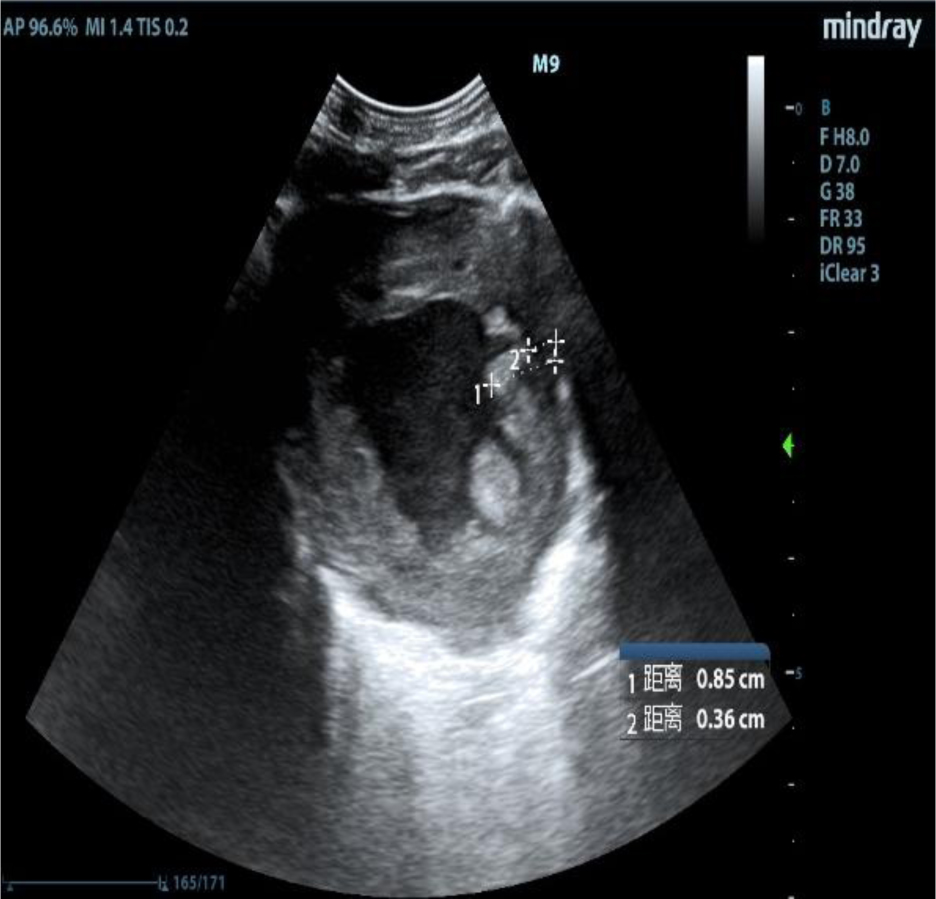
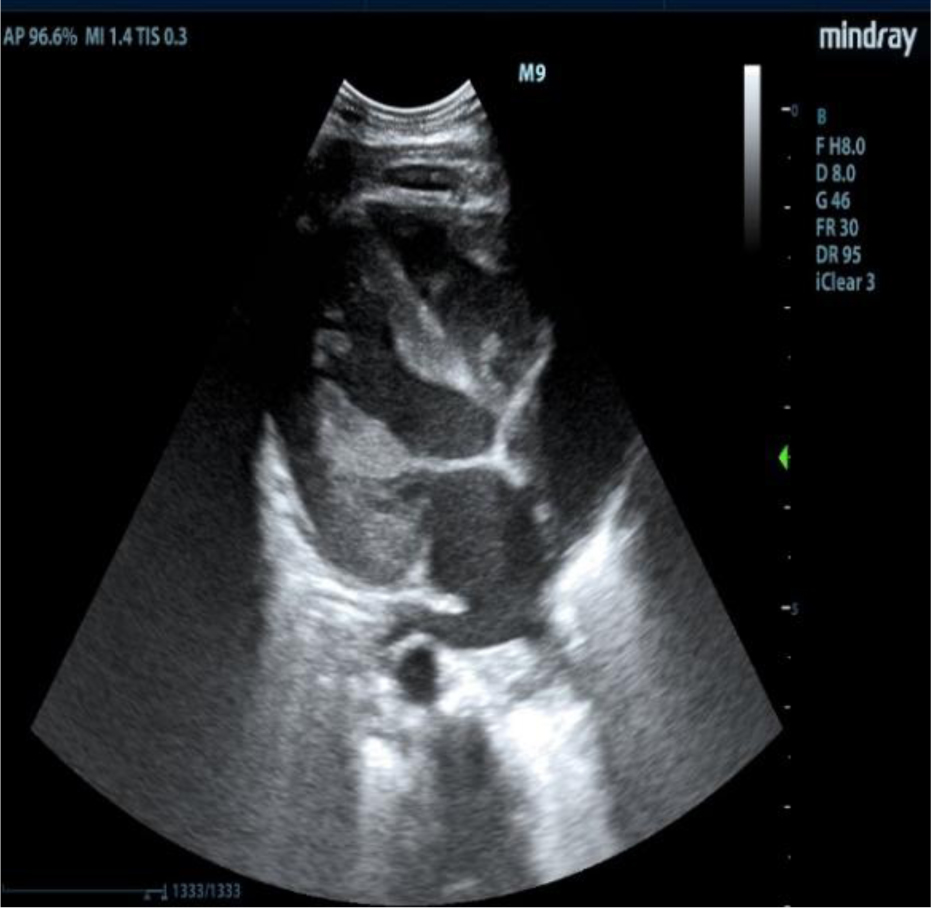
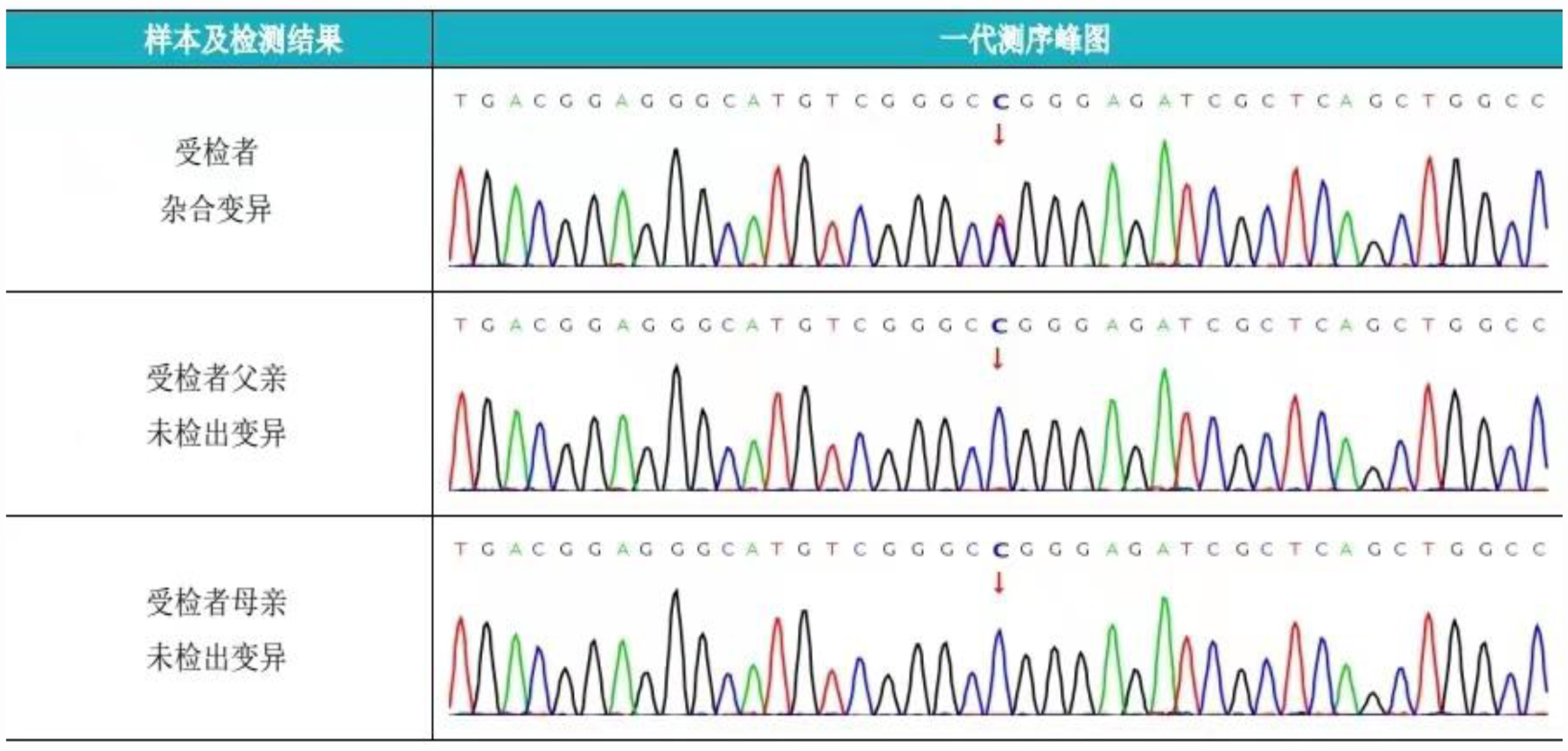
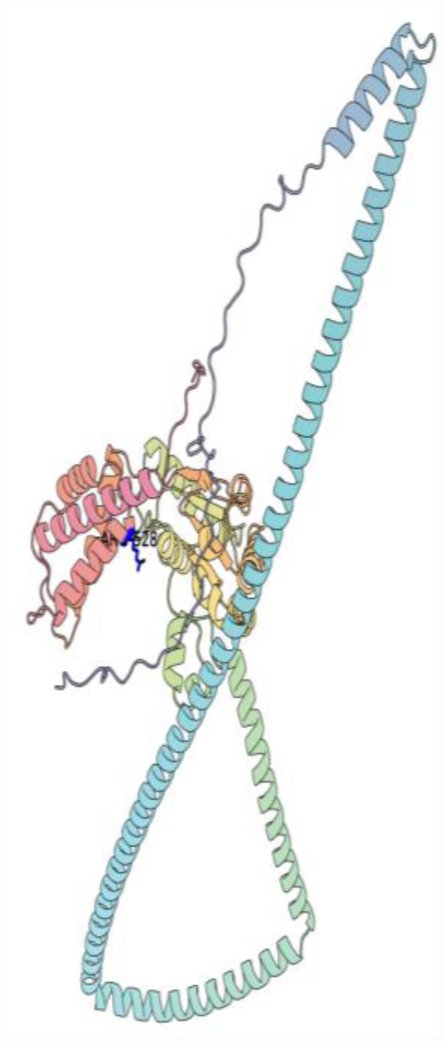
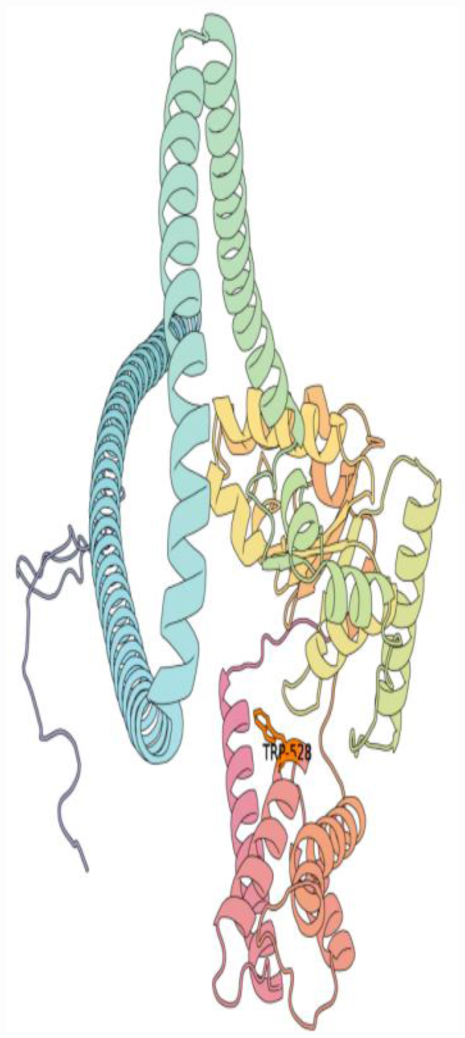
In this study, we reported a rare case of Harel-Yoon syndrome (HAYOS) caused by a mutation in the ATAD3A gene on chromosome 1p36.33. A 34-day-old female infant presented with the chief complaints of “intermittent irritability and poor feeding for 8 days, worsening over the past hour.” Laboratory investigations revealed hyperammonemia and lactic acidosis. Cardiac injury biomarkers and inflammatory markers were elevated. Echocardiography indicated cardiac insufficiency and cardiomyopathy. Both parents were phenotypically normal, non-consanguineous, and had no family history of inherited disorders. Further whole-exome sequencing (including mitochondrial DNA) identified a heterozygous missense variant, c.1582C>T (p.Arg528Trp), in the ATAD3A gene in the proband. This was confirmed to be a de novo variant, leading to a diagnosis of HAYOS. This variant was classified as pathogenic according to the American College of Medical Genetics and Genomics (ACMG) guidelines and constitutes the genetic etiology of HAYOS in this patient. We summarized the clinical characteristics of this case and reviewed the relevant literature. This report expands the known genotype-phenotype spectrum associated with ATAD3A gene variants and enhances clinical recognition and diagnostic capabilities for this rare disorder.
Citation: Xia Huang, Hua Jiang, Hua Ren. A case report of Harel-Yoon syndrome associated with ATAD3A gene variants[J]. AIMS Allergy and Immunology, 2025, 9(3): 180-189. doi: 10.3934/Allergy.2025014
In this study, we reported a rare case of Harel-Yoon syndrome (HAYOS) caused by a mutation in the ATAD3A gene on chromosome 1p36.33. A 34-day-old female infant presented with the chief complaints of “intermittent irritability and poor feeding for 8 days, worsening over the past hour.” Laboratory investigations revealed hyperammonemia and lactic acidosis. Cardiac injury biomarkers and inflammatory markers were elevated. Echocardiography indicated cardiac insufficiency and cardiomyopathy. Both parents were phenotypically normal, non-consanguineous, and had no family history of inherited disorders. Further whole-exome sequencing (including mitochondrial DNA) identified a heterozygous missense variant, c.1582C>T (p.Arg528Trp), in the ATAD3A gene in the proband. This was confirmed to be a de novo variant, leading to a diagnosis of HAYOS. This variant was classified as pathogenic according to the American College of Medical Genetics and Genomics (ACMG) guidelines and constitutes the genetic etiology of HAYOS in this patient. We summarized the clinical characteristics of this case and reviewed the relevant literature. This report expands the known genotype-phenotype spectrum associated with ATAD3A gene variants and enhances clinical recognition and diagnostic capabilities for this rare disorder.

| [1] |
Abdul-Raheem J, Nikkola E, Chen Z, et al. (2024) Expanding the phenotype of Harel-Yoon syndrome: A case report suggesting a genotype/phenotype correlation. Am J Med Genet A 194: e63647. https://doi.org/10.1002/ajmg.a.63647 
|
| [2] |
Zhang S, Lin L, Li Y, et al. (2023) Harel-Yoon syndrome caused by a novel variant in ATAD3A: A case report. Heliyon 10: e23669. https://doi.org/10.1016/j.heliyon.2023.e23669
|
| [3] |
Gorman GS, Schaefer AM, Ng Y, et al. (2015) Prevalence of nuclear and mitochondrial DNA mutations related to adult mitochondrial disease. Ann Neurol 77: 753-759. https://doi.org/10.1002/ana.24362
|
| [4] |
Pareyson Davide, Saveri Paola, Sagnelli Anna, et al. (2015) Mitochondrial dynamics and inherited peripheral nerve diseases. Neurosci Lett 596: 66-77. https://doi.org/10.1016/j.neulet.2015.04.001
|
| [5] |
Cecilia AW Geuijen, Nora Bijl, Renate CM Smit, et al. (2005) A proteomic approach to tumour target identification using phage display, affinity purification and mass spectrometry. Europ J Cancer 41: 178-187. https://doi.org/10.1016/j.ejca.2004.10.008
|
| [6] |
Arguello T, Peralta S, Antonicka H, et al. (2021) ATAD3A has a scaffolding role regulating the mitochondria's inner membrane structure and protein assembly. Cell Rep 37: 110139. https://doi.org/10.1016/j.celrep.2021.110139
|
| [7] |
Chen L, Li Y, Zambidis A, et al. (2023) ATAD3A: A key regulator of mitochondria-associated diseases. Int J Mol Sci 24: 12511. https://doi.org/10.3390/ijms241512511
|
| [8] |
Dong Z, Liao N, Luo Y, et al. (2025) BmATAD3A mediates mitochondrial ribosomal protein expression to maintain the mitochondrial energy metabolism of the silkworm, Bombyx mori. Insect Scir 32: 193-208. https://doi.org/10.1111/1744-7917.13366
|
| [9] |
Fang HY, Chang CL, Hsu SH, et al. (2010) ATPase family AAA domain-containing 3A is a novel anti-apoptotic factor in lung adenocarcinoma cells. J Cell Sci 123: 1171-1180. https://doi.org/10.1242/jcs.062034
|
| [10] |
Gaudó P, de Tomás-Mateo E, Garrido-Pérez N, et al. (2024) ATAD3C regulates ATAD3A assembly and function in the mitochondrial membrane. Free Radic Biol Med 211: 114-126. https://doi.org/10.1016/j.freeradbiomed.2023.12.006
|
| [11] |
Zheng Y, Yu XY, Zhang T, et al. (2023) Clinical phenotype of a pedigree with Harel-Yoon syndrome and analysis of ATAD3A gene variants. J Zhejiang Univ (Med Sci) 52: 738-743. https://doi.org/10.3724/zdxbyxb-2023-0421
|
| [12] |
Desai R, Frazier AE, Durigon R, et al. (2017) ATAD3 gene cluster deletions cause cerebellar dysfunction associated with altered mitochondrial DNA and cholesterol metabolism. Brain 140: 1595-1610. https://doi.org/10.1093/brain/awx094
|
| [13] |
Harel T, Yoon WH, Garone C, et al. (2016) Recurrent de novo and biallelic variation of ATAD3A, encoding a mitochondrial membrane protein, results in distinct neurological syndromes. Am J Hum Genet 99: 831-845. https://doi.org/10.1016/j.ajhg.2016.08.007
|
| [14] |
Frazier AE, Compton AG, Kishita Y, et al. (2021) Fatal perinatal mitochondrial cardiac failure caused by recurrent de novo duplications in the ATAD3 locus. Med 2: 49-73. https://doi.org/10.1016/j.medj.2020.06.004
|
| [15] |
Chen Y, Rong S, Luo H, et al. (2023) Ketogenic diet attenuates refractory epilepsy of Harel-Yoon syndrome with ATAD3A variants: A case report and review of literature. Pediatr Neurol 143: 79-83. https://doi.org/10.1016/j.pediatrneurol.2023.03.003
|
Figures(5)

Xia Huang, Hua Jiang, Hua Ren. A case report of Harel-Yoon syndrome associated with ATAD3A gene variants[J]. AIMS Allergy and Immunology, 2025, 9(3): 180-189. doi: 10.3934/Allergy.2025014





 DownLoad: