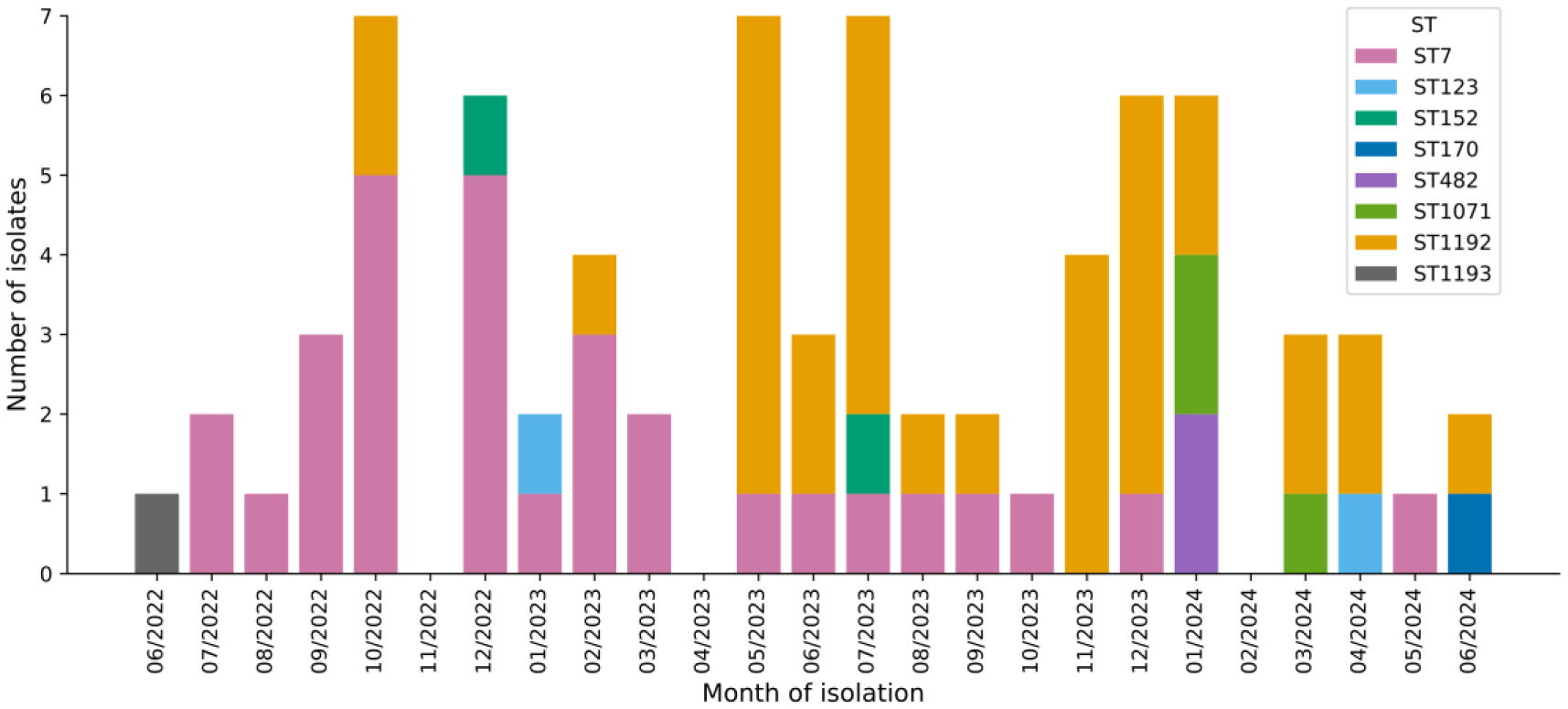
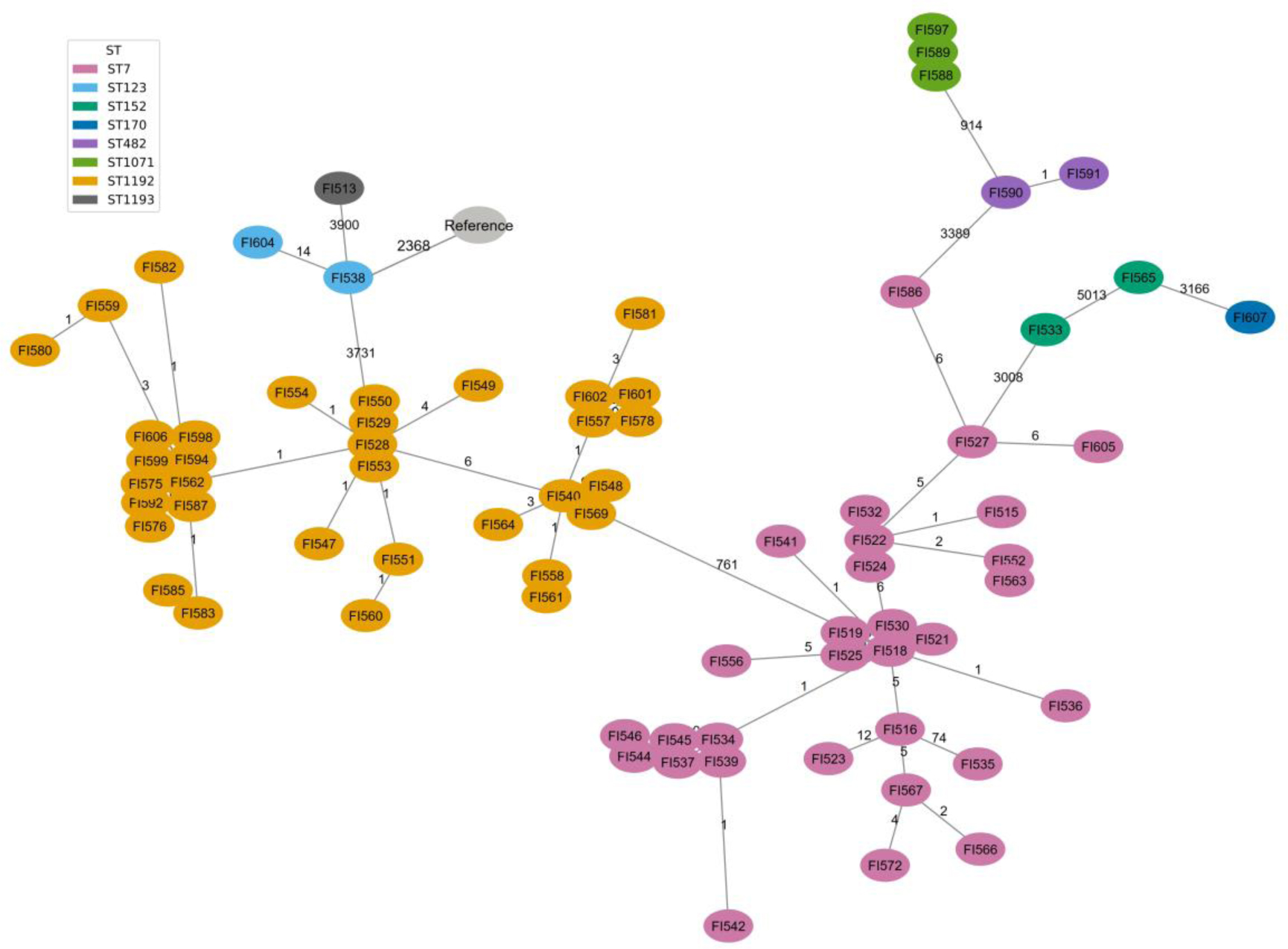
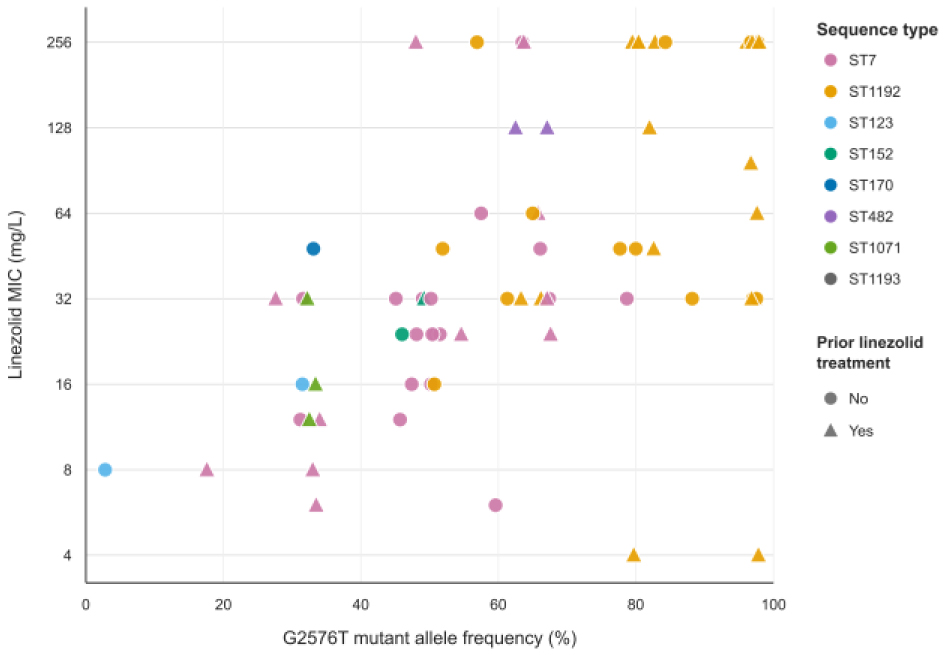
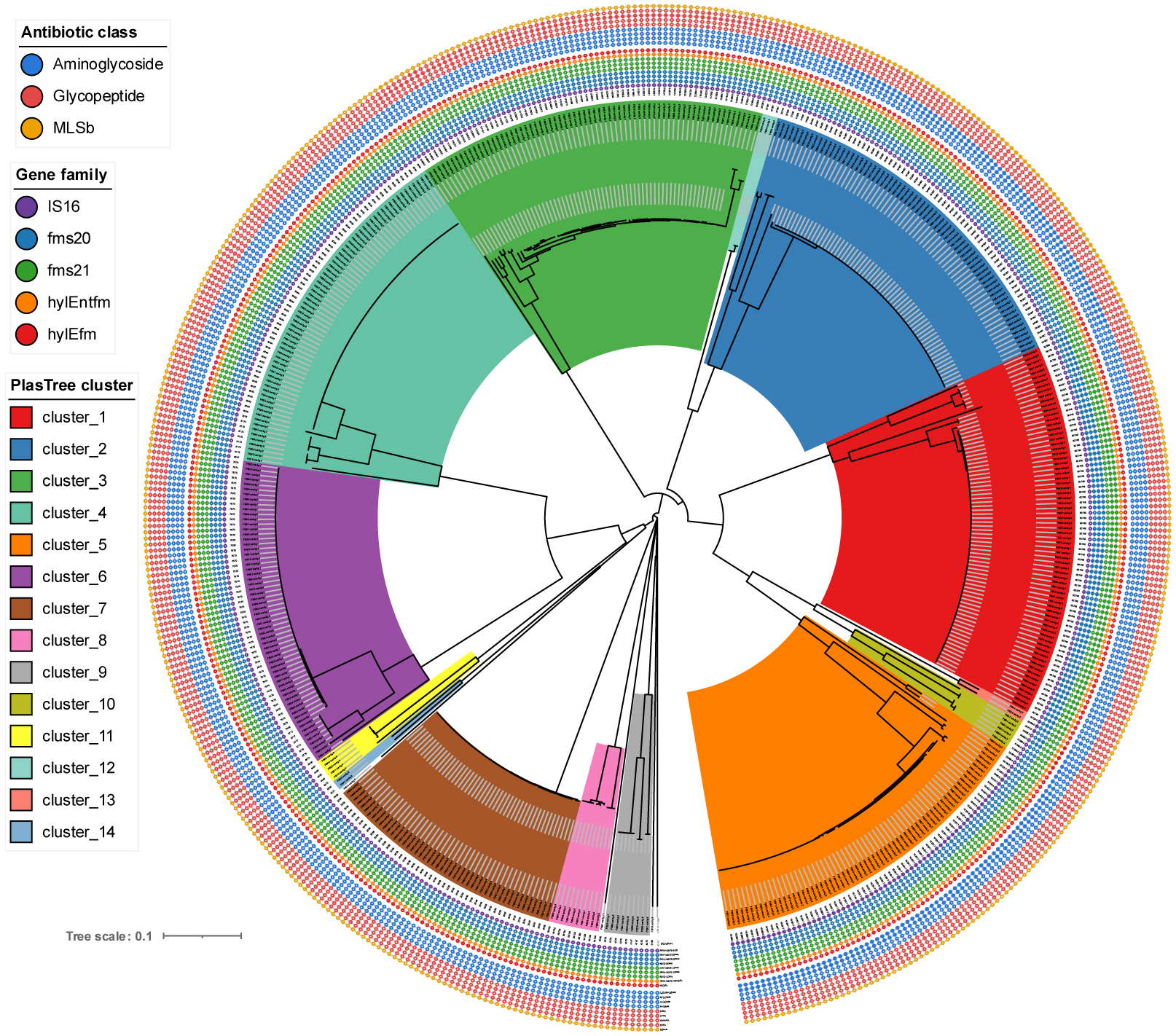
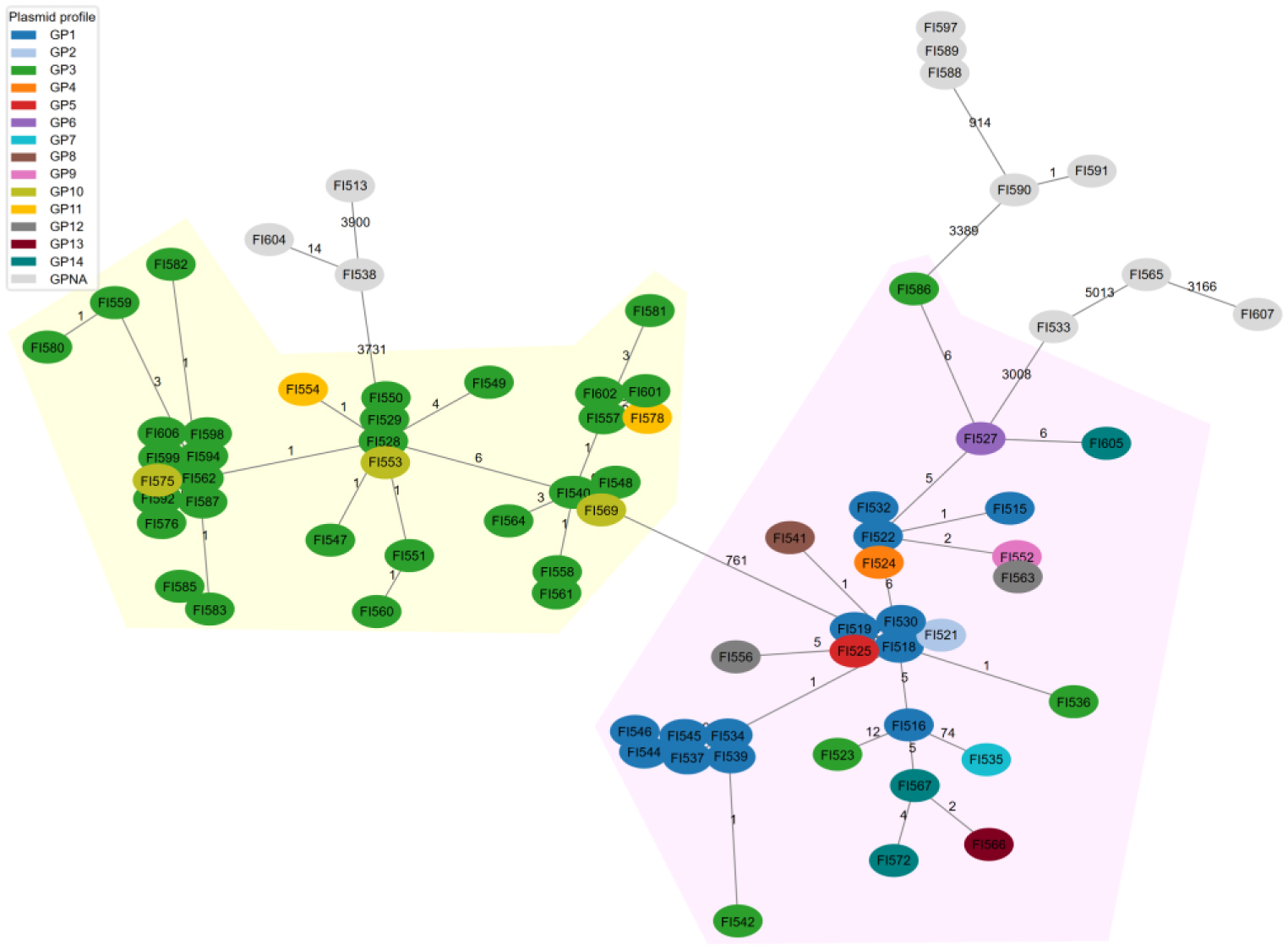
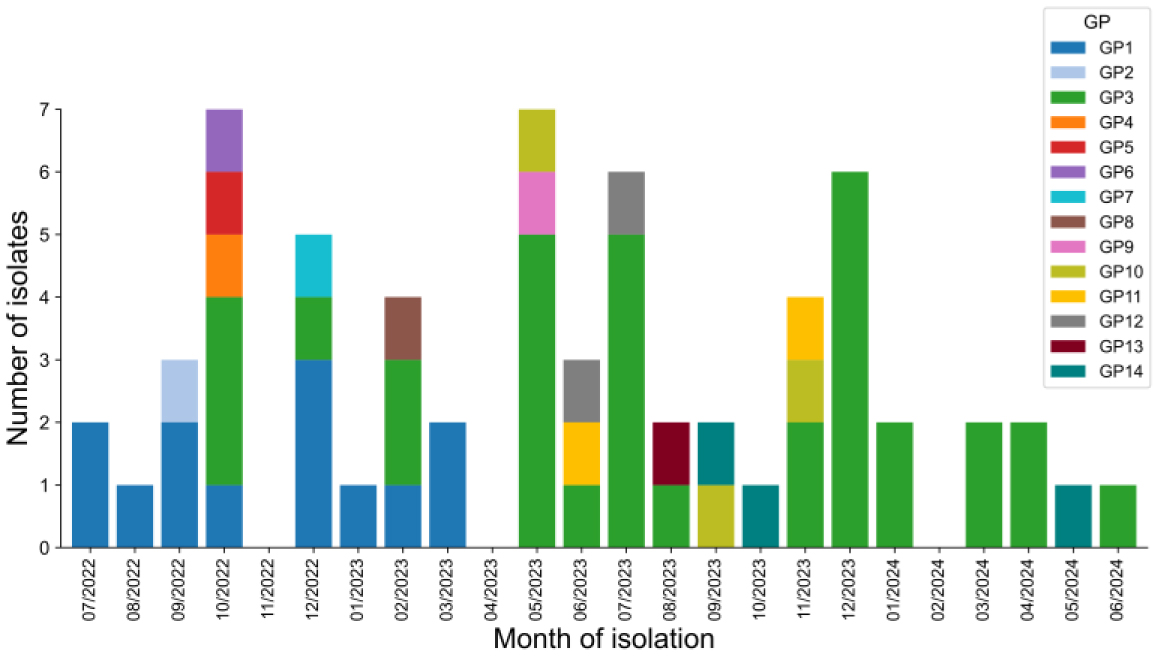
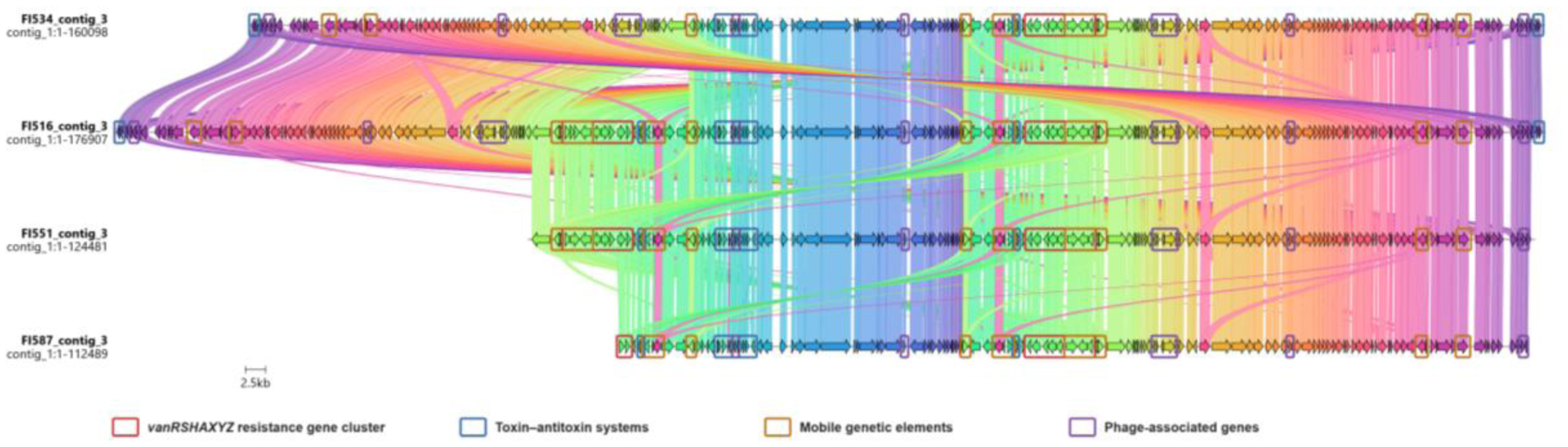
Linezolid-resistant Enterococcus faecium represents an increasing challenge in healthcare settings. We characterized 75 isolates initially identified as linezolid resistant from 64 patients at a Czech tertiary-care hospital between June 2022 and June 2024 using Oxford Nanopore whole-genome sequencing, genomic typing, core-genome SNV analysis, and plasmid reconstruction. Eight sequence types were identified, dominated by ST1192 (45.3%) and ST7 (40.0%). ST1192 formed a highly homogeneous cluster (0–6 SNVs), whereas ST7 showed greater overall diversity (0–74 SNVs), although most ST7 isolates remained closely related (median pairwise distance: 1 SNV). Confirmatory linezolid MICs ranged from 4 to 256 mg/L; 73 isolates were resistant and 2 were susceptible according to EUCAST breakpoints. All isolates carried the 23S rRNA G2576T mutation, while no acquired linezolid-resistance genes were detected. ST1192 isolates had significantly higher linezolid MICs and G2576T mutant allele frequencies than ST7 isolates. Five plasmid clusters carried antimicrobial resistance or putative virulence determinants, including a widely distributed pELF-like plasmid harboring the vanA resistance gene cluster. This plasmid was highly prevalent across both dominant lineages but exhibited structural variation associated with partial or complete duplications. These findings demonstrate prolonged circulation of two predominant G2576T-positive lineages and a broadly conserved plasmid repertoire, highlighting the value of long-read sequencing for integrated surveillance of chromosomal resistance and plasmid architecture in hospital-associated E. faecium.
Citation: Holubova Ema, Jakubickova Marketa, Bezdicek Matej, Bitusikova Viktoria, Vitkova Helena, Kocmanova Iva, Vitkova Ivana, Kubackova Petra, Kabut Tomas, Weinbergerova Barbora, Hodova Silvie, Zdrazilova-Dubska Lenka, Lengerova Martina. Genomic epidemiology and plasmid architecture of linezolid-resistant Enterococcus faecium in a Czech tertiary-care hospital[J]. AIMS Microbiology, 2026, 12(4): 815-839. doi: 10.3934/microbiol.2026035
Linezolid-resistant Enterococcus faecium represents an increasing challenge in healthcare settings. We characterized 75 isolates initially identified as linezolid resistant from 64 patients at a Czech tertiary-care hospital between June 2022 and June 2024 using Oxford Nanopore whole-genome sequencing, genomic typing, core-genome SNV analysis, and plasmid reconstruction. Eight sequence types were identified, dominated by ST1192 (45.3%) and ST7 (40.0%). ST1192 formed a highly homogeneous cluster (0–6 SNVs), whereas ST7 showed greater overall diversity (0–74 SNVs), although most ST7 isolates remained closely related (median pairwise distance: 1 SNV). Confirmatory linezolid MICs ranged from 4 to 256 mg/L; 73 isolates were resistant and 2 were susceptible according to EUCAST breakpoints. All isolates carried the 23S rRNA G2576T mutation, while no acquired linezolid-resistance genes were detected. ST1192 isolates had significantly higher linezolid MICs and G2576T mutant allele frequencies than ST7 isolates. Five plasmid clusters carried antimicrobial resistance or putative virulence determinants, including a widely distributed pELF-like plasmid harboring the vanA resistance gene cluster. This plasmid was highly prevalent across both dominant lineages but exhibited structural variation associated with partial or complete duplications. These findings demonstrate prolonged circulation of two predominant G2576T-positive lineages and a broadly conserved plasmid repertoire, highlighting the value of long-read sequencing for integrated surveillance of chromosomal resistance and plasmid architecture in hospital-associated E. faecium.

This study was supported by Czech Health Research Council (Grant No. NW24-09-00126); Ministry of Health, Czech Republic—conceptual development of research organization (FNBr, 65269705); and Masaryk University (MUNI/A/1733/2025).
This study used bacterial isolates obtained during routine clinical microbiology diagnostics at University Hospital Brno. The Ethics Committee of University Hospital Brno did not require ethical approval because the study involved only microbial cultures collected during routine diagnostics and pseudonymized data without any direct patient identifiers.
Assembled genome sequences and reconstructed plasmid sequences for all study isolates, with consistent isolate identifiers and corresponding linezolid MIC values, are available from Zenodo at
The authors declare that the research was conducted in the absence of any commercial or financial relationships that could be construed as a potential conflict of interest.
H. E.: Writing—original draft, Formal analysis, Conceptualization, Investigation, Methodology. J. M.: Software, Writing—original draft, Formal analysis, Visualization, Data curation, Validation. B. M.: Methodology, Writing—review & editing, Investigation. B. V.: Writing—review & editing, Methodology, Investigation. V. H.: visualization, Software, Data curation, Writing—review & editing. K. I.: Methodology, Writing—review & editing, Resources. V. I.: Resources, Writing—review & editing, Methodology. K. P.: Resources, Writing—review & editing, Methodology; K. T.: Methodology, Writing—review & editing, Resources. W. B.: Methodology, Writing—review & editing, Resources. H.S.: Methodology, Writing—review & editing, Resources. Z. D. L.: Resources, Writing—review & editing, Funding acquisition. L. M.: Investigation, Validation, Writing—review & editing, Resources, Funding acquisition, Writing—original draft, Project administration.
| [1] |
Fisher K, Phillips C (2009) The ecology, epidemiology and virulence of Enterococcus. Microbiol 155: 1749-1757. https://doi.org/10.1099/mic.0.026385-0 
|
| [2] |
Phyo Thu W, Sinwat N, Chuanchuen R (2018) Plasmid profile of Enterococcus faecium and Enterococcus faecalis isolated from pigs, pork and humans in Thai-Laos border provinces. Thai J Vet Med 48: 623-630. https://doi.org/10.56808/2985-1130.2954
|
| [3] |
Arredondo-Alonso S, Top J, McNally A, et al. (2020) Plasmids shaped the recent emergence of the major nosocomial pathogen Enterococcus faecium. mBio 11: e03284-19. https://doi.org/10.1128/mbio.03284-19
|
| [4] |
Hashimoto Y, Suzuki M, Kobayashi S, et al. (2023) Enterococcal linear plasmids adapt to Enterococcus faecium and spread within multidrug-resistant clades. Antimicrob Agents Chemother 67: e01619-22. https://doi.org/10.1128/aac.01619-22
|
| [5] |
Wei Y, Palacios Araya D, Palmer KL (2024) Enterococcus faecium: Evolution, adaptation, pathogenesis and emerging therapeutics. Nat Rev Microbiol 22: 705-721. https://doi.org/10.1038/s41579-024-01058-6
|
| [6] |
Mališová L, Jakubů V, Pomorská K, et al. (2021) Spread of linezolid-resistant Enterococcus spp. in human clinical isolates in the Czech Republic. Antibiotics 10: 219. https://doi.org/10.3390/antibiotics10020219
|
| [7] |
Long KS, Vester B (2012) Resistance to linezolid caused by modifications at its binding site on the ribosome. Antimicrob Agents Chemother 56: 603-612. https://doi.org/10.1128/aac.05702-11
|
| [8] |
Wang Y, Lv Y, Cai J, et al. (2015) A novel gene, optrA, that confers transferable resistance to oxazolidinones and phenicols and its presence in Enterococcus faecalis and Enterococcus faecium of human and animal origin. J Antimicrob Chemother 70: 2182-2190. https://doi.org/10.1093/jac/dkv116
|
| [9] |
Egan SA, Shore AC, O'Connell B, et al. (2020) Linezolid resistance in Enterococcus faecium and Enterococcus faecalis from hospitalized patients in Ireland: high prevalence of the MDR genes optrA and poxtA in isolates with diverse genetic backgrounds. J Antimicrob Chemother 75: 1704-1711. https://doi.org/10.1093/jac/dkaa075
|
| [10] |
Li H (2018) Minimap2: Pairwise alignment for nucleotide sequences. Bioinformatics 34: 3094-3100. https://doi.org/10.1093/bioinformatics/bty191
|
| [11] |
Wick RR, Howden BP, Stinear TP (2025) Autocycler: Long-read consensus assembly for bacterial genomes. Bioinformatics 41: btaf474. https://doi.org/10.1093/bioinformatics/btaf474
|
| [12] |
Kolmogorov M, Yuan J, Lin Y, et al. (2019) Assembly of long, error-prone reads using repeat graphs. Nat Biotechnol 37: 540-546. https://doi.org/10.1038/s41587-019-0072-8
|
| [13] |
Li H (2016) Minimap and miniasm: Fast mapping and de novo assembly for noisy long sequences. Bioinformatics 32: 2103-2110. https://doi.org/10.1093/bioinformatics/btw152
|
| [14] |
Vaser R, Sikic M (2021) Time- and memory-efficient genome assembly with Raven. Nat Comput Sci 1: 332-336. https://doi.org/10.1038/s43588-021-00073-4
|
| [15] |
Homan WL, Tribe D, Poznanski S, et al. (2002) Multilocus sequence typing scheme for Enterococcus faecium. J Clin Microbiol 40: 1963-1971. https://doi.org/10.1128/JCM.40.6.1963-1971.2002
|
| [16] |
Bezdicek M, Hanslikova J, Nykrynova M, et al. (2023) New multilocus sequence typing scheme for Enterococcus faecium based on whole genome sequencing data. Microbiol Spectr 11: e05107-22. https://doi.org/10.1128/spectrum.05107-22
|
| [17] | Seemann T Snippy: Rapid haploid variant calling and core genome alignment. GitHub . Available from: https://github.com/tseemann/snippy |
| [18] |
Kruskal JB (1956) On the shortest spanning subtree of a graph and the traveling salesman problem. Proc Am Math Soc 7: 48-50. https://doi.org/10.1090/S0002-9939-1956-0078686-7
|
| [19] |
Shannon P, Markiel A, Ozier O, et al. (2003) Cytoscape: A software environment for integrated models of biomolecular interaction networks. Genome Res 13: 2498-2504. https://doi.org/10.1101/gr.1239303
|
| [20] | Florensa AF, Kaas RS, Clausen PTLC, et al. (2022) ResFinder—an open online resource for identification of antimicrobial resistance genes in next-generation sequencing data and prediction of phenotypes from genotypes. Microb Genom 8: 000748. https://doi.org/10.1099/mgen.0.000748 |
| [21] |
Joensen KG, Scheutz F, Lund O, et al. (2014) Real-time whole-genome sequencing for routine typing, surveillance, and outbreak detection of verotoxigenic Escherichia coli. J Clin Microbiol 52: 1501-1510. https://doi.org/10.1128/JCM.03617-13
|
| [22] |
Hasman H, Clausen PTLC, Kaya H, et al. (2019) LRE-Finder, a Web tool for detection of the 23S rRNA mutations and the optrA, cfr, cfr(B) and poxtA genes encoding linezolid resistance in enterococci from whole-genome sequences. J Antimicrob Chemother 74: 1473-1476. https://doi.org/10.1093/jac/dkz092
|
| [23] |
Camacho C, Coulouris G, Avagyan V, et al. (2009) BLAST+: Architecture and applications. BMC Bioinformatics 10: 421. https://doi.org/10.1186/1471-2105-10-421
|
| [24] |
Qin X, Galloway-Pena JR, Sillanpaa J, et al. (2012) Complete genome sequence of Enterococcus faecium strain TX16 and comparative genomic analysis of Enterococcus faecium genomes. BMC Microbiol 12: 135. https://doi.org/10.1186/1471-2180-12-135
|
| [25] | BioSys-BUT.PlasTree. GitHub (2026) . Available from: https://github.com/BioSys-BUT/PlasTree |
| [26] | Schwengers O, Jelonek L, Dieckmann MA, et al. (2021) Bakta: Rapid and standardized genome annotation for bacteria. Microb Genom 7: 000685. https://doi.org/10.1099/mgen.0.000685 |
| [27] |
Tonkin-Hill G, MacAlasdair N, Ruis C, et al. (2020) Producing polished prokaryotic pangenomes with the Panaroo pipeline. Genome Biol 21: 180. https://doi.org/10.1186/s13059-020-02090-4
|
| [28] | Robertson J, Nash JHE (2018) MOB-suite: Software tools for clustering, reconstruction and typing of plasmids from draft assemblies. Microb Genom 4: e000206. https://doi.org/10.1099/mgen.0.000206 |
| [29] |
Arthur M, Molinas C, Depardieu F, et al. (1993) Characterization of Tn1546, a Tn3-related transposon conferring glycopeptide resistance by synthesis of depsipeptide peptidoglycan precursors in Enterococcus faecium BM4147. J Bacteriol 175: 117-127. https://doi.org/10.1128/jb.175.1.117-127.1993
|
| [30] |
Siguier P, Perochon J, Lestrade L, et al. (2006) ISfinder: The reference centre for bacterial insertion sequences. Nucleic Acids Res 34: D32-D36. https://doi.org/10.1093/nar/gkj014
|
| [31] |
Raven KE, Gouliouris T, Brodrick H, et al. (2017) Complex routes of nosocomial vancomycin-resistant Enterococcus faecium transmission revealed by genome sequencing. Clin Infect Dis 64: 886-893. https://doi.org/10.1093/cid/ciw872
|
| [32] |
van Hal SJ, Willems RJL, Gouliouris T, et al. (2021) The global dissemination of hospital clones of Enterococcus faecium. Genome Med 13: 52. https://doi.org/10.1186/s13073-021-00868-0
|
| [33] |
Segawa T, Masuda K, Hisatsune J, et al. (2024) Genomic analysis of inter-hospital transmission of vancomycin-resistant Enterococcus faecium sequence type 80 isolated during an outbreak in Hiroshima, Japan. Antimicrob Agents Chemother 68: e01716-23. https://doi.org/10.1128/aac.01716-23
|
| [34] |
Schnitzler P, Schulz K, Lampson C, et al. (2011) Molecular analysis of linezolid resistance in clinical Enterococcus faecium isolates by polymerase chain reaction and pyrosequencing. Eur J Clin Microbiol Infect Dis 30: 121-125. https://doi.org/10.1007/s10096-010-1046-4
|
| [35] |
Bender JK, Fleige C, Funk F, et al. (2024) Linezolid resistance genes and mutations among linezolid-susceptible Enterococcus spp.—A loose cannon?. Antibiotics 13: 101. https://doi.org/10.3390/antibiotics13010101
|
| [36] |
Marshall SH, Donskey CJ, Hutton-Thomas R, et al. (2002) Gene dosage and linezolid resistance in Enterococcus faecium and Enterococcus faecalis. Antimicrob Agents Chemother 46: 3334-3336. https://doi.org/10.1128/AAC.46.10.3334-3336.2002
|
| [37] |
Wang Z, Liu D, Zhang J, et al. (2024) Genomic epidemiology reveals multiple mechanisms of linezolid resistance in clinical enterococci in China. Ann Clin Microbiol Antimicrob 23: 41. https://doi.org/10.1186/s12941-024-00689-0
|
| [38] |
Shen W, Cai C, Dong N, et al. (2024) Mapping the widespread distribution and transmission dynamics of linezolid resistance in humans, animals, and the environment. Microbiome 12: 52. https://doi.org/10.1186/s40168-023-01744-2
|
| [39] |
Hashimoto Y, Dao DT, Kasuga I, et al. (2025) Ongoing independent evolution of linezolid and vancomycin-resistance pELF-type linear plasmids across the One Health spectrum. Antimicrob Agents Chemother 69: e01168-25. https://doi.org/10.1128/aac.01168-25
|
| [40] |
Brajerova M, Nyc O, Drevinek P, et al. (2025) Genomic insights into the spread of vancomycin- and tigecycline-resistant Enterococcus faecium ST117. Ann Clin Microbiol Antimicrob 24: 36. https://doi.org/10.1186/s12941-025-00806-7
|
| [41] |
Islam M, Sharon B, Abaragu A, et al. (2023) Vancomycin resistance in Enterococcus faecium from the Dallas, Texas, area is conferred predominantly on pRUM-like plasmids. mSphere 8: e00024-23. https://doi.org/10.1128/msphere.00024-23
|
| [42] |
Kim DS, Singh KV, Nallapareddy SR, et al. (2010) The fms21 (pilA)-fms20 locus encoding one of four distinct pili of Enterococcus faecium is harboured on a large transferable plasmid associated with gut colonization and virulence. J Med Microbiol 59: 505-507. https://doi.org/10.1099/jmm.0.016238-0
|
 microbiol-12-04-035-s001.zip |
 |
Figures(8) / Tables(5)

Holubova Ema, Jakubickova Marketa, Bezdicek Matej, Bitusikova Viktoria, Vitkova Helena, Kocmanova Iva, Vitkova Ivana, Kubackova Petra, Kabut Tomas, Weinbergerova Barbora, Hodova Silvie, Zdrazilova-Dubska Lenka, Lengerova Martina. Genomic epidemiology and plasmid architecture of linezolid-resistant Enterococcus faecium in a Czech tertiary-care hospital[J]. AIMS Microbiology, 2026, 12(4): 815-839. doi: 10.3934/microbiol.2026035





 DownLoad: